
Most Powerful Shakti Peeth in India

Introduction

The holy landscape of India is home to ancient temples of the divine feminine. Among these, the Shakti Peeths occupy a specially revered position in Hindu mythology. The question that devotees ask is: What is the Most Powerful Shakti Peeth in India?

Although each of the Shakti Peeths is a powerhouse of spiritual energy, the Kamakhya Temple in Assam is especially famous as one of the most powerful shrines of Shakti in the country.

In this comprehensive guide, you will learn the truth about the Most Powerful Shakti Peeth in India, the spiritual significance of the Kamakhya Temple, and why this place continues to evoke such intense devotion.


What Is a Shakti Peeth?

To comprehend the Most Powerful Shakti Peeth in India, we have to comprehend what Shakti Peeths are.

Hindu mythology states that when Goddess Sati died, Lord Shiva carried her body across the universe. To re-establish balance in the universe, Lord Vishnu sliced her body into pieces using his Sudarshan Chakra. Wherever the pieces of her body fell, temples were built, and they were named Shakti Peeths.

Spiritual Significance of Shakti Peeths

  • Forms of Adi Shakti
  • Hubs of feminine divine power
  • Historical sites for spiritual journeying
  • Places of profound tantric and devotional practices
  • Open doors to spiritual awakening

Since every Peeth is home to a different body part of the Goddess, some Peeths are believed to emit extremely powerful spiritual energies.


Most Powerful Shakti Peeth in India: Kamakhya Temple

When talking about the Most Powerful Shakti Peeth in India, Kamakhya Temple always tops the list.

Located on Nilachal Hill in Guwahati, Assam, Kamakhya is more than a temple—it is a living powerhouse of Shakti. What makes it so special is the fact that the temple does not house an idol. Instead, the devotees worship a rock formation that represents the yoni of Goddess Sati.

👉 Internal Link: /nilachal-hill-height-location/


Why Kamakhya Temple Is the Most Powerful

There are a number of very powerful reasons why Kamakhya Temple stands out from among many other Shakti Peeths:

  • It is one of the oldest Shakti Peeths that has been in continuous worship
  • It has a strong historical link with Tantra
  • There is a natural spring present
  • It has a unique fertility symbolism
  • It has a huge festival every year
  • It is the place where the yoni of Sati fell

Because of these factors, many spiritual practitioners strongly believe that it is the Most Powerful Shakti Peeth in India.


Spiritual Significance of Kamakhya Temple

The spiritual significance of Kamakhya Temple is its unique representation of the creative power of the universe.

While most temples are dedicated to the representation of gods and goddesses, Kamakhya Temple is one of the few that is dedicated to the representation of the power of creation itself. The temple’s inner sanctum contains a naturally damp rock crevice that represents the Goddess’s womb.

Core Symbolism of the Temple

  • Origin of life
  • Feminine cosmic power
  • Fertility and regeneration
  • Balance of creation and destruction
  • Sacred feminine consciousness

This is the deeper symbolism that gives the spiritual significance of Kamakhya Temple such profound meaning to its followers and spiritual seekers alike.


Kamakhya Temple and Tantra Tradition

There is another important reason why Kamakhya Temple is commonly known as the Most Powerful Shakti Peeth in India, which is its strong tantric tradition.

For many centuries now, Kamakhya Temple has been:

  • A place of tantric knowledge
  • A meeting ground for mystics
  • A location for clandestine spiritual rituals
  • A tantric hub of Shakti sadhana

Even to this day, tantrics from all over India come to Kamakhya in search of deeper spiritual experiences.

👉 Internal Link: /kamakhya-temple-significance/


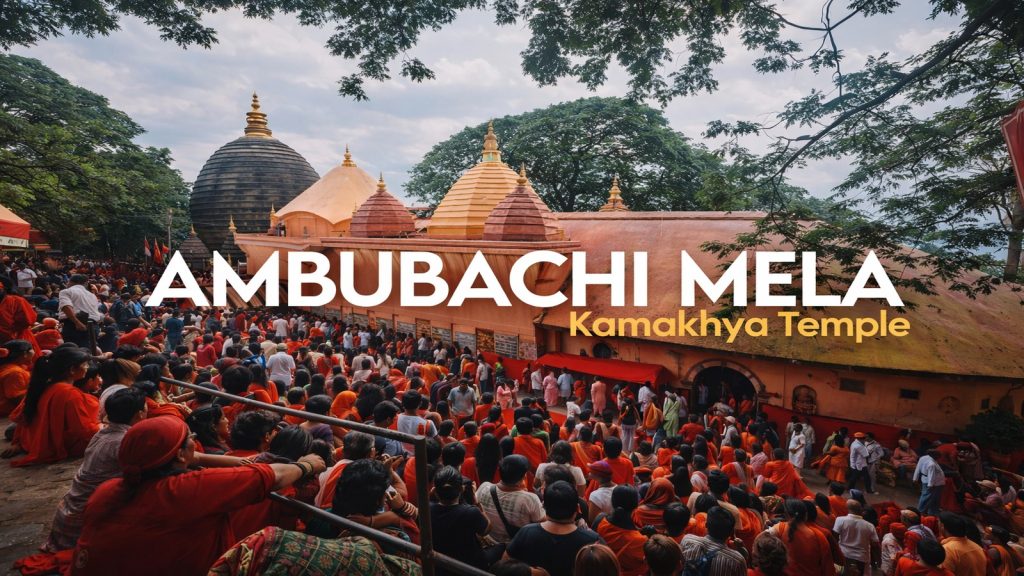
Ambubachi Mela: The Festival That Defines Kamakhya

The religious significance of Kamakhya Temple is best observed during the popular Ambubachi Mela festival.

The Ambubachi Mela festival is a celebration of the supposed menstruation cycle of Goddess Kamakhya, which is a phenomenon that occurs very rarely in mainstream temple practices.

Important Points of Ambubachi Mela

  • Temple is closed for three days
  • Represents the fertility cycle of the Goddess
  • Temple sanctum is reopened with elaborate rituals
  • Lakhs of devotees assemble in Guwahati
  • Believed to be a highly charged spiritual event

This unapologetic celebration of female physiology is one of the factors that make Kamakhya the Most Powerful Shakti Peeth in India.

👉 Outbound Authority Link:
Assam Tourism Official Website: https://tourism.assam.gov.in


Comparison: Other Powerful Shakti Peeths in India

Though Kamakhya is referred to as the Most Powerful Shakti Peeth in India, there are other Peeths that are also of immense significance.

Important Shakti Peeths That You Should Know

  • Kalighat Temple, West Bengal
  • Tarapith Temple, West Bengal
  • Jwala Devi Temple, Himachal Pradesh
  • Naina Devi Temple, Himachal Pradesh
  • Hinglaj Mata (of historical importance)

However, Kamakhya’s tantric significance and the distinct manner in which it is worshiped make it a unique entity in its own right.


Best Time to Visit the Most Powerful Shakti Peeth in India

Timing your visit wisely can greatly enhance your experience.

Best Visiting Months

  • October to March – optimal weather
  • April to June – warm but bearable
  • Monsoon – lush and green but crowded

Best Visiting Months for a Deep Spiritual Experience

  • Ambubachi Mela only if you are ready for the most massive crowds.

Travel Tips to Enhance Your Pilgrimage Experience

If you are visiting Kamakhya for the first time, you should keep the following tips in mind:

  • Arrive early in the morning
  • Dress modestly and comfortably
  • Adhere to temple customs strictly
  • Bring water in summer months
  • Be mindful of photography restrictions within the temple

FAQ Section

Which is the Most Powerful Shakti Peeth in India?

Kamakhya Temple in Assam is known as the Most Powerful Shakti Peeth in India because of its tantric importance and mythological background.

Why is Kamakhya Temple spiritually important?

The spiritual significance of Kamakhya Temple lies in its connection to the yoni of Goddess Sati and its strong tantric roots.

How many Shakti Peeths exist?

There are 51 Shakti Peeths in the Indian subcontinent.

What makes Kamakhya Temple unique?

The Kamakhya Temple is unique because it is dedicated to a natural rock and the unique Ambubachi Mela festival.

When should I visit Kamakhya Temple?

The best time to visit Kamakhya Temple is from October to March.


Call to Action (CTA)

Planning your trip to the Most Powerful Shakti Peeth in India?

👉 Bookmark this guide before your Kamakhya Temple visit.
👉 Check out the complete list of Khamkhya Temple here: https://shreekamakhya.com/blog/


Conclusion

The search for the Most Powerful Shakti Peeth in India brings many devotees to the holy peaks of Kamakhya. With its strong tantric background, unique symbolism, and unbroken worship for so many centuries, it is one of the most spiritual places in the country.

The spiritual significance of Kamakhya Temple is a source of inspiration for millions of devotees who come to seek blessings, change, and awakening. Whether you are a devotee or a mere tourist, Kamakhya is an experience that goes beyond the usual temple visit—it is an experience of the living force of Shakti.

परिचय

भारत की पवित्र भूमि देवी शक्ति के प्राचीन मंदिरों से समृद्ध है। इनमें शक्ति पीठों का स्थान हिंदू पौराणिक परंपरा में अत्यंत श्रद्धेय माना जाता है। भक्तों के मन में अक्सर एक प्रश्न उठता है: भारत का सबसे शक्तिशाली शक्ति पीठ कौन सा है?

यद्यपि प्रत्येक शक्ति पीठ आध्यात्मिक ऊर्जा का एक शक्तिशाली केंद्र है, फिर भी असम का कामाख्या मंदिर देश के सबसे शक्तिशाली शक्ति स्थलों में विशेष रूप से प्रसिद्ध है।

इस विस्तृत मार्गदर्शिका में आप भारत के सबसे शक्तिशाली शक्ति पीठ के बारे में सच्चाई, कामाख्या मंदिर के आध्यात्मिक महत्व और यह स्थान आज भी इतनी गहरी आस्था क्यों जगाता है—इन सभी बातों को जानेंगे।


शक्ति पीठ क्या है?

भारत के सबसे शक्तिशाली शक्ति पीठ को समझने के लिए पहले यह जानना आवश्यक है कि शक्ति पीठ क्या होते हैं।

हिंदू पौराणिक कथाओं के अनुसार, जब देवी सती ने देह त्याग दी, तब भगवान शिव उनके शरीर को लेकर पूरे ब्रह्मांड में घूमने लगे। ब्रह्मांड में संतुलन स्थापित करने के लिए भगवान विष्णु ने अपने सुदर्शन चक्र से सती के शरीर के टुकड़े कर दिए। जहाँ-जहाँ उनके अंग गिरे, वहाँ मंदिर स्थापित हुए और उन्हें शक्ति पीठ कहा गया।

शक्ति पीठों का आध्यात्मिक महत्व

  • आदि शक्ति के स्वरूप
  • दिव्य स्त्री ऊर्जा के केंद्र
  • आध्यात्मिक यात्रा के ऐतिहासिक स्थल
  • गहन तांत्रिक और भक्ति साधना के स्थान
  • आध्यात्मिक जागरण के द्वार

चूँकि प्रत्येक पीठ देवी के अलग-अलग अंग से जुड़ा है, इसलिए माना जाता है कि कुछ शक्ति पीठ अत्यंत प्रबल आध्यात्मिक ऊर्जा उत्सर्जित करते हैं।


भारत का सबसे शक्तिशाली शक्ति पीठ: कामाख्या मंदिर

जब भारत के सबसे शक्तिशाली शक्ति पीठ की बात होती है, तो कामाख्या मंदिर का नाम सबसे ऊपर आता है।

असम के गुवाहाटी में नीलाचल पहाड़ी पर स्थित कामाख्या केवल एक मंदिर नहीं है—यह शक्ति का जीवंत ऊर्जा केंद्र माना जाता है। इसकी सबसे बड़ी विशेषता यह है कि यहाँ देवी की मूर्ति नहीं है। इसके स्थान पर भक्त उस प्राकृतिक शिला की पूजा करते हैं जो देवी सती के योनिरूप का प्रतीक मानी जाती है।

👉 Internal Link: /nilachal-hill-height-location/


कामाख्या मंदिर सबसे शक्तिशाली क्यों माना जाता है

कई मजबूत कारण हैं जिनकी वजह से कामाख्या मंदिर अन्य शक्ति पीठों से अलग दिखाई देता है:

  • यह सबसे प्राचीन और निरंतर पूजित शक्ति पीठों में से एक है
  • इसका तंत्र साधना से गहरा ऐतिहासिक संबंध है
  • यहाँ प्राकृतिक जलस्रोत मौजूद है
  • इसमें अद्वितीय उर्वरता प्रतीकवाद है
  • यहाँ हर वर्ष विशाल उत्सव होता है
  • यही वह स्थान माना जाता है जहाँ सती का योनिभाग गिरा था

इन्हीं कारणों से अनेक आध्यात्मिक साधक इसे भारत का सबसे शक्तिशाली शक्ति पीठ मानते हैं।


कामाख्या मंदिर का आध्यात्मिक महत्व

कामाख्या मंदिर का आध्यात्मिक महत्व सृष्टि की मूल शक्ति के अद्वितीय प्रतिनिधित्व में निहित है।

जहाँ अधिकांश मंदिर देव-देवियों की मूर्तियों को समर्पित होते हैं, वहीं कामाख्या मंदिर सृजन की मूल शक्ति को समर्पित है। मंदिर के गर्भगृह में एक स्वाभाविक रूप से नम शिला दरार है, जो देवी के गर्भ का प्रतीक मानी जाती है।

मंदिर का मूल प्रतीकवाद

  • जीवन की उत्पत्ति
  • स्त्री ब्रह्मांडीय शक्ति
  • उर्वरता और पुनर्जनन
  • सृष्टि और विनाश का संतुलन
  • पवित्र स्त्री चेतना

यही गहरा प्रतीकवाद कामाख्या मंदिर के आध्यात्मिक महत्व को भक्तों और साधकों के लिए अत्यंत विशेष बनाता है।


कामाख्या मंदिर और तांत्रिक परंपरा

कामाख्या मंदिर को भारत का सबसे शक्तिशाली शक्ति पीठ कहे जाने का एक और महत्वपूर्ण कारण इसकी प्रबल तांत्रिक परंपरा है।

कई सदियों से कामाख्या मंदिर रहा है:

  • तांत्रिक ज्ञान का केंद्र
  • रहस्यवादी साधकों का मिलन स्थल
  • गुप्त आध्यात्मिक अनुष्ठानों का स्थान
  • शक्ति साधना का प्रमुख केंद्र

आज भी देशभर के तांत्रिक साधक गहन आध्यात्मिक अनुभव की खोज में कामाख्या आते हैं।

👉 Internal Link: /kamakhya-temple-significance/


अंबुबाची मेला: कामाख्या की पहचान

कामाख्या मंदिर का धार्मिक महत्व प्रसिद्ध अंबुबाची मेले के दौरान सबसे स्पष्ट दिखाई देता है।

यह उत्सव देवी कामाख्या के वार्षिक ऋतु धर्म (मासिक धर्म) का प्रतीक माना जाता है—जो मुख्यधारा मंदिर परंपराओं में अत्यंत दुर्लभ है।

अंबुबाची मेले की मुख्य विशेषताएँ

  • मंदिर तीन दिनों के लिए बंद रहता है
  • देवी के उर्वरता चक्र का प्रतीक
  • गर्भगृह भव्य अनुष्ठानों के साथ पुनः खुलता है
  • लाखों श्रद्धालु गुवाहाटी पहुँचते हैं
  • इसे अत्यंत शक्तिशाली आध्यात्मिक काल माना जाता है

स्त्री शरीर विज्ञान के इस निर्भीक उत्सव ने ही कामाख्या को भारत का सबसे शक्तिशाली शक्ति पीठ बनाने में बड़ी भूमिका निभाई है।

👉 Outbound Authority Link:
Assam Tourism Official Website: https://tourism.assam.gov.in


भारत के अन्य शक्तिशाली शक्ति पीठ

यद्यपि कामाख्या को भारत का सबसे शक्तिशाली शक्ति पीठ माना जाता है, फिर भी अन्य कई पीठ भी अत्यंत महत्वपूर्ण हैं।

प्रमुख शक्ति पीठ

  • कालीघाट मंदिर, पश्चिम बंगाल
  • तारापीठ मंदिर, पश्चिम बंगाल
  • ज्वाला देवी मंदिर, हिमाचल प्रदेश
  • नैना देवी मंदिर, हिमाचल प्रदेश
  • हिंगलाज माता (ऐतिहासिक महत्व)

फिर भी कामाख्या की तांत्रिक गहराई और अनूठी पूजा पद्धति इसे विशिष्ट बनाती है।


भारत के सबसे शक्तिशाली शक्ति पीठ जाने का सर्वोत्तम समय

सही समय पर यात्रा करने से आपका अनुभव और बेहतर हो सकता है।

घूमने के लिए सर्वोत्तम महीने

  • अक्टूबर से मार्च – सबसे अच्छा मौसम
  • अप्रैल से जून – गर्म लेकिन सहनीय
  • मानसून – हरियाली भरा लेकिन भीड़भाड़

गहन आध्यात्मिक अनुभव के लिए

  • अंबुबाची मेला (केवल तभी जाएँ जब भारी भीड़ के लिए तैयार हों)

आपकी तीर्थयात्रा को बेहतर बनाने के लिए सुझाव

यदि आप पहली बार कामाख्या जा रहे हैं, तो इन बातों का ध्यान रखें:

  • सुबह जल्दी पहुँचे
  • शालीन और आरामदायक वस्त्र पहनें
  • मंदिर के नियमों का पालन करें
  • गर्मियों में पानी साथ रखें
  • मंदिर के अंदर फोटोग्राफी नियमों का सम्मान करें

FAQ सेक्शन

भारत का सबसे शक्तिशाली शक्ति पीठ कौन सा है?

असम का कामाख्या मंदिर अपनी तांत्रिक महत्ता और पौराणिक पृष्ठभूमि के कारण भारत का सबसे शक्तिशाली शक्ति पीठ माना जाता है।

कामाख्या मंदिर आध्यात्मिक रूप से महत्वपूर्ण क्यों है?

इसका महत्व देवी सती के योनिभाग से जुड़ी मान्यता और इसकी मजबूत तांत्रिक परंपरा में निहित है।

कुल कितने शक्ति पीठ हैं?

भारतीय उपमहाद्वीप में पारंपरिक रूप से 51 शक्ति पीठ माने जाते हैं।

कामाख्या मंदिर को क्या खास बनाता है?

यहाँ प्राकृतिक शिला की पूजा होती है और अंबुबाची मेला इसे अद्वितीय बनाता है।

कामाख्या मंदिर जाने का सबसे अच्छा समय क्या है?

अक्टूबर से मार्च के बीच का समय सबसे उपयुक्त माना जाता है।


कॉल टू एक्शन (CTA)

क्या आप भारत के सबसे शक्तिशाली शक्ति पीठ की यात्रा की योजना बना रहे हैं?

👉 अपनी कामाख्या यात्रा से पहले इस गाइड को बुकमार्क करें।
👉 शक्ति पीठों की पूरी सूची यहाँ देखें: https://shreekamakhya.com/blog/


निष्कर्ष

भारत के सबसे शक्तिशाली शक्ति पीठ की खोज अंततः अनेक भक्तों को कामाख्या की पवित्र पहाड़ियों तक ले आती है। अपनी प्रबल तांत्रिक पृष्ठभूमि, अनूठे प्रतीकवाद और सदियों से चली आ रही निरंतर पूजा के कारण यह देश के सबसे आध्यात्मिक स्थलों में से एक है।

कामाख्या मंदिर का आध्यात्मिक महत्व उन लाखों भक्तों के लिए प्रेरणा का स्रोत है जो यहाँ आशीर्वाद, परिवर्तन और जागरण की खोज में आते हैं। चाहे आप श्रद्धालु हों या पर्यटक, कामाख्या केवल एक मंदिर यात्रा नहीं—बल्कि शक्ति की जीवंत अनुभूति है।

Insights by  Shree Shree 1008 Mahamandaleshwar Sadhvi Shree Sanjananand Giri Ji Maharaj
Kamakhya Temple Significance

Introduction

Concealed on the top of the holy Nilachal Hill in Guwahati, the Kamakhya Temple is more than a place of worship—it is one of the most enigmatic and spiritual temples in India. For many centuries, the Kamakhya Temple has been attracting devotees, tantrics, and curious tourists with its strong spiritual energy.

The significance of the Kamakhya Temple is much more than just a building or a ritual. It symbolizes the pure creative power of the female divine. Unlike other temples, where idols are worshipped, the Kamakhya Temple worships the natural form of Shakti, which makes its tradition extremely unique.

In this comprehensive guide, we will delve into the spiritual significance of the Kamakhya Temple, its mythological background, tantric associations, and reasons why it is one of the most revered Shakti Peethas in the world.


Significance of Kamakhya Temple in Hinduism

The significance of the Kamakhya Temple in Hinduism is immense because it is one of the 51 Shakti Peethas. These holy spots are considered to be the places where the body parts of Goddess Sati fell during the cosmic dance of Lord Shiva.

As per the ancient tradition, the yoni (womb) of Goddess Sati is believed to have fallen at Nilachal Hill. Hence, the temple represents:

  • Female creative power
  • Fertility and rebirth
  • The universal energy of Shakti
  • The combination of creation and destruction

This distinct representation is the root of the religious significance of Kamakhya Temple.


Mythological Story Behind Kamakhya Temple

To comprehend the significance of Kamakhya Temple, it is necessary to go back to its legendary story.

The Story of Sati and Shiva

As per ancient mythology, Goddess Sati, the consort of Lord Shiva, took the extreme step of immolating herself due to the disrespect shown by her father, Daksha. Lord Shiva, overcome with grief, carried the body of Goddess Sati and performed the destructive dance of Tandava in all the universes.

To re-establish balance in the universe, Lord Vishnu, with the help of his Sudarshan Chakra, sliced the body of Goddess Sati into pieces. These pieces dropped at various places, which came to be known as Shakti Peethas.

At Nilachal Hill, the yoni of Sati is said to have fallen. This is why the Kamakhya Temple does not have a traditional idol. Instead, devotees worship a rock formation that represents the goddess.

This unique form of worship is what makes the Kamakhya Temple so spiritually significant.

👉 Internal Link: Learn more about Nilachal Hill here:
/nilachal-hill-height-location/


Unique Features That Define Kamakhya Temple Significance

The Kamakhya Temple is unlike other Hindu temples in several unique ways.

No Idol Worship

Unlike other temples in India, Kamakhya Temple does not have an idol of the goddess. Instead, devotees worship:

  • A natural rock cleft
  • A constantly wet underground spring
  • The symbolic yoni of the Goddess

This is why the temple is so deeply connected to ancient fertility worship practices.


Deep Connection With Tantra

Another significant part of the Kamakhya Temple significance is its deep connection with Tantra.

For many centuries, the temple has been:

  • A center of tantric learning
  • A hub for mystic practitioners
  • A site for esoteric rituals

Many scholars believe that Kamakhya is the most significant tantric temple in India. Even now, tantric followers assemble at this temple during special events.

👉 Internal Link: Explore related guide:
Kamakhya Tantra Puja


Ambubachi Mela: The Sacred Festival

The religious significance of Kamakhya Temple is most apparent during the popular Ambubachi Mela.

This yearly event commemorates the menstruation cycle of Goddess Kamakhya.

What Happens During Ambubachi Mela

  • The temple is closed for three days
  • It represents the annual fertility cycle of the goddess
  • The temple is reopened with elaborate rituals
  • Lakhs of devotees flock to Guwahati

This event honoring female physiology is very unusual in temple traditions, making Kamakhya Temple one-of-a-kind worldwide.

👉 Outbound Authority Source:
Assam Tourism Official Website:
https://tourism.assam.gov.in


Spiritual Importance of Kamakhya Temple for Devotees

For millions of devotees, the temple is not merely a myth—it is a spiritual hub.

Beliefs Associated With the Temple

Devotees of the temple believe that their petitions at Kamakhya Temple can aid in:

  • Fertility blessings
  • Obstacles in marriage
  • Harmony in relationships
  • Spiritual awakening
  • Elimination of negative energies

Due to these reasons, the importance of the Kamakhya Temple is increasing with each passing generation.


Architectural and Cultural Significance

Though the spiritual significance of the temple is more, the architectural significance of the temple also has deep roots in culture.

Important Architectural Features

  • Nilachal style architectural design
  • Dome shaped like a beehive
  • Carvings on stones
  • Hindu and Assamese architectural designs

The temple was rebuilt in the 16th century by the Koch dynasty after it was destroyed. However, the temple is believed to be much older than its current structure.


Why Kamakhya Temple Is So Powerful

Many devotees have reported a strong, magnetic kind of energy at the top of the hill. Though spirituality is the main reason for this, there are other reasons as well.

Reasons for Its Powerful Reputation

  • Longest tradition of worship
  • Strong tantric background
  • Representation of the power of feminine creation
  • Presence of a unique living spring within the temple
  • Presence on the top of Nilachal Hill

These reasons make the spiritual significance of the Kamakhya Temple even stronger in the minds of devotees.


Best Time to Visit Kamakhya Temple

If you are planning a visit, timing can make all the difference in your experience.

Best Months to Visit

  • October to March: pleasant weather
  • April to June: warm but bearable
  • Monsoon: lush and green but crowded

For Spiritual Experience

You can visit during Ambubachi Mela only if you are comfortable with extremely heavy crowds.


Travel Tips for First-Time Visitors

Before you visit the temple, here are some tips that you should keep in mind:

  • Visit early to avoid long queues
  • Dress modestly
  • Follow temple traditions
  • Carry water in summer
  • Respect photography restrictions

These are some small things that you can do to make your pilgrimage easier and more meaningful.


FAQ Section

What is the importance of Kamakhya Temple?

The importance of Kamakhya Temple is that it is one of the most important Shakti Peethas where the yoni of Goddess Sati is said to have fallen.

Why is Kamakhya Temple important from a spiritual point of view?

The spiritual importance of Kamakhya Temple is that it is associated with the feminine creative principle and the worship of fertility.

Is there an idol inside Kamakhya Temple?

No. The Kamakhya Temple is a temple where a natural rock formation of the goddess is worshipped.

What is Ambubachi Mela?

It is an annual festival marking the supposed menstruation cycle of Goddess Kamakhya.

Where is Kamakhya Temple situated?

The temple is situated on Nilachal Hill in Guwahati, Assam.


Call to Action (CTA)

Are you planning a spiritual trip to Northeast India?

👉 Bookmark this resource for your Kamakhya Temple trip.
👉 Discover more in-depth spiritual articles here: /kamakhya-temple-history/


Conclusion

The importance of Kamakhya Temple cannot be estimated in terms of its architecture. It exists in the form of centuries of devotion, strong mythology, and the unique observation of the feminine creative force.

Right from its tantric origins to the highly symbolic Ambubachi Mela, the spiritual significance of Kamakhya Temple remains a source of wonder for devotees and researchers alike.

No matter what your intentions are—whether you are a believer, a seeker, or a curious traveler—Kamakhya Temple has something to offer that very few destinations in the world can provide: a direct experience of one of the oldest and most potent forms of Shakti worship.

परिचय

गुवाहाटी की पवित्र नीलाचल पहाड़ी के शीर्ष पर स्थित कामाख्या मंदिर केवल एक पूजा स्थल नहीं है—यह भारत के सबसे रहस्यमय और आध्यात्मिक मंदिरों में से एक है। कई सदियों से कामाख्या मंदिर अपनी प्रबल आध्यात्मिक ऊर्जा से श्रद्धालुओं, तांत्रिकों और जिज्ञासु पर्यटकों को आकर्षित करता रहा है।

कामाख्या मंदिर का महत्व केवल एक इमारत या अनुष्ठान तक सीमित नहीं है। यह देवी की शुद्ध सृजनात्मक शक्ति का प्रतीक है। अन्य मंदिरों के विपरीत, जहाँ मूर्तियों की पूजा होती है, कामाख्या मंदिर में शक्ति के प्राकृतिक स्वरूप की पूजा की जाती है, जो इसकी परंपरा को अत्यंत विशिष्ट बनाती है।

इस विस्तृत मार्गदर्शिका में हम कामाख्या मंदिर के आध्यात्मिक महत्व, इसके पौराणिक आधार, तांत्रिक संबंधों और उन कारणों को समझेंगे जिनकी वजह से यह विश्व के सबसे पूजनीय शक्ति पीठों में से एक है।


हिंदू धर्म में कामाख्या मंदिर का महत्व

हिंदू धर्म में कामाख्या मंदिर का महत्व अत्यंत विशाल है क्योंकि यह 51 शक्ति पीठों में से एक है। इन पवित्र स्थलों को वे स्थान माना जाता है जहाँ भगवान शिव के तांडव के दौरान देवी सती के अंग गिरे थे।

प्राचीन मान्यता के अनुसार, देवी सती का योनिभाग नीलाचल पहाड़ी पर गिरा था। इसलिए यह मंदिर निम्न बातों का प्रतीक है:

  • स्त्री सृजन शक्ति
  • उर्वरता और पुनर्जन्म
  • शक्ति की सार्वभौमिक ऊर्जा
  • सृष्टि और विनाश का संतुलन

यही विशिष्ट प्रतीकात्मकता कामाख्या मंदिर के धार्मिक महत्व की जड़ है।


कामाख्या मंदिर की पौराणिक कथा

कामाख्या मंदिर के महत्व को समझने के लिए इसकी पौराणिक कथा को जानना आवश्यक है।

सती और शिव की कथा

पौराणिक कथाओं के अनुसार, भगवान शिव की पत्नी देवी सती ने अपने पिता दक्ष द्वारा शिव का अपमान किए जाने पर स्वयं को अग्नि में समर्पित कर दिया। शोक से व्याकुल भगवान शिव ने सती के शरीर को उठाकर पूरे ब्रह्मांड में तांडव किया।

ब्रह्मांड में संतुलन पुनः स्थापित करने के लिए भगवान विष्णु ने अपने सुदर्शन चक्र से सती के शरीर को कई भागों में विभाजित कर दिया। ये अंग विभिन्न स्थानों पर गिरे, जो बाद में शक्ति पीठ कहलाए।

नीलाचल पहाड़ी पर सती का योनिभाग गिरने की मान्यता है। यही कारण है कि कामाख्या मंदिर में पारंपरिक मूर्ति नहीं है। इसके स्थान पर भक्त एक प्राकृतिक शिला रूप की पूजा करते हैं जो देवी का प्रतीक है।

यही अनोखी पूजा पद्धति कामाख्या मंदिर को आध्यात्मिक रूप से अत्यंत महत्वपूर्ण बनाती है।

👉 आंतरिक लिंक: नीलाचल हिल के बारे में और जानें:
/nilachal-hill-height-location/


कामाख्या मंदिर की विशिष्ट विशेषताएँ

कामाख्या मंदिर कई मायनों में अन्य हिंदू मंदिरों से अलग है।

बिना मूर्ति की पूजा

भारत के अधिकांश मंदिरों के विपरीत, कामाख्या मंदिर में देवी की मूर्ति नहीं है। यहाँ भक्त पूजा करते हैं:

  • एक प्राकृतिक शिला दरार की
  • एक निरंतर नम भूमिगत जलधारा की
  • देवी के प्रतीकात्मक योनिरूप की

इसी कारण यह मंदिर प्राचीन उर्वरता पूजा परंपराओं से गहराई से जुड़ा हुआ है।


तंत्र से गहरा संबंध

कामाख्या मंदिर के महत्व का एक बड़ा पहलू इसका तंत्र से गहरा संबंध है।

कई सदियों से यह मंदिर रहा है:

  • तांत्रिक शिक्षा का केंद्र
  • रहस्यवादी साधकों का प्रमुख स्थान
  • गूढ़ अनुष्ठानों का स्थल

कई विद्वान मानते हैं कि कामाख्या भारत का सबसे महत्वपूर्ण तांत्रिक मंदिर है। आज भी विशेष अवसरों पर तांत्रिक साधक यहाँ एकत्रित होते हैं।

👉 आंतरिक लिंक: संबंधित गाइड देखें:
/nilachal-hill-location-guwahati/


अंबुबाची मेला: पवित्र पर्व

कामाख्या मंदिर का धार्मिक महत्व विशेष रूप से प्रसिद्ध अंबुबाची मेले के दौरान स्पष्ट होता है।

यह वार्षिक उत्सव देवी कामाख्या के ऋतु धर्म (मासिक धर्म) का प्रतीक माना जाता है।

अंबुबाची मेले के दौरान क्या होता है

  • मंदिर तीन दिनों के लिए बंद रहता है
  • यह देवी की वार्षिक उर्वरता चक्र का प्रतीक है
  • मंदिर भव्य अनुष्ठानों के साथ पुनः खुलता है
  • लाखों श्रद्धालु गुवाहाटी पहुँचते हैं

स्त्री जैविक प्रक्रिया का यह सम्मान मंदिर परंपराओं में अत्यंत दुर्लभ है, जो कामाख्या मंदिर को विश्वभर में अद्वितीय बनाता है।

👉 आधिकारिक स्रोत:
असम पर्यटन वेबसाइट:
https://tourism.assam.gov.in


श्रद्धालुओं के लिए कामाख्या मंदिर का आध्यात्मिक महत्व

लाखों भक्तों के लिए यह मंदिर केवल एक कथा नहीं बल्कि जीवंत आध्यात्मिक केंद्र है।

मंदिर से जुड़ी मान्यताएँ

भक्त मानते हैं कि कामाख्या मंदिर में प्रार्थना करने से:

  • संतान प्राप्ति का आशीर्वाद मिलता है
  • विवाह संबंधी बाधाएँ दूर होती हैं
  • रिश्तों में सामंजस्य आता है
  • आध्यात्मिक जागरण होता है
  • नकारात्मक ऊर्जा दूर होती है

इन्हीं कारणों से कामाख्या मंदिर का महत्व हर पीढ़ी के साथ बढ़ता जा रहा है।


वास्तुकला और सांस्कृतिक महत्व

यद्यपि मंदिर का आध्यात्मिक पक्ष प्रमुख है, इसकी वास्तुकला भी सांस्कृतिक रूप से अत्यंत समृद्ध है।

प्रमुख वास्तु विशेषताएँ

  • नीलाचल शैली की वास्तुकला
  • मधुमक्खी के छत्ते जैसा गुंबद
  • पत्थरों पर सुंदर नक्काशी
  • हिंदू और असमिया स्थापत्य का मिश्रण

मंदिर का वर्तमान स्वरूप 16वीं शताब्दी में कोच वंश द्वारा पुनर्निर्मित किया गया था, हालांकि इसकी मूल पूजा परंपरा इससे कहीं अधिक प्राचीन मानी जाती है।


कामाख्या मंदिर इतना शक्तिशाली क्यों माना जाता है

कई श्रद्धालु पहाड़ी के शीर्ष पर एक प्रबल चुंबकीय ऊर्जा का अनुभव बताते हैं। यद्यपि इसका मुख्य कारण आस्था है, फिर भी कुछ अन्य कारण भी हैं।

इसकी शक्तिशाली प्रतिष्ठा के कारण

  • अत्यंत प्राचीन पूजा परंपरा
  • मजबूत तांत्रिक पृष्ठभूमि
  • स्त्री सृजन शक्ति का प्रतीक
  • गर्भगृह में जीवंत जलधारा की उपस्थिति
  • नीलाचल पहाड़ी पर स्थित होना

ये सभी तत्व मिलकर कामाख्या मंदिर के आध्यात्मिक महत्व को और मजबूत करते हैं।


कामाख्या मंदिर घूमने का सबसे अच्छा समय

यदि आप यात्रा की योजना बना रहे हैं, तो सही समय आपके अनुभव को बेहतर बना सकता है।

घूमने के लिए सर्वोत्तम महीने

  • अक्टूबर से मार्च: सुहावना मौसम
  • अप्रैल से जून: गर्म लेकिन सहनीय
  • मानसून: हरियाली भरा लेकिन भीड़भाड़

विशेष आध्यात्मिक अनुभव के लिए

अंबुबाची मेले के दौरान तभी जाएँ जब आप अत्यधिक भीड़ के लिए तैयार हों।


पहली बार आने वाले यात्रियों के लिए सुझाव

मंदिर जाने से पहले इन बातों का ध्यान रखें:

  • लंबी कतार से बचने के लिए सुबह जल्दी जाएँ
  • शालीन वस्त्र पहनें
  • मंदिर परंपराओं का पालन करें
  • गर्मियों में पानी साथ रखें
  • फोटोग्राफी नियमों का सम्मान करें

ये छोटे कदम आपकी यात्रा को अधिक सहज और सार्थक बना देंगे।


अक्सर पूछे जाने वाले प्रश्न (FAQ)

कामाख्या मंदिर का महत्व क्या है?

कामाख्या मंदिर का महत्व इस बात में है कि यह प्रमुख शक्ति पीठों में से एक है जहाँ देवी सती का योनिभाग गिरने की मान्यता है।

आध्यात्मिक दृष्टि से कामाख्या मंदिर क्यों महत्वपूर्ण है?

यह स्त्री सृजन शक्ति और उर्वरता पूजा से जुड़ा होने के कारण अत्यंत महत्वपूर्ण माना जाता है।

क्या कामाख्या मंदिर के अंदर मूर्ति है?

नहीं। यहाँ देवी के प्राकृतिक शिला रूप की पूजा की जाती है।

अंबुबाची मेला क्या है?

यह देवी कामाख्या के वार्षिक ऋतु धर्म का प्रतीक एक उत्सव है।

कामाख्या मंदिर कहाँ स्थित है?

यह असम के गुवाहाटी में नीलाचल पहाड़ी पर स्थित है।


कॉल टू एक्शन (CTA)

क्या आप पूर्वोत्तर भारत की आध्यात्मिक यात्रा की योजना बना रहे हैं?

👉 इस गाइड को बुकमार्क करें और अपनी यात्रा आसान बनाएं।
👉 और गहन आध्यात्मिक लेख पढ़ें: /kamakhya-temple-history/


निष्कर्ष

कामाख्या मंदिर का महत्व केवल इसकी वास्तुकला से नहीं आँका जा सकता। यह सदियों की भक्ति, गहरी पौराणिकता और स्त्री सृजन शक्ति के अद्वितीय सम्मान में जीवित है।

अपने तांत्रिक मूल से लेकर अत्यंत प्रतीकात्मक अंबुबाची मेले तक, कामाख्या मंदिर का आध्यात्मिक महत्व श्रद्धालुओं और शोधकर्ताओं दोनों को निरंतर आकर्षित करता रहा है।

चाहे आप आस्थावान हों, साधक हों या जिज्ञासु यात्री — कामाख्या मंदिर आपको वह अनुभव देता है जो दुनिया के बहुत कम स्थान दे पाते हैं: शक्ति उपासना के सबसे प्राचीन और प्रभावशाली रूपों में से एक का प्रत्यक्ष अनुभव।

Height of Nilachal Hill

Introduction

Nilachal Hill towers high above the bustling city of Guwahati, where geography and religion combine in a unique manner. Many tourists are eager to know the height of Nilachal Hill, but there is much more to Nilachal Hill than its height.

Nilachal Hill is a home to the famous Kamakhya Temple, which is one of the most prominent Shakti Peethas in India. Due to its mythological significance and stunning views, Nilachal Hill remains a popular destination for devotees, historians, and tourists all year round.

In this comprehensive guide, you will discover the actual height of Nilachal Hill, its location in Guwahati, and the actual reasons behind the fame of Nilachal Hill.


Height of Nilachal Hill

The height of Nilachal Hill is about 171 meters (562 feet) above sea level. Nilachal Hill may not be one of the tallest hills in India, but its religious and cultural significance makes it truly remarkable.

it is exceptionally significant.

Key Height Facts

  • Elevation: 171 meters (562 feet)
  • Height of the location relative to the Guwahati plains: moderately elevated
  • Type of terrain: rocky hill with forested areas
  • Accessibility: motorable road to the top

The fact that the hill is moderately elevated makes it easy for devotees of all ages to climb to the top without much difficulty. This has been one of the major reasons for the hill’s religious significance for so long.

Why the Height Matters Spiritually

In Hindu mythology, hills are believed to represent proximity to divine power. The moderate elevation of Nilachal Hill makes it a natural spot for a religious platform. Over the years, devotees started treating the top of the hill as a spot for powerful Shakti worship.

This has led to the height of Nilachal Hill being referred to not only in terms of its geographical significance but also in terms of spiritual significance.


Nilachal Hill Location in Guwahati

The Nilachal Hill location in Guwahati is important to understand in order to grasp its significance in the cultural map of Assam.

Nilachal Hill is located in the western part of Guwahati, the Indian state of Assam. It is positioned above the massive Brahmaputra River, making the hill both strategically and aesthetically valuable.

Details of the Exact Location

  • City: Guwahati
  • State: Assam
  • Region: Western Guwahati
  • Landmark close by: Brahmaputra River
  • Famous point of interest on the hill: Kamakhya Temple

Due to this favorable location, the hill has always been easily accessible while still retaining its holy and secluded environment.


How to Reach Nilachal Hill

By Air

  • Nearest airport: Lokpriya Gopinath Bordoloi International Airport
  • Distance to hill: approximately 20 km

By Rail

  • Nearest station: Guwahati Railway Station
  • Distance: approximately 8 km

By Road

  • Accessible through city roads
  • Taxis and buses available
  • Private vehicles can go all the way to the top

This easy accessibility is one of the reasons why the hill attracts so much foot traffic from devotees throughout the year.


Why Nilachal Hill Is Famous

People often wonder why Nilachal Hill is famous when there are innumerable hills in India. The reason for this fame is the combination of mythological, tantric, and religious significance.

Home to the Kamakhya Temple

The main reason for the hill’s fame is the Kamakhya Temple, which is one of the most famous Shakti Peethas in Hindu mythology.

According to mythological stories, this is where the yoni (womb) of Goddess Sati fell. Hence, the temple symbolizes female creativity.

What makes the temple special?

  • There is no traditional idol of the goddess.
  • The worship of the natural rock formation.
  • The temple has strong tantric traditions.
  • It is a major pilgrimage site in Northeast India.

👉 Internal link: [Read complete history of Kamakhya Temple]


Major Shakti Peetha Significance

Nilachal Hill is an important part of Shaktism. The hill is believed to have strong female divine power.

Unlike other temple sites, Nilachal Hill has been linked with goddess worship for many centuries. This increases its religious significance.

Due to this, many devotees come to the site every year, especially during the Ambubachi Mela festival.


Ambubachi Mela Festival

During this special festival:

  • The temple is closed for three days
  • It marks the annual menstruation cycle of the goddess
  • Tantric followers come from all over India
  • Lakhs of devotees come to Guwahati

This special festival makes Nilachal Hill famous worldwide among spiritual and cultural researchers.

👉 Outbound authority link: https://tourism.assam.gov.in
(Official information from Assam Tourism)


Panoramic View of Guwahati

The panoramic view from the top of Nilachal Hill includes:

  • Brahmaputra River
  • Guwahati cityscape
  • Green hills around Guwahati
  • Sunrise and sunset points

Photographers and tourists visit this place even if they are not religious, as the view point is simply breathtaking.


Tantric Heritage

Nilachal Hill has a strong tantric heritage. Historically, this hill has been a major energy point for many tantric scholars and practitioners.

This has resulted in the hill having a mysterious aura that attracts many researchers and spiritual enthusiasts.


Historical Background of Nilachal Hill

The religious significance of Nilachal Hill has not been established overnight. Rather, it has been an important site since the ancient kingdoms of Assam.

The current form of the Kamakhya Temple was rebuilt in the 16th century by the Koch royal family, who destroyed it before that. However, the religious practice at Nilachal Hill dates back much further.

Over the years, Nilachal Hill has become:

  • A site for religious pilgrims
  • A tantric educational hub
  • A significant cultural icon of Assam

This rich history is why Nilachal Hill remains such an emotionally charged site for its devotees.


Best Time to Visit Nilachal Hill

Best Months to Visit

  • October to March: favorable climatic conditions
  • April to June: warm but tolerable
  • Rainy Season (July to September): lush but slippery

To Attend a Festival

Come to Ambubachi Mela if you want to see Nilachal Hill at its busiest – but be prepared for an overcrowded experience.


Travel Tips for Visitors

  • Wear comfortable walking shoes
  • Bring water in summer
  • Visit early morning for fewer crowds
  • Follow temple traditions
  • Remember camera restrictions inside the temple

These are some small tips to make the visit smooth and more meaningful.


FAQ Section

What is the height of Nilachal Hill?

The height of Nilachal Hill is approximately 171 meters (562 feet) above sea level.

Where is Nilachal Hill situated?

The hill is situated in the western part of Guwahati, Assam, overlooking the Brahmaputra River.

Why is Nilachal Hill famous?

Nilachal Hill is famous primarily because it is home to the Kamakhya Temple, a prominent Shakti Peetha and tantric shrine.

Can one drive to the top of Nilachal Hill?

Yes. A motorable road leads to the top of the hill, where one can reach close to the temple summit.

What is the best time to visit Nilachal Hill?

The best time to visit Nilachal Hill is from October to March, when the weather is pleasant.


Call to Action (CTA)

Planning to visit the holy sites of India?

👉 Bookmark this article and share it with your fellow travelers.
👉 For more spiritual revelations, visit our latest articles here: [Internal Link Placeholder]


Conclusion

Nilachal Hill may not be very high, but its significance and spiritual importance are enormous. The hill, measuring approximately 171 meters, is a strong symbol of the divine feminine power in India.

The location of Nilachal Hill in Guwahati and the presence of the holy Kamakhya Temple make it crystal clear why Nilachal Hill is so well-known in the entire country.

No matter whether you visit Nilachal Hill as a devotee, a history buff, or a traveler looking for breathtaking views, the hill has something to offer that is much more than its geographical significance.

परिचय

नीलाचल हिल गुवाहाटी के व्यस्त शहर के ऊपर ऊँचाई पर स्थित है, जहाँ भूगोल और धर्म एक अनोखे तरीके से मिलते हैं। कई पर्यटक नीलाचल हिल की ऊँचाई जानने के लिए उत्सुक रहते हैं, लेकिन इसकी पहचान केवल इसकी ऊँचाई तक सीमित नहीं है।

नीलाचल हिल प्रसिद्ध कामाख्या मंदिर का घर है, जो भारत के सबसे प्रमुख शक्ति पीठों में से एक है। अपनी पौराणिक महत्ता और मनमोहक दृश्यों के कारण नीलाचल हिल साल भर श्रद्धालुओं, इतिहासकारों और पर्यटकों के लिए आकर्षण का केंद्र बना रहता है।

इस विस्तृत गाइड में आप नीलाचल हिल की वास्तविक ऊँचाई, गुवाहाटी में इसका स्थान, और इसके प्रसिद्ध होने के वास्तविक कारण जानेंगे।


नीलाचल हिल की ऊँचाई

नीलाचल हिल की ऊँचाई समुद्र तल से लगभग 171 मीटर (562 फीट) है। भले ही यह भारत की सबसे ऊँची पहाड़ियों में से एक नहीं है, लेकिन इसका धार्मिक और सांस्कृतिक महत्व इसे बेहद विशेष बनाता है।

यह वास्तव में अत्यंत महत्वपूर्ण है।

मुख्य ऊँचाई तथ्य

  • ऊँचाई: 171 मीटर (562 फीट)
  • गुवाहाटी के मैदानों के सापेक्ष ऊँचाई: मध्यम ऊँचाई
  • भू-आकृति: चट्टानी पहाड़ी और वन क्षेत्र
  • पहुँच: शिखर तक मोटर योग्य सड़क

पहाड़ी की मध्यम ऊँचाई के कारण सभी आयु वर्ग के श्रद्धालु बिना अधिक कठिनाई के ऊपर तक पहुँच सकते हैं। यही कारण है कि यह स्थान लंबे समय से धार्मिक रूप से महत्वपूर्ण बना हुआ है।

आध्यात्मिक रूप से ऊँचाई का महत्व

हिंदू पौराणिक मान्यताओं में पहाड़ों को दिव्य शक्ति के निकट माना जाता है। नीलाचल हिल की मध्यम ऊँचाई इसे धार्मिक साधना के लिए स्वाभाविक मंच बनाती है। समय के साथ श्रद्धालुओं ने पहाड़ी की चोटी को शक्तिपूजा का शक्तिशाली केंद्र मानना शुरू कर दिया।

इसी वजह से नीलाचल हिल की ऊँचाई को केवल भौगोलिक नहीं बल्कि आध्यात्मिक दृष्टि से भी महत्वपूर्ण माना जाता है।


गुवाहाटी में नीलाचल हिल का स्थान

गुवाहाटी में नीलाचल हिल का स्थान समझना असम के सांस्कृतिक मानचित्र में इसकी महत्ता को समझने के लिए जरूरी है।

नीलाचल हिल असम राज्य के गुवाहाटी शहर के पश्चिमी भाग में स्थित है। यह विशाल ब्रह्मपुत्र नदी के ऊपर स्थित है, जिससे यह पहाड़ी रणनीतिक और प्राकृतिक दोनों दृष्टि से महत्वपूर्ण बनती है।

सटीक स्थान विवरण

  • शहर: गुवाहाटी
  • राज्य: असम
  • क्षेत्र: पश्चिमी गुवाहाटी
  • निकट का प्रमुख स्थल: ब्रह्मपुत्र नदी
  • पहाड़ी पर प्रसिद्ध स्थल: कामाख्या मंदिर

इस अनुकूल स्थान के कारण यह पहाड़ी हमेशा से आसानी से पहुँच योग्य रही है, जबकि इसकी पवित्र और शांत प्रकृति भी बनी हुई है।


नीलाचल हिल कैसे पहुँचें

नीलाचल हिल तक पहुँचने के कई आसान तरीके हैं:

हवाई मार्ग से

  • निकटतम हवाई अड्डा: लोकप्रिया गोपीनाथ बोरदोलोई अंतरराष्ट्रीय हवाई अड्डा
  • पहाड़ी से दूरी: लगभग 20 किमी

रेल मार्ग से

  • निकटतम स्टेशन: गुवाहाटी रेलवे स्टेशन
  • दूरी: लगभग 8 किमी

सड़क मार्ग से

  • शहर की सड़कों से जुड़ा
  • टैक्सी और बस उपलब्ध
  • निजी वाहन सीधे ऊपर तक जा सकते हैं

यह आसान पहुँच ही एक बड़ा कारण है कि यहाँ पूरे वर्ष श्रद्धालुओं की भारी भीड़ रहती है।


नीलाचल हिल क्यों प्रसिद्ध है

लोग अक्सर पूछते हैं कि भारत में इतनी पहाड़ियों के बीच नीलाचल हिल क्यों प्रसिद्ध है। इसकी प्रसिद्धि का कारण पौराणिक, तांत्रिक और धार्मिक महत्व का अनोखा संगम है।

1. कामाख्या मंदिर का घर

इस पहाड़ी की प्रसिद्धि का सबसे बड़ा कारण कामाख्या मंदिर है, जो हिंदू धर्म के सबसे प्रसिद्ध शक्ति पीठों में से एक है।

पौराणिक कथाओं के अनुसार, यहाँ देवी सती का योनिभाग गिरा था। इसलिए यह मंदिर स्त्री सृजन शक्ति का प्रतीक माना जाता है।

मंदिर को विशेष क्या बनाता है?

  • देवी की पारंपरिक मूर्ति नहीं है
  • प्राकृतिक शिला की पूजा होती है
  • मजबूत तांत्रिक परंपरा
  • पूर्वोत्तर भारत का प्रमुख तीर्थ स्थल

👉 आंतरिक लिंक: [कामाख्या मंदिर का पूरा इतिहास पढ़ें]


2. प्रमुख शक्ति पीठ महत्व

नीलाचल हिल शक्तिवाद का एक महत्वपूर्ण केंद्र है। माना जाता है कि यहाँ देवी शक्ति की प्रबल ऊर्जा विद्यमान है।

अन्य मंदिर स्थलों के विपरीत, नीलाचल हिल सदियों से देवी उपासना से जुड़ा हुआ है, जिससे इसकी धार्मिक महत्ता और बढ़ जाती है।

इसी कारण विशेष रूप से अंबुबाची मेले के दौरान यहाँ लाखों श्रद्धालु आते हैं।


3. अंबुबाची मेला

नीलाचल हिल की प्रसिद्धि का एक मुख्य कारण वार्षिक अंबुबाची मेला है।

इस विशेष पर्व के दौरान:

  • मंदिर तीन दिनों के लिए बंद रहता है
  • इसे देवी के वार्षिक ऋतु धर्म का प्रतीक माना जाता है
  • देशभर से तांत्रिक साधक आते हैं
  • लाखों श्रद्धालु गुवाहाटी पहुँचते हैं

यह अनोखा पर्व नीलाचल हिल को विश्वभर में प्रसिद्ध बनाता है।

👉 आधिकारिक जानकारी: https://tourism.assam.gov.in
(असम पर्यटन की आधिकारिक वेबसाइट)


4. गुवाहाटी का मनोरम दृश्य

धार्मिक महत्व के अलावा नीलाचल हिल अपने शानदार दृश्य के लिए भी प्रसिद्ध है।

ऊपर से दिखाई देने वाले दृश्य:

  • ब्रह्मपुत्र नदी
  • गुवाहाटी शहर का दृश्य
  • आसपास की हरियाली
  • सूर्योदय और सूर्यास्त के मनमोहक दृश्य

फोटोग्राफर और पर्यटक भी यहाँ बड़ी संख्या में आते हैं, क्योंकि यहाँ का दृश्य वास्तव में अद्भुत है।


5. तांत्रिक विरासत

नीलाचल हिल की मजबूत तांत्रिक विरासत रही है। ऐतिहासिक रूप से यह पहाड़ी कई तांत्रिक विद्वानों और साधकों के लिए शक्तिशाली ऊर्जा केंद्र मानी जाती रही है।

इसी कारण इस पहाड़ी के चारों ओर एक रहस्यमय आभा बनी रहती है, जो शोधकर्ताओं और आध्यात्मिक साधकों को आकर्षित करती है।


नीलाचल हिल का ऐतिहासिक पृष्ठभूमि

नीलाचल हिल का धार्मिक महत्व अचानक स्थापित नहीं हुआ। यह प्राचीन असम के राज्यों के समय से ही एक महत्वपूर्ण स्थल रहा है।

कामाख्या मंदिर का वर्तमान स्वरूप 16वीं शताब्दी में कोच राजवंश द्वारा पुनर्निर्मित किया गया था। हालांकि, यहाँ पूजा की परंपरा इससे भी कहीं अधिक पुरानी मानी जाती है।

समय के साथ नीलाचल हिल बन गया:

  • प्रमुख तीर्थ स्थल
  • तांत्रिक शिक्षा केंद्र
  • असम की सांस्कृतिक पहचान

यही समृद्ध इतिहास इसे आज भी श्रद्धालुओं के लिए अत्यंत भावनात्मक स्थल बनाता है।


नीलाचल हिल घूमने का सबसे अच्छा समय

यदि आप गुवाहाटी में नीलाचल हिल घूमने की योजना बना रहे हैं, तो सही समय चुनना महत्वपूर्ण है।

घूमने के लिए सर्वोत्तम महीने

  • अक्टूबर से मार्च: मौसम सुहावना
  • अप्रैल से जून: गर्म लेकिन सहनीय
  • बरसात (जुलाई–सितंबर): हरियाली भरी लेकिन फिसलन

त्योहार देखने के लिए

यदि आप नीलाचल हिल को उसके सबसे व्यस्त रूप में देखना चाहते हैं, तो अंबुबाची मेले के दौरान आएँ — लेकिन भारी भीड़ के लिए तैयार रहें।


यात्रियों के लिए यात्रा सुझाव

यात्रा से पहले इन बातों का ध्यान रखें:

  • आरामदायक जूते पहनें
  • गर्मियों में पानी साथ रखें
  • कम भीड़ के लिए सुबह जल्दी जाएँ
  • मंदिर की परंपराओं का पालन करें
  • मंदिर के अंदर कैमरा नियम याद रखें

ये छोटे सुझाव आपकी यात्रा को अधिक सहज और यादगार बना देंगे।


अक्सर पूछे जाने वाले प्रश्न (FAQ)

नीलाचल हिल की ऊँचाई कितनी है?

नीलाचल हिल की ऊँचाई लगभग 171 मीटर (562 फीट) है।

नीलाचल हिल कहाँ स्थित है?

यह असम के गुवाहाटी शहर के पश्चिमी भाग में, ब्रह्मपुत्र नदी के ऊपर स्थित है।

नीलाचल हिल क्यों प्रसिद्ध है?

यह मुख्य रूप से कामाख्या मंदिर के कारण प्रसिद्ध है, जो एक प्रमुख शक्ति पीठ और तांत्रिक तीर्थ है।

क्या वाहन से ऊपर तक जा सकते हैं?

हाँ, शिखर तक मोटर योग्य सड़क उपलब्ध है।

घूमने का सबसे अच्छा समय क्या है?

अक्टूबर से मार्च का समय सबसे अच्छा माना जाता है।


कॉल टू एक्शन (CTA)

क्या आप भारत के पवित्र स्थलों की यात्रा की योजना बना रहे हैं?

👉 इस लेख को बुकमार्क करें और अपने दोस्तों के साथ साझा करें।
👉 और अधिक आध्यात्मिक जानकारी के लिए हमारे नवीनतम लेख देखें: [Internal Link Placeholder]


निष्कर्ष

नीलाचल हिल भले ही बहुत ऊँची न हो, लेकिन इसका आध्यात्मिक और सांस्कृतिक महत्व अत्यंत विशाल है। लगभग 171 मीटर ऊँची यह पहाड़ी भारत में दिव्य स्त्री शक्ति का एक शक्तिशाली प्रतीक है।

गुवाहाटी में इसकी रणनीतिक स्थिति और पवित्र कामाख्या मंदिर की उपस्थिति स्पष्ट करती है कि नीलाचल हिल पूरे देश में क्यों प्रसिद्ध है।

चाहे आप श्रद्धालु हों, इतिहास प्रेमी हों या सुंदर दृश्यों के खोजी यात्री — नीलाचल हिल आपको भौगोलिक ऊँचाई से कहीं अधिक गहरा अनुभव प्रदान करती है।

Can Women Visit Kamakhya Temple During Periods?

Introduction

Can women visit Kamakhya Temple during periods? — This is one of the most searched and emotionally charged questions for female devotees who are planning to visit Kamakhya Temple.

For most women, the question does not arise out of skepticism but out of respect. They would like to follow temple norms properly while also wanting to know if menstruation is seen as an obstacle to worship.

However, Kamakhya Temple in Assam is different from most other places of worship. In this case, menstruation is not seen as a source of impurity. Instead, it is celebrated as a source of sacred biological and cosmic processes.

To answer whether women can visit Kamakhya Temple during periods, it is necessary to examine temple norms, tantric philosophy, festival celebrations, and cultural interpretations of feminine power.


Can Women Visit Kamakhya Temple During Periods? Direct Answer

Yes — women can visit Kamakhya Temple during periods.

There is no fixed restriction that prevents menstruating women from entering the temple or praying there.

In contrast to most other traditional temples where menstruation is associated with ritual impurity, Kamakhya Temple is a Shakta and Tantric temple that celebrates feminine fertility.

However, there is one important exception to this rule — the Ambubachi Mela.


Ambubachi Mela: When Even the Goddess Menstruates

What Happens During Ambubachi

  • Temple closes for 3 days
  • No worship rituals happen
  • Priests halt ceremonies
  • Devotees have to wait outside

Spiritual Significance of Closure

  • The goddess has her annual menstrual cycle
  • The temple sanctum is at rest
  • The fertility power gets renewed

After three days, the temple opens with elaborate rituals.


Why Kamakhya Temple Is Different From Other Temples

Shakta Philosophy Interpretation

  • Female body = seat of creation
  • Menstruation = fertility power
  • Fertility = divine power

Menstruation, therefore, corresponds to the goddess herself.


Tantric Interpretation of Menstruation

Kamakhya is one of the leading Tantra institutions in India.

Tantric Beliefs

  • Activation of Shakti energy
  • Renewal of life force
  • Representation of cosmic cycles

In tantra, nothing biological is impure — everything natural is sacred.


Temple Practices for Women During Menstruation

Common Personal Choices

  • Do not voluntarily enter the sanctum
  • Pray from outside
  • Visit after menstruation

These are personal faith choices, not temple regulations.


Cultural Sensitivity vs Temple Law

It is necessary to distinguish between:

  • Religious law
  • Social custom
  • Family tradition

The Kamakhya Temple does not prohibit women from visiting during menstruation.


Symbolism: Goddess Who Bleeds

Elements Linked to This Belief

  • Red cloth (Angabastra) is distributed
  • Sacred spring water (Angodak) is offered
  • Temple closure corresponds to menstrual rest

Menstruation is honored as sacred.


Travel & Darshan Tips for Women

Practical Tips

  • Check Ambubachi festival dates
  • Expect large crowds
  • Follow personal comfort
  • Respect temple customs

Internal Link Placeholders


Outbound Authority Links


FAQ Section

Can women visit Kamakhya Temple during periods?
Yes, entry is allowed.

Is entry banned during Ambubachi?
Yes, for everyone.

Why is menstruation sacred here?
Because the goddess menstruates symbolically.

Can women do puja?
Yes, based on personal belief.

Is Kamakhya different from other temples?
Yes, it follows tantric tradition.


CTA Section

Planning a visit? Read our guides on Ambubachi Mela, Shakti Peeths, and Kamakhya rituals.


Conclusion

Kamakhya Temple reveres menstruation as divine.

It represents:

  • Creation
  • Fertility
  • Shakti energy

The temple teaches that feminine biological power itself is sacred.

क्या महिलाएँ पीरियड्स के दौरान कामाख्या मंदिर जा सकती हैं?


परिचय

क्या महिलाएँ पीरियड्स के दौरान कामाख्या मंदिर जा सकती हैं? — यह प्रश्न कामाख्या मंदिर की यात्रा की योजना बना रही महिला भक्तों द्वारा सबसे अधिक पूछा जाने वाला और भावनात्मक रूप से जुड़ा हुआ प्रश्न है।

अधिकांश महिलाओं के लिए यह सवाल संदेह से नहीं, बल्कि श्रद्धा से उत्पन्न होता है। वे मंदिर के नियमों का सम्मान करना चाहती हैं और साथ ही यह भी जानना चाहती हैं कि क्या मासिक धर्म पूजा में बाधा माना जाता है।

लेकिन असम स्थित कामाख्या मंदिर अन्य अधिकांश धार्मिक स्थलों से अलग है। यहाँ मासिक धर्म को अशुद्धि नहीं माना जाता, बल्कि इसे एक पवित्र जैविक और ब्रह्मांडीय प्रक्रिया के रूप में सम्मान दिया जाता है।

यह समझने के लिए कि क्या महिलाएँ पीरियड्स के दौरान कामाख्या मंदिर जा सकती हैं, मंदिर परंपराओं, तांत्रिक दर्शन, उत्सव परंपराओं और स्त्री शक्ति की सांस्कृतिक व्याख्याओं को समझना आवश्यक है।


क्या महिलाएँ पीरियड्स के दौरान कामाख्या मंदिर जा सकती हैं? सीधा उत्तर

हाँ — महिलाएँ पीरियड्स के दौरान कामाख्या मंदिर जा सकती हैं।

ऐसा कोई स्थायी प्रतिबंध नहीं है जो मासिक धर्म के दौरान महिलाओं को मंदिर में प्रवेश या पूजा करने से रोकता हो।

जहाँ अधिकांश पारंपरिक मंदिरों में मासिक धर्म को अनुष्ठानिक अशुद्धि से जोड़ा जाता है, वहीं कामाख्या मंदिर एक शक्त और तांत्रिक परंपरा का केंद्र है, जहाँ स्त्री प्रजनन शक्ति का सम्मान किया जाता है।

हालाँकि, एक महत्वपूर्ण अपवाद है — अंबुबाची मेला।


अंबुबाची मेला: जब देवी स्वयं मासिक धर्म करती हैं

प्रवेश केवल अंबुबाची मेले के दौरान — सभी के लिए — बंद रहता है।

अंबुबाची के दौरान क्या होता है

  • मंदिर 3 दिनों के लिए बंद रहता है
  • कोई पूजा-अनुष्ठान नहीं होते
  • पुजारी सभी कर्मकांड रोक देते हैं
  • भक्तों को बाहर प्रतीक्षा करनी पड़ती है

यह बंदी महिलाओं के लिए नहीं है। यह देवी कामाख्या के वार्षिक मासिक धर्म का प्रतीक है।


बंदी का आध्यात्मिक महत्व

भक्त मानते हैं:

  • देवी का वार्षिक मासिक धर्म चलता है
  • गर्भगृह विश्राम अवस्था में रहता है
  • सृजन शक्ति का पुनर्जागरण होता है

तीन दिन बाद मंदिर भव्य अनुष्ठानों के साथ पुनः खुलता है।

अर्थात, मासिक धर्म से परहेज नहीं — उसका पूजन होता है।


कामाख्या मंदिर अन्य मंदिरों से अलग क्यों है

अधिकांश मंदिरों में मासिक धर्म संबंधी प्रतिबंध शुद्धता-अशुद्धता की मान्यताओं पर आधारित हैं।

कामाख्या मंदिर एक अलग वैचारिक दृष्टिकोण पर आधारित है।

शक्त दर्शन की व्याख्या

  • स्त्री शरीर = सृष्टि का आसन
  • मासिक धर्म = प्रजनन शक्ति
  • प्रजनन = दिव्य शक्ति

इस प्रकार मासिक धर्म देवी स्वरूप से जुड़ा हुआ है।


मासिक धर्म की तांत्रिक व्याख्या

कामाख्या भारत के प्रमुख तंत्र साधना केंद्रों में से एक है।

तांत्रिक मान्यताएँ

  • शक्ति ऊर्जा का सक्रिय होना
  • जीवन शक्ति का नवीनीकरण
  • ब्रह्मांडीय चक्रों का प्रतीक

तंत्र में कोई भी जैविक प्रक्रिया अपवित्र नहीं मानी जाती — सब कुछ पवित्र है।

इसलिए मासिक धर्म के दौरान महिलाओं के मंदिर आने को नकारात्मक नहीं माना जाता।


मासिक धर्म के दौरान महिलाओं की मंदिर परंपराएँ

हालाँकि अनुमति है, फिर भी कुछ महिलाएँ व्यक्तिगत मान्यताओं के कारण संयम रखती हैं।

सामान्य व्यक्तिगत निर्णय

  • गर्भगृह में प्रवेश न करना
  • बाहर से प्रार्थना करना
  • मासिक धर्म समाप्ति के बाद दर्शन करना

ये व्यक्तिगत आस्था के निर्णय हैं, मंदिर नियम नहीं।


सांस्कृतिक संवेदनशीलता बनाम मंदिर नियम

इनमें अंतर समझना आवश्यक है:

  • धार्मिक नियम
  • सामाजिक परंपरा
  • पारिवारिक संस्कार

कामाख्या मंदिर आधिकारिक रूप से महिलाओं को नहीं रोकता, पर सांस्कृतिक झिझक बनी रह सकती है।


देवी जो स्वयं रजस्वला होती हैं — प्रतीकात्मक अर्थ

कामाख्या एकमात्र मंदिर है जहाँ मासिक धर्म का उत्सव मनाया जाता है।

इससे जुड़े पवित्र तत्व

  • लाल वस्त्र (अंगवस्त्र) वितरित होते हैं
  • पवित्र जल (अंगोदक) दिया जाता है
  • मंदिर बंदी = देवी का विश्राम

यह दर्शाता है कि मासिक धर्म पवित्र है, अशुद्ध नहीं।


महिलाओं के लिए यात्रा व दर्शन सुझाव

यदि आप पीरियड्स के दौरान यात्रा की योजना बना रही हैं:

व्यावहारिक सुझाव

  • अंबुबाची मेले की तिथि जाँचें
  • पुनः उद्घाटन पर भारी भीड़ रहती है
  • व्यक्तिगत सुविधा अनुसार निर्णय लें
  • मंदिर वातावरण का सम्मान करें

मासिक धर्म की जानकारी देना आवश्यक नहीं है।


आंतरिक लिंक (Internal Links)


बाहरी प्रामाणिक लिंक (Outbound Links)

  • Assam Tourism Official Webs
  • Archaeological Survey of India

FAQ

1. क्या महिलाएँ पीरियड्स में कामाख्या मंदिर जा सकती हैं?
हाँ, कोई प्रतिबंध नहीं है।

2. अंबुबाची मेले में प्रवेश बंद रहता है?
हाँ, सभी के लिए।

3. यहाँ मासिक धर्म पवित्र क्यों माना जाता है?
क्योंकि देवी स्वयं रजस्वला मानी जाती हैं।

4. क्या महिलाएँ पूजा कर सकती हैं?
हाँ, व्यक्तिगत मान्यता पर निर्भर।

5. क्या कामाख्या अन्य मंदिरों से अलग है?
हाँ, यह तांत्रिक परंपरा का केंद्र है।


CTA

कामाख्या मंदिर और शक्तिपीठ परंपराओं के रहस्यों को और जानना चाहते हैं?

हमारे ब्लॉग में तांत्रिक साधना, अंबुबाची मेला और मंदिर परंपराओं पर विस्तृत लेख पढ़ें। इसे भक्तों के साथ साझा करें।


निष्कर्ष

तो क्या महिलाएँ पीरियड्स के दौरान कामाख्या मंदिर जा सकती हैं? — उत्तर है, हाँ।

कामाख्या मासिक धर्म को अस्वीकार नहीं करता — उसका सम्मान करता है।

यहाँ स्त्री चक्र को माना जाता है:

  • सृष्टि का प्रतीक
  • प्रजनन शक्ति
  • शक्ति स्वरूप

कामाख्या मंदिर यह सिखाता है कि जीवन को जन्म देने वाली प्रक्रिया स्वयं दिव्य है।

What Is Worshiped in Kamakhya Temple?


Introduction

One of the most intriguing questions asked by devotees, researchers, and spiritual enthusiasts visiting the Kamakhya Temple is: “What is worshiped in the Kamakhya Temple?”

Unlike other Hindu temples, where beautifully crafted idols symbolize gods and goddesses, the Kamakhya Temple in Assam follows a completely different route of worship.

There is no traditional idol of the goddess inside the temple sanctum. Instead, devotees pay homage to a natural, ancient, and symbolic form of the goddess — one that represents the origin of creation itself.

Located atop Nilachal Hill in Guwahati, Kamakhya Temple is one of the most powerful Shakti Peethas in India. Moreover, it is a site where spirituality meets tantra, mythology, fertility symbolism, and cosmic feminine power.

To understand what is worshiped in the Kamakhya Temple, one must move beyond idol worship and enter the realm of Shakti devotion.


The Sacred Yoni Form Worshiped in Kamakhya Temple

At the core of Kamakhya Temple lies a natural rock formation that devotees worship as the goddess herself.

This sacred form is known as the Yoni, symbolizing the womb, the source of life, and fertility.

Characteristics of the Sacred Yoni

  • Natural rock formation shaped like a yoni
  • Situated inside a cave-like structure
  • Always moist due to an underground spring
  • Covered with red cloth and flowers

Devotees do not worship a face or idol. Rather, they worship the creative power of the Divine Feminine.

This makes Kamakhya Temple one of the rare temples where creation itself becomes the deity.


Mythological Background of What Is Worshiped in Kamakhya Temple

The worship form connects deeply with the legend of Goddess Sati.

Story Behind the Sacred Site

According to Hindu mythology:

  • Goddess Sati immolated herself in Daksha’s yajna
  • Shiva carried her body in grief
  • Vishnu dismembered the body
  • Body parts fell across Earth
  • These locations became the 51 Shakti Peethas
  • Kamakhya marks the place where Sati’s yoni (womb) fell

Because of this, devotees worship the goddess in her reproductive, life-creating form rather than as an idol.


Spiritual Significance of Yoni Worship

The yoni is more than a physical form — it carries cosmic symbolism.

What the Yoni Represents

  • Origin of creation
  • Feminine power (Shakti)
  • Birth of the universe
  • Fertility cycles
  • Renewal of life

According to Shakta philosophy, the universe originates in the womb of Shakti. Therefore, worship at Kamakhya honors the origin point of existence.


Union of Shiva and Shakti

Though Shiva is not present in idol form, devotees believe his energy unites with Shakti here.

Philosophical Explanation

  • Shiva = Consciousness
  • Shakti = Energy

Thus, the yoni symbolizes the eternal cosmic union that sustains creation.


Tantric Importance of What Is Worshiped at Kamakhya Temple

Kamakhya is not only a pilgrimage site but also a center of Tantra Sadhana.

Why Tantra Emphasizes the Yoni

According to tantric philosophy:

  • Divine power exists in natural symbols
  • Creation and sexuality are sacred
  • Energy flows through biological forms

Hence, the yoni becomes the ultimate tantric symbol of life force.


Elements of Tantric Rituals

Rituals performed at Kamakhya include:

  • Yogini worship
  • Fertility rituals
  • Midnight meditations
  • Energy awakening practices

These rituals honor Shakti in her raw cosmic form.


The Underground Spring: Living Presence of the Goddess

One of the most distinctive aspects of what is worshiped at Kamakhya Temple is the continuously flowing spring beneath the yoni rock.

Meaning of Sacred Water

  • Symbolizes menstrual fluid of the goddess
  • Represents fertility cycles
  • Signifies life-giving power

This sacred water is distributed as prasad to devotees.


Ambubachi Mela and the Living Goddess

The worship form gains deeper meaning during Ambubachi Mela.

Festival Significance

  • Temple remains closed for 3 days
  • Goddess is believed to menstruate
  • No rituals are performed
  • Red cloth is distributed as prasad

Therefore, this reinforces that what is worshiped is a living fertility force — not an idol.


Architectural Symbolism of the Sanctum

The temple’s architecture enhances spiritual symbolism.

Sacred Structural Elements

  • Cave-like Garbhagriha (womb chamber)
  • Steps descending to the shrine
  • Dark, enclosed sacred space

Devotees symbolically enter the womb of creation.


Other Deities Worshiped in the Temple Complex

Apart from the main sanctum, several shrines exist.

Associated Deities

  • Kali
  • Tara
  • Bhairavi
  • Bagalamukhi
  • Tripura Sundari

These represent various manifestations of Shakti.


Read Our Blog Related


Outbound Authority Links


FAQ Section

1. What is worshiped in Kamakhya Temple?
A natural yoni-shaped rock symbolizing Goddess Shakti’s womb.

2. Is there any idol inside the sanctum?
No, devotees worship the sacred yoni stone instead.

3. Why is the yoni worshiped?
Because it represents creation, fertility, and feminine divine energy.

4. What is the water beneath the yoni?
An underground spring considered sacred fertility fluid.

5. Is Kamakhya a Shakti Peeth?
Yes, it is one of the most powerful Shakti Peethas.


CTA Section

Curious to explore more hidden mysteries of Kamakhya Temple and Shakti Peeth traditions?

Read our detailed blogs on tantric rituals, temple legends, and sacred festivals. Share this guide with spiritual seekers.


Conclusion

Understanding what is worshiped in Kamakhya Temple reveals a philosophy far deeper than idol devotion.

Here, the goddess is worshiped as:

  • The womb of creation
  • The force of fertility
  • The essence of Shakti

Kamakhya Temple stands as a sacred reminder that divinity is not always sculpted in stone — sometimes it flows as life energy itself.

कामाख्या मंदिर में क्या पूजा जाता है?


परिचय

कामाख्या मंदिर आने वाले श्रद्धालुओं, शोधकर्ताओं और आध्यात्मिक जिज्ञासुओं के मन में सबसे रोचक प्रश्न होता है — “कामाख्या मंदिर में क्या पूजा जाता है?”

अन्य हिंदू मंदिरों की तरह यहाँ देवी-देवताओं की सुंदर मूर्तियाँ स्थापित नहीं हैं। असम स्थित कामाख्या मंदिर पूजा की एक बिल्कुल अलग परंपरा का अनुसरण करता है।

मंदिर के गर्भगृह में देवी की कोई पारंपरिक मूर्ति नहीं है। इसके स्थान पर, भक्त देवी के एक प्राकृतिक, प्राचीन और अत्यंत प्रतीकात्मक स्वरूप की पूजा करते हैं — जो सृष्टि के मूल स्रोत का प्रतिनिधित्व करता है।

गुवाहाटी के नीलांचल पर्वत पर स्थित कामाख्या मंदिर भारत के सबसे शक्तिशाली शक्तिपीठों में से एक है। यहाँ आध्यात्म, तंत्र, पौराणिक मान्यताएँ, उर्वरता प्रतीकवाद और दिव्य स्त्री शक्ति का संगम देखने को मिलता है।

कामाख्या मंदिर में क्या पूजा जाता है — इसे समझने के लिए मूर्ति पूजा की परंपरा से आगे बढ़कर शक्ति उपासना को समझना आवश्यक है।


कामाख्या मंदिर में पूजित पवित्र योनि स्वरूप

कामाख्या मंदिर के केंद्र में एक प्राकृतिक शिला स्थित है, जिसे स्वयं देवी का स्वरूप माना जाता है।

इस पवित्र स्वरूप को योनि कहा जाता है, जो गर्भ, सृष्टि के स्रोत और उर्वरता का प्रतीक है।

पवित्र योनि की विशेषताएँ

  • योनि के आकार की प्राकृतिक शिला
  • गुफा जैसी संरचना के भीतर स्थित
  • भूमिगत झरने के कारण सदैव आर्द्र
  • लाल वस्त्र और फूलों से आच्छादित

भक्त किसी मुख या प्रतिमा की पूजा नहीं करते। वे दिव्य स्त्री शक्ति की सृजनात्मक ऊर्जा की आराधना करते हैं।

इसी कारण कामाख्या मंदिर विश्व के उन विरले मंदिरों में है जहाँ सृष्टि स्वयं देवी का रूप मानी जाती है।


कामाख्या मंदिर में पूजित स्वरूप की पौराणिक पृष्ठभूमि

यह पूजा स्वरूप देवी सती की कथा से जुड़ा है।

पवित्र स्थल की कथा

हिंदू पौराणिक मान्यता के अनुसार:

  • देवी सती ने दक्ष यज्ञ में आत्मदाह किया
  • भगवान शिव उनके शरीर को लेकर शोक में भटकते रहे
  • भगवान विष्णु ने सती के शरीर को खंडित किया
  • अंग पृथ्वी पर विभिन्न स्थानों पर गिरे
  • ये स्थान 51 शक्तिपीठ कहलाए
  • कामाख्या वह स्थान है जहाँ सती की योनि गिरी

इसी कारण यहाँ देवी की पूजा उनके जीवनदायिनी स्वरूप में की जाती है, न कि मूर्ति रूप में।


योनि पूजा का आध्यात्मिक महत्व

योनि केवल शारीरिक अंग का प्रतीक नहीं, बल्कि ब्रह्मांडीय शक्ति का प्रतीक है।

योनि क्या दर्शाती है

  • सृष्टि का उद्गम
  • स्त्री शक्ति (शक्ति)
  • ब्रह्मांड का जन्म
  • उर्वरता चक्र
  • जीवन का पुनर्जन्म

शाक्त दर्शन के अनुसार सम्पूर्ण सृष्टि शक्ति के गर्भ से उत्पन्न हुई है।

अतः कामाख्या में पूजा सृष्टि के मूल स्रोत को समर्पित है।


शिव और शक्ति का मिलन

यद्यपि गर्भगृह में शिव की मूर्ति नहीं है, फिर भी उनकी ऊर्जा का शक्ति से मिलन माना जाता है।

दार्शनिक अर्थ

  • शिव = चेतना
  • शक्ति = ऊर्जा

योनि इस शाश्वत ब्रह्मांडीय मिलन का प्रतीक है, जो सृष्टि को संतुलित रखता है।


कामाख्या मंदिर में तांत्रिक महत्व

कामाख्या केवल तीर्थ स्थल ही नहीं, बल्कि तंत्र साधना का प्रमुख केंद्र भी है।

तंत्र में योनि का महत्व

तांत्रिक दर्शन के अनुसार:

  • दिव्य शक्ति प्राकृतिक प्रतीकों में विद्यमान है
  • सृष्टि और काम ऊर्जा पवित्र हैं
  • जैविक रूपों में ऊर्जा प्रवाहित होती है

अतः योनि को जीवन ऊर्जा का सर्वोच्च तांत्रिक प्रतीक माना जाता है।


तांत्रिक अनुष्ठानों के तत्व

कामाख्या में किए जाने वाले अनुष्ठान:

  • योगिनी पूजा
  • उर्वरता अनुष्ठान
  • मध्यरात्रि साधना
  • ऊर्जा जागरण क्रियाएँ

ये सभी अनुष्ठान शक्ति के मूल स्वरूप की आराधना करते हैं।


भूमिगत झरना — जीवित देवी का प्रतीक

योनि शिला के नीचे सतत बहने वाला झरना पूजा का महत्वपूर्ण भाग है।

पवित्र जल का अर्थ

  • देवी के रजस्वला द्रव का प्रतीक
  • उर्वरता चक्र का संकेत
  • जीवनदायिनी शक्ति का प्रतीक

यह पवित्र जल भक्तों को प्रसाद के रूप में दिया जाता है।


अंबुबाची मेला और जीवंत देवी

अंबुबाची मेले के दौरान यह पूजा स्वरूप और गहरा अर्थ ग्रहण करता है।

पर्व का महत्व

  • मंदिर 3 दिन बंद रहता है
  • देवी के रजस्वला होने की मान्यता
  • कोई पूजा नहीं होती
  • लाल वस्त्र प्रसाद रूप में दिया जाता है

यह दर्शाता है कि यहाँ मूर्ति नहीं, बल्कि जीवंत उर्वरता शक्ति की पूजा होती है।


गर्भगृह की स्थापत्य प्रतीकात्मकता

मंदिर की संरचना भी आध्यात्मिक अनुभव को गहन बनाती है।

पवित्र संरचनात्मक प्रतीक

  • गुफा जैसा गर्भगृह (गर्भ कक्ष)
  • नीचे उतरती सीढ़ियाँ
  • अंधकारमय पवित्र वातावरण

भक्त प्रतीकात्मक रूप से सृष्टि के गर्भ में प्रवेश करते हैं।


मंदिर परिसर में अन्य पूजित देवियाँ

मुख्य गर्भगृह के अतिरिक्त अन्य देवियों के मंदिर भी हैं।

संबद्ध देवियाँ

  • काली
  • तारा
  • भैरवी
  • बगलामुखी
  • त्रिपुरा सुंदरी

ये शक्ति के विविध रूप हैं।


आंतरिक लिंक प्लेसहोल्डर

  • कामाख्या मंदिर में मूर्ति क्यों नहीं है → [Internal Link]
  • कामाख्या मंदिर में पशु बलि क्यों होती है → [Internal Link]
  • अंबुबाची मेला पूर्ण गाइड → [Internal Link]

बाहरी प्राधिकरण लिंक

(Do-Follow जोड़ें)

  • Assam Tourism Official Website
  • Ministry of Culture (India)
  • Archaeological Survey of India

FAQ

1. कामाख्या मंदिर में क्या पूजा जाता है?
योनि आकार की प्राकृतिक शिला, जो शक्ति के गर्भ का प्रतीक है।

2. क्या गर्भगृह में मूर्ति है?
नहीं, यहाँ प्रतिमा के स्थान पर योनि शिला की पूजा होती है।

3. योनि की पूजा क्यों होती है?
क्योंकि यह सृष्टि, उर्वरता और स्त्री दिव्य शक्ति का प्रतीक है।

4. योनि के नीचे का जल क्या है?
भूमिगत झरना, जिसे पवित्र उर्वरता द्रव माना जाता है।

5. क्या कामाख्या शक्तिपीठ है?
हाँ, यह सबसे शक्तिशाली शक्तिपीठों में से एक है।


CTA

कामाख्या मंदिर और शक्तिपीठ परंपरा के और रहस्य जानना चाहते हैं?

हमारे तंत्र, मंदिर कथाओं और पर्वों पर विस्तृत लेख पढ़ें और इस लेख को आध्यात्मिक जिज्ञासुओं के साथ साझा करें।


निष्कर्ष

कामाख्या मंदिर में क्या पूजा जाता है — यह समझना मूर्ति पूजा से कहीं गहरी आध्यात्मिक समझ देता है।

यहाँ देवी की पूजा होती है:

  • सृष्टि के गर्भ रूप में
  • उर्वरता शक्ति के रूप में
  • आदिशक्ति के सार रूप में

कामाख्या मंदिर हमें स्मरण कराता है कि दिव्यता हमेशा पत्थर की मूर्तियों में नहीं होती — कभी-कभी वह स्वयं जीवन ऊर्जा के रूप में प्रवाहित होती है।

Why Is Kamakhya Yoni Bleeding?


Introduction

The question of why Kamakhya Yoni bleeds is an interesting and important one for people who visit the Kamakhya Temple in Assam. This temple is special because it does not have any statues of goddesses to worship.

Instead, people worship a rock that looks like a yoni inside the temple. What is more special is that this yoni is said to bleed every year.

This is not seen as something taboo. Rather, it is celebrated as a ritual that represents the power of creation and the feminine.

To understand why the Kamakhya Yoni bleeds, we need to look at the myths, practices, and rituals of the temple as well as some scientific explanations. The Kamakhya Yoni bleeding is an event that happens every year.


Why Is Kamakhya Yoni Bleeding? Mythological Belief

The reason for the Kamakhya Yoni bleeding is rooted in the story of Goddess Sati.

Story According to Shakta Mythology

  • Sati sacrificed herself in Daksha’s yajna
  • Lord Shiva carried her body in grief
  • Lord Vishnu cut the body into pieces
  • These pieces fell on earth in various places

These places became known as Shakti Peethas.

Kamakhya Temple is believed to be the site where Sati’s yoni fell.

Because of this, people believe that the goddess resides here in her life-giving form. The Kamakhya Yoni is a symbol of the goddess’s power.


Menstruation of the Goddess: Sacred Feminine Cycle

The bleeding of the Kamakhya Yoni represents the menstruation cycle of the goddess.

In Hindu Shakta philosophy:

  • Menstruation = Fertility
  • Fertility = Creation
  • Creation = Power

Therefore, the bleeding is not seen as impure but as sacred.

The Kamakhya Yoni bleeding is a celebration of the natural cycle. This belief challenges taboos and elevates feminine biology to divine status.


Ambubachi Mela: Festival of the Bleeding Goddess

The phenomenon of the Kamakhya Yoni bleeding is closely associated with the Ambubachi Festival.

What Happens During Ambubachi

  • Temple closes for three days
  • No worship is performed
  • Agricultural work is halted
  • Auspicious rituals are stopped

People believe the goddess undergoes menstruation during this time.

After three days, the temple reopens with celebrations.


Prasad of the Festival

Two special types of prasad are distributed:

  • Angodak — Sacred spring water
  • Angabastra — Red cloth believed to be stained by the goddess

People consider these spiritually powerful. The prasad symbolizes the goddess’s blessing.


Tantric Explanation of Kamakhya Yoni’s Bleeding

Kamakhya Temple is a center of Tantra Sadhana.

Tantric ideology interprets the bleeding symbolically.

Spiritual Significance

  • Integration of nature and divinity
  • Activation of fertility power
  • Renewal of life force

In Tantra, blood symbolizes Shakti — pure creative energy.

Thus, the bleeding yoni represents regeneration and cosmic renewal.


Scientific & Natural Explanation

While devotees accept divine belief, scientists suggest natural explanations.

Possible Scientific Reasons

  • Spring water turns reddish
  • Iron content in soil causes red color
  • Natural mineral deposits
  • Seasonal algae or sediment flow

During monsoon, increased water flow may tint the spring red.

However, no conclusive scientific proof exists. Faith remains the dominant explanation.


Symbolism of Feminine Power

Kamakhya Temple is unique because it honors menstruation openly.

Symbolic meanings include:

  • Respect for womanhood
  • Acceptance of fertility cycles
  • Sacred birth power
  • Celebration of creation

This makes Kamakhya one of the few temples where menstruation is considered divine, not impure.


Rituals During the Bleeding Period

During the three-day closure:

  • Temple doors remain closed
  • Priests stop rituals
  • Devotees wait outside
  • Tantric meditations intensify

When the temple reopens:

  • Special pujas take place
  • Sacrifices are offered
  • Massive pilgrim gatherings occur

Spiritual Experience for Devotees

Devotees describe the Ambubachi period as:

  • Energetically intense
  • Emotionally moving
  • Spiritually transformative

Many believe prayers during reopening bring multiplied blessings.


Relation Between Earth’s Fertility and Goddess’s Bleeding

There is agricultural symbolism linked to the event.

During Ambubachi:

  • Farmers do not plough land
  • Earth is treated as menstruating
  • Fertility cycles are honored

Thus, the goddess and Earth are seen as one living mother.


Read Our Blog Related


Outbound Authority Links


FAQ Section

1. Why Is Kamakhya Yoni bleeding?

People believe it represents the menstruation cycle of Goddess Kamakhya, symbolizing fertility and creation.

2. When does Kamakhya Yoni bleed?

During Ambubachi Mela in June.

3. Is there a reason behind it?

Some link it to mineral-rich spring water turning red, though no proof exists.

4. Why is menstruation sacred here?

It symbolizes life creation and feminine divine power.

5. Can devotees see the bleeding yoni?

No. The sanctum remains closed during the period.


CTA Section

Want to explore more mysteries of Kamakhya Temple and Shakti Peeth traditions?

Read our guides on tantric rituals, temple legends, and sacred festivals. Share this article with seekers.


Conclusion

To understand why the Kamakhya Yoni bleeds, one must move beyond literal interpretation into spiritual symbolism.

For devotees, it represents:

  • Divine menstruation
  • Cosmic fertility
  • Renewal of creation

Whether viewed through mythology, tantra, or natural belief, the phenomenon inspires devotion.

Kamakhya Temple ultimately teaches that creation itself is sacred — and the feminine power behind it is divine.


कामाख्या योनि से रक्तस्राव क्यों होता है?


परिचय

कामाख्या योनि से रक्तस्राव क्यों होता है — यह प्रश्न असम स्थित कामाख्या मंदिर आने वाले श्रद्धालुओं के लिए अत्यंत रोचक और महत्वपूर्ण है। यह मंदिर इसलिए विशेष है क्योंकि यहाँ देवी की कोई प्रतिमा स्थापित नहीं है।

इसके स्थान पर, भक्त मंदिर के गर्भगृह में स्थित योनि के आकार की प्राकृतिक शिला की पूजा करते हैं। सबसे आश्चर्यजनक बात यह है कि यह योनि प्रतिवर्ष “रक्तस्राव” करती हुई मानी जाती है।

इसे किसी प्रकार की वर्जना या अपवित्रता नहीं माना जाता। बल्कि, इसे सृष्टि-शक्ति और नारीत्व के उत्सव के रूप में मनाया जाता है।

कामाख्या योनि के रक्तस्राव को समझने के लिए हमें मंदिर की कथाओं, तांत्रिक परंपराओं, धार्मिक अनुष्ठानों और कुछ वैज्ञानिक व्याख्याओं को देखना आवश्यक है। यह घटना हर वर्ष घटित होती है।


कामाख्या योनि से रक्तस्राव क्यों होता है? पौराणिक मान्यता

कामाख्या योनि के रक्तस्राव का आधार देवी सती की कथा से जुड़ा है।

शक्त परंपरा के अनुसार कथा

  • सती ने दक्ष यज्ञ में आत्मदाह किया
  • भगवान शिव शोक में उनका शरीर लेकर चले
  • भगवान विष्णु ने शरीर को खंडित किया
  • अंग पृथ्वी पर विभिन्न स्थानों पर गिरे

ये स्थान शक्तिपीठ कहलाए।

कामाख्या वह स्थान माना जाता है जहाँ सती की योनि गिरी थी।

इसी कारण श्रद्धालु मानते हैं कि देवी यहाँ अपने जीवनदायिनी रूप में विराजमान हैं। कामाख्या योनि देवी की सृजन शक्ति का प्रतीक है।


देवी का रजस्वला चक्र: पवित्र स्त्रीत्व का प्रतीक

कामाख्या योनि का रक्तस्राव देवी के मासिक धर्म चक्र का प्रतीक माना जाता है।

हिंदू शक्त दर्शन में:

  • रजस्वला = उर्वरता
  • उर्वरता = सृष्टि
  • सृष्टि = शक्ति

अतः यह रक्तस्राव अपवित्र नहीं, बल्कि पवित्र माना जाता है।

यह मान्यता सामाजिक वर्जनाओं को चुनौती देती है और स्त्री जैविक प्रक्रिया को दिव्यता प्रदान करती है।


अंबुबाची मेला: रक्तस्रावी देवी का उत्सव

कामाख्या योनि के रक्तस्राव की घटना अंबुबाची मेले से जुड़ी है।

अंबुबाची के दौरान क्या होता है

  • मंदिर 3 दिनों के लिए बंद रहता है
  • कोई पूजा नहीं होती
  • कृषि कार्य रोके जाते हैं
  • शुभ कार्य बंद रहते हैं

भक्त मानते हैं कि इस अवधि में देवी रजस्वला होती हैं।

तीन दिन बाद मंदिर पुनः खुलता है और उत्सव मनाया जाता है।


मेले का प्रसाद

दो विशेष प्रसाद वितरित किए जाते हैं:

  • अंगोदक — पवित्र झरने का जल
  • अंगवस्त्र — लाल वस्त्र, जिसे देवी से संबंधित माना जाता है

भक्त इन्हें अत्यंत शक्तिशाली आध्यात्मिक प्रसाद मानते हैं।


कामाख्या योनि के रक्तस्राव की तांत्रिक व्याख्या

कामाख्या मंदिर तंत्र साधना का प्रमुख केंद्र है।

तांत्रिक दर्शन इस रक्तस्राव को प्रतीकात्मक रूप से देखता है।

आध्यात्मिक अर्थ

  • प्रकृति और दिव्यता का मिलन
  • उर्वरता शक्ति का जागरण
  • जीवन ऊर्जा का पुनर्जागरण

तंत्र में रक्त, शक्ति का प्रतीक है — शुद्ध सृजन ऊर्जा।

अतः रक्तस्राव ब्रह्मांडीय पुनर्जन्म का संकेत है।


वैज्ञानिक एवं प्राकृतिक व्याख्या

जहाँ भक्त इसे दिव्य मानते हैं, वहीं वैज्ञानिक कुछ प्राकृतिक कारण बताते हैं।

संभावित वैज्ञानिक कारण

  • झरने का जल लाल हो जाना
  • मिट्टी में लौह तत्व की अधिकता
  • प्राकृतिक खनिज जमाव
  • शैवाल या तलछट का बहाव

मानसून में जल प्रवाह बढ़ने से रंग बदल सकता है।

फिर भी, कोई अंतिम वैज्ञानिक प्रमाण उपलब्ध नहीं है। आस्था प्रमुख व्याख्या बनी हुई है।


स्त्री शक्ति का प्रतीकात्मक महत्व

कामाख्या मंदिर की विशेषता है कि यहाँ रजस्वला को खुले रूप में सम्मान दिया जाता है।

प्रतीकात्मक अर्थ:

  • नारीत्व का सम्मान
  • उर्वरता चक्र की स्वीकृति
  • जन्म शक्ति की पवित्रता
  • सृष्टि का उत्सव

इस कारण यह विश्व के उन विरले मंदिरों में है जहाँ मासिक धर्म को दिव्य माना जाता है।


रक्तस्राव काल के दौरान अनुष्ठान

तीन दिन की अवधि में:

  • मंदिर द्वार बंद रहते हैं
  • पुजारी पूजा रोक देते हैं
  • भक्त बाहर प्रतीक्षा करते हैं
  • तांत्रिक साधना बढ़ती है

मंदिर खुलने पर:

  • विशेष पूजा होती है
  • बलि अनुष्ठान होते हैं
  • विशाल श्रद्धालु समागम होता है

श्रद्धालुओं का आध्यात्मिक अनुभव

भक्त इस अवधि को बताते हैं:

  • ऊर्जावान
  • भावनात्मक
  • आध्यात्मिक रूप से परिवर्तक

कई लोग मानते हैं कि पुनः उद्घाटन के समय की प्रार्थनाएँ विशेष फल देती हैं।


पृथ्वी की उर्वरता से संबंध

इस घटना का कृषि प्रतीक भी है।

अंबुबाची के दौरान:

  • किसान भूमि नहीं जोतते
  • पृथ्वी को रजस्वला माना जाता है
  • उर्वरता चक्र का सम्मान होता है

इस प्रकार देवी और पृथ्वी को एक जीवित माता माना जाता है।


आंतरिक लिंक प्लेसहोल्डर

  • कामाख्या मंदिर में मूर्ति क्यों नहीं है → [Internal Link]
  • कामाख्या मंदिर में पशु बलि क्यों होती है → [Internal Link]
  • अंबुबाची मेला पूर्ण गाइड → [Internal Link]

बाहरी प्राधिकरण लिंक

(Do-Follow जोड़ें)

  • Assam Tourism Official Website
  • Ministry of Culture (India)
  • Archaeological Survey of India

FAQ

1. कामाख्या योनि से रक्तस्राव क्यों होता है?

भक्त इसे देवी के मासिक धर्म और सृजन शक्ति का प्रतीक मानते हैं।

2. यह कब होता है?

अंबुबाची मेले के दौरान, सामान्यतः जून में।

3. क्या इसका वैज्ञानिक कारण है?

कुछ लोग इसे खनिज युक्त जल से जोड़ते हैं, पर प्रमाण नहीं।

4. यहाँ मासिक धर्म पवित्र क्यों माना जाता है?

क्योंकि यह जीवन सृजन और स्त्री शक्ति का प्रतीक है।

5. क्या भक्त इसे देख सकते हैं?

नहीं, इस अवधि में गर्भगृह बंद रहता है।


CTA

कामाख्या मंदिर और शक्तिपीठ परंपरा के और रहस्यों को जानना चाहते हैं?

हमारे तंत्र, मंदिर कथाओं और पर्वों पर विस्तृत लेख पढ़ें। इस लेख को आध्यात्मिक जिज्ञासुओं के साथ साझा करें।


निष्कर्ष

कामाख्या योनि के रक्तस्राव को समझने के लिए शाब्दिक अर्थ से आगे बढ़कर आध्यात्मिक प्रतीकवाद को समझना आवश्यक है।

यह दर्शाता है:

  • दिव्य रजस्वला
  • ब्रह्मांडीय उर्वरता
  • सृष्टि का पुनर्जन्म

चाहे इसे पौराणिक, तांत्रिक या प्राकृतिक दृष्टि से देखें — यह घटना श्रद्धा और विस्मय से भर देती है।

अंततः, कामाख्या हमें सिखाती है कि सृष्टि स्वयं पवित्र है — और उसके पीछे निहित स्त्री शक्ति दिव्य है।

Why Animal Sacrifice at Kamakhya Temple


Introduction

Animal sacrifice at Kamakhya Temple is one of the most controversial and misunderstood spiritual issues in India.

  • Ritual tourists ko disturbing lag sakta hai
  • Devotees ke liye deep symbolic significance hai
  • Shakti worship se directly associated hai

Kamakhya Temple, Nilachal Hill (Assam) par located, ek powerful Shakti Peeth hai jahan Divine Feminine ki raw form worship hoti hai.

  • Rituals tantric traditions par based hain
  • Animal sacrifice unme se ek practice hai

Is ritual ko samajhne ke liye mythology, tantra, symbolism aur spirituality ko samajhna zaroori hai.


Spiritual Context

Animal sacrifice violence nahi, balki life force offering mana jata hai.

Tantric Ideology Beliefs

  • Life force = universal sustaining energy
  • Blood = life + creativity symbol
  • Sacrifice = ego surrender

Symbolic Meaning:

  • Devotees apni ‘animal desires’ offer karte hain
  • Inner purification process mana jata hai

Mythological Background

Ancient Shakta mythology se tradition linked hai.

Association with Goddess Shakti

  • Goddess demons se war karti hain
  • Blood = evil destruction
  • Sacrifice = cosmic balance maintenance

Kamakhya destructive feminine power ka symbol hai.


Tantric Tradition and Sacrificial Rituals

Kamakhya India ke sabse significant Tantra Sadhana centers me se ek hai.

Why Tantra Includes Sacrifice

  • Tantra nature ko reject nahi karta
  • Nature ko totality me accept karta hai

Practitioner Beliefs

  • Creation + destruction interconnected
  • Life sustained by life
  • Sacrifice = cosmic cycle

Transformation Symbolism:

  • Death → Rebirth
  • End → Renewal

Animals Sacrificed at Kamakhya Temple

Commonly Sacrificed

  • Goats 🐐 (most common)
  • Buffaloes (rare, major rituals)
  • Pigeons 🕊️
  • Ducks 🦆
  • Fish 🐟 (symbolic)

Not Allowed

  • Female animals
  • Cows
  • Protected species

Reason: Ritual purity + tantric codes.


Symbolic Meaning of Goat Sacrifice

Goat tantric symbolism me represent karta hai:

  • Human ego
  • Desire
  • Ignorance
  • Animal instincts

Ritual Meaning:

  • Inner negativity surrender
  • Spiritual purification
  • Instinct transformation

When Sacrifice Takes Place

Daily large-scale sacrifice nahi hota.

Major Festivals

  • Ambubachi Mela
  • Durga Puja
  • Navratri
  • Kali Puja

Festivals me tantric rituals intensify hote hain.


Ritualistic Process

Sacrifice strict religious procedure follow karta hai.

Key Steps

  • Animal purification bath
  • Sacred prayers chanting
  • Deity offering
  • Instant sacrifice
  • Meat distribution as prasad / community meal

Nothing wasted — ritual sanctity maintain hoti hai.


Cultural vs Modern Ethical Debate

Devotee Viewpoint

  • Ancient religious tradition
  • Tantra + Shakti worship part
  • Symbolic act

Animal Rights Viewpoint

  • Ethical concerns
  • Cruelty arguments
  • Symbolic alternatives demand

Conflict = Tradition vs Modern ethics.


Legal Position

  • Certain Indian regions me legal (e.g., Assam)
  • Religious freedom protection
  • Regulated guidelines follow karni hoti hain

Courts debate kar chuke hain, but recognized temples me ritual continue karta hai.


Spiritual Interpretation Beyond Literal Meaning

Modern teachers deeper symbolism explain karte hain:

  • “True sacrifice = Ego sacrifice”
  • “Inner negativity offering”
  • “Transformation is real ritual”

Literal act → Inner awakening symbolism.


Read Our Blog Related


Outbound Authority Links


FAQ

Why animal sacrifice at Kamakhya Temple?

  • Tantric Shakti worship ritual
  • Life force + ego surrender symbolism

Which animals are sacrificed?

  • Goats (primary)
  • Buffaloes, pigeons, ducks (specific rituals)

Is sacrifice mandatory?

  • No — optional practice

Are female animals sacrificed?

  • Strictly prohibited

Is it legal?

  • Yes, regulated religious law framework me allowed.

CTA

  • Hidden Kamakhya traditions explore karein
  • Tantric rituals + festival guides padhein
  • Article share karein spiritual learners ke saath

Conclusion

Animal sacrifice ko samajhne ke liye deeper spiritual lens zaroori hai.

Represents:

  • Ego surrender
  • Life force offering
  • Instinct transformation

Controversial hone ke bawajood, practice ancient tantric framework ka hissa hai.

Kamakhya Temple spirituality, symbolism, aur culture ki layered depth ko represent karta hai.


कामाख्या मंदिर में पशु बलि क्यों दी जाती है

परिचय

कामाख्या मंदिर में पशु बलि भारत के सबसे विवादास्पद और गलत समझे जाने वाले आध्यात्मिक विषयों में से एक है।

  • यह अनुष्ठान पर्यटकों को विचलित कर सकता है
  • भक्तों के लिए इसका गहरा प्रतीकात्मक महत्व है
  • यह सीधे शक्ति उपासना से जुड़ा हुआ है

कामाख्या मंदिर, असम के नीलांचल पर्वत पर स्थित, एक शक्तिशाली शक्तिपीठ है जहाँ दिव्य स्त्री शक्ति की उग्र स्वरूप में पूजा होती है।

  • यहाँ के अनुष्ठान तांत्रिक परंपराओं पर आधारित हैं
  • पशु बलि उनमें से एक प्रमुख प्रथा है

इस अनुष्ठान को समझने के लिए पौराणिक कथाओं, तंत्र, प्रतीकवाद और आध्यात्मिकता को समझना आवश्यक है।


आध्यात्मिक संदर्भ

पशु बलि को हिंसा नहीं, बल्कि जीवन शक्ति (प्राण) की अर्पणा माना जाता है।

तांत्रिक विचारधारा के विश्वास

  • जीवन शक्ति = सृष्टि को चलाने वाली ऊर्जा
  • रक्त = जीवन और सृजन का प्रतीक
  • बलि = अहंकार का समर्पण

प्रतीकात्मक अर्थ:

  • भक्त अपनी ‘पशु प्रवृत्तियों’ को देवी को अर्पित करते हैं
  • इसे आंतरिक शुद्धि की प्रक्रिया माना जाता है

पौराणिक पृष्ठभूमि

यह परंपरा प्राचीन शाक्त पौराणिक कथाओं से जुड़ी है।

देवी शक्ति से संबंध

  • देवी राक्षसों से युद्ध करती हैं
  • रक्त = बुराई का विनाश
  • बलि = ब्रह्मांडीय संतुलन की रक्षा

कामाख्या देवी स्त्री शक्ति के उग्र एवं विनाशकारी रूप का प्रतीक हैं।


तांत्रिक परंपरा और बलि अनुष्ठान

कामाख्या भारत के प्रमुख तंत्र साधना केंद्रों में से एक है।

तंत्र में बलि का स्थान

  • तंत्र प्रकृति को अस्वीकार नहीं करता
  • बल्कि उसे पूर्णता में स्वीकार करता है

साधकों के विश्वास

  • सृजन और विनाश परस्पर जुड़े हैं
  • जीवन, जीवन से ही चलता है
  • बलि = ब्रह्मांडीय चक्र का प्रतीक

परिवर्तन का प्रतीकवाद:

  • मृत्यु → पुनर्जन्म
  • अंत → नव आरंभ

कामाख्या मंदिर में किन पशुओं की बलि दी जाती है

सामान्यतः बलि दिए जाने वाले पशु

  • बकरा 🐐 (सबसे सामान्य)
  • भैंसा (विशेष अनुष्ठानों में)
  • कबूतर 🕊️
  • बतख 🦆
  • मछली 🐟 (प्रतीकात्मक)

जिनकी बलि वर्जित है

  • मादा पशु
  • गाय
  • संरक्षित प्रजातियाँ

कारण: तांत्रिक शुद्धता के नियम।


बकरे की बलि का प्रतीकात्मक अर्थ

तांत्रिक प्रतीकवाद में बकरा दर्शाता है:

  • मानव अहंकार
  • वासना
  • अज्ञान
  • पशु प्रवृत्ति

अनुष्ठानिक अर्थ:

  • नकारात्मकता का समर्पण
  • आध्यात्मिक शुद्धि
  • प्रवृत्तियों का रूपांतरण

बलि कब दी जाती है

प्रतिदिन बड़े स्तर पर बलि नहीं होती।

प्रमुख पर्व

  • अंबुबाची मेला
  • दुर्गा पूजा
  • नवरात्रि
  • काली पूजा

इन पर्वों में तांत्रिक अनुष्ठान अधिक होते हैं।


बलि की अनुष्ठानिक प्रक्रिया

यह प्रक्रिया धार्मिक नियमों के अनुसार होती है।

मुख्य चरण

  • पशु का स्नान व शुद्धिकरण
  • मंत्रोच्चार
  • देवी के समक्ष अर्पण
  • त्वरित बलि
  • मांस का प्रसाद / सामुदायिक भोजन में वितरण

कुछ भी व्यर्थ नहीं जाता — पवित्रता बनी रहती है।


सांस्कृतिक बनाम आधुनिक नैतिक विवाद

भक्तों का दृष्टिकोण

  • प्राचीन धार्मिक परंपरा
  • तंत्र व शक्ति उपासना का अंग
  • प्रतीकात्मक कर्म

पशु अधिकार दृष्टिकोण

  • नैतिक प्रश्न
  • क्रूरता के तर्क
  • प्रतीकात्मक विकल्प की मांग

संघर्ष = परंपरा बनाम आधुनिक नैतिकता।


कानूनी स्थिति

  • भारत के कुछ क्षेत्रों (जैसे असम) में वैध
  • धार्मिक स्वतंत्रता संरक्षण
  • निर्धारित नियमों का पालन आवश्यक

न्यायालयों में बहस हुई है, परंपरा जारी है।


आध्यात्मिक व्याख्या (शाब्दिक से परे)

आधुनिक आध्यात्मिक गुरु कहते हैं:

  • “सच्ची बलि = अहंकार की बलि”
  • “आंतरिक नकारात्मकता का समर्पण”
  • “रूपांतरण ही वास्तविक अनुष्ठान है”

शाब्दिक बलि → आंतरिक जागरण का प्रतीक।


हमारे संबंधित ब्लॉग पढ़ें

  • कामाख्या मंदिर की कहानी
  • कामाख्या मंदिर में मूर्ति क्यों नहीं है
  • अंबुबाची मेला इतिहास

प्रामाणिक बाहरी लिंक

  • असम पर्यटन आधिकारिक वेबसाइट
  • संस्कृति मंत्रालय (भारत)
  • भारतीय पुरातत्व सर्वेक्षण

FAQ

कामाख्या मंदिर में पशु बलि क्यों दी जाती है?

  • तांत्रिक शक्ति उपासना का भाग
  • जीवन शक्ति व अहंकार समर्पण का प्रतीक

किन पशुओं की बलि दी जाती है?

  • बकरा मुख्य
  • भैंसा, कबूतर, बतख (विशेष अवसर)

क्या बलि अनिवार्य है?

  • नहीं, वैकल्पिक है

क्या मादा पशु की बलि होती है?

  • सख्त निषेध

क्या यह कानूनी है?

  • हाँ, नियामित धार्मिक ढाँचे में अनुमति है।

CTA

  • कामाख्या की गुप्त परंपराएँ जानें
  • तांत्रिक अनुष्ठान व पर्व गाइड पढ़ें
  • लेख को आध्यात्मिक रुचि रखने वालों से साझा करें

निष्कर्ष

पशु बलि को समझने के लिए गहरी आध्यात्मिक दृष्टि आवश्यक है।

यह दर्शाती है:

  • अहंकार का समर्पण
  • जीवन शक्ति की अर्पणा
  • प्रवृत्तियों का रूपांतरण

विवादित होने के बावजूद, यह प्राचीन तांत्रिक परंपरा का अंग है।

कामाख्या मंदिर आध्यात्मिकता, प्रतीकवाद और संस्कृति की गहराई को दर्शाता है।

Who Built Kamakhya Temple


If you are searching “Who Built Kamakhya Temple,” you are not alone. This sacred shrine, located on Nilachal Hill in Guwahati, Assam, is one of India’s most mysterious Shakti Peethas. Every year, millions of devotees visit the temple to seek divine blessings.

However, many people still wonder — who actually built Kamakhya Temple?

To answer this, we must explore mythology, early construction, destruction, and royal reconstruction.


Mythological Origin Before Kamakhya Temple Was Built

Before understanding who built Kamakhya Temple, it is essential to know its mythological roots.

According to Hindu scriptures, Sati — the consort of Lord Shiva — sacrificed herself during King Daksha’s yajna. As a result, Lord Shiva wandered the universe carrying her body.

Eventually, Lord Vishnu used the Sudarshan Chakra to dismember the corpse. Consequently, Sati’s yoni fell on Nilachal Hill, making it one of the 51 Shakti Peethas.

Because of this:

  • Worship began naturally
  • No idol was installed
  • Tantra practices developed

Thus, the site was sacred even before the temple was built.


Early History: First Structure of Kamakhya Temple

When discussing who built Kamakhya Temple, historians trace its earliest structure to the Mlechchha dynasty of ancient Assam.

Although archaeological proof is scarce, records indicate:

  • A modest shrine existed
  • Local materials were used

Over time, the temple gained regional prominence.


Destruction: A Turning Point in Kamakhya Temple History

To fully understand who built Kamakhya Temple, we must examine its destruction.

During the 16th century, Kalapahar — a general of the Bengal Sultanate — attacked the region. Subsequently, the original temple was demolished.

As a result:

  • The shrine fell into ruin
  • Pilgrimage activities declined

This destruction created the need for reconstruction.


Reconstruction: Who Built Kamakhya Temple in Present Form?

Here lies the definitive historical answer to who built Kamakhya Temple.

In 1565 CE, King Naranarayana of the Koch dynasty rebuilt the temple. Additionally, his brother General Chilarai assisted in the reconstruction.

Their goals included:

  • Reviving Shakti worship
  • Restoring spiritual importance
  • Rebuilding Assamese heritage

➡️ Therefore, the present Kamakhya Temple was rebuilt by King Naranarayana.


Architectural Style After Kamakhya Temple Reconstruction

After learning who built Kamakhya Temple, it is equally important to examine its architecture.

The temple follows Nilachal architectural style, which combines:

  • Assamese indigenous design
  • Nagara elements
  • Tantric symbolism

Structural Highlights

  • Beehive-shaped dome
  • Sculpted panels
  • Mandapas
  • Underground sanctum

Notably, devotees worship a natural rock fissure instead of an idol.


Religious Importance of Kamakhya Temple

Beyond knowing who built Kamakhya Temple, devotees value its spiritual power.

It is regarded as:

  • A major Shakti Peetha
  • A Tantra worship center
  • A fertility symbol
  • A global pilgrimage destination

Moreover, practitioners travel from Nepal and Tibet for spiritual attainments.


Ambubachi Mela at Kamakhya Temple

Another reason the temple is famous — beyond who built Kamakhya Temple — is the Ambubachi Mela

Held annually in June, the festival symbolizes the goddess’s menstruation cycle.

Festival Features

  • Temple closes for 3 days
  • Ritual reopening occurs
  • Lakhs of pilgrims attend
  • Tantric sadhus gather

Consequently, the festival attracts global attention.


Timeline Explaining Who Built Kamakhya Temple

  • Mythological Era — Shakti Peetha origin
  • Ancient Period — Early shrine built
  • 16th Century — Destroyed by Kalapahar
  • 1565 CE — Rebuilt by King Naranarayana
  • Modern Era — Preserved monument

Legends Linked to Who Built Kamakhya Temple

Folklore states that Goddess Kamakhya appeared in King Naranarayana’s dream. She instructed him to rebuild the temple at the sacred spot.

As a result, reconstruction began swiftly.


Why Kamakhya Temple Is Unique

Even after knowing who built Kamakhya Temple, its uniqueness stands out:

  • No idol worship
  • Tantra dominance
  • Feminine energy focus
  • Tribal + Vedic fusion

Conclusion: Final Answer to Who Built Kamakhya Temple

To conclude, mythology defines the temple’s origin, but history records its reconstruction.

➡️ The present Kamakhya Temple was rebuilt in 1565 CE by King Naranarayana of the Koch dynasty.

Today, it stands as:

  • A Shakti worship epicenter
  • A Tantra hub
  • An Assamese heritage monument
  • A global pilgrimage site

2️⃣ For verified travel and historical details, readers can refer to official sources such as Assam Tourism, Incredible India, and the Archaeological Survey of India portals


Call To Action

If you found this blog useful:

  • Read more temple history guides
  • Comment your questions
  • Share with spiritual travelers
  • Explore more on our blog

कामाख्या मंदिर किसने बनवाया? इतिहास, राजा और पौराणिक कथाएँ

यदि आप “कामाख्या मंदिर किसने बनवाया” खोज रहे हैं, तो आप अकेले नहीं हैं। असम के गुवाहाटी में नीलाचल पहाड़ी पर स्थित यह पवित्र धाम भारत के सबसे रहस्यमयी शक्तिपीठों में से एक है। हर वर्ष लाखों श्रद्धालु यहां देवी के दर्शन और आशीर्वाद के लिए आते हैं।

फिर भी लोगों के मन में एक प्रश्न बना रहता है — आखिर कामाख्या मंदिर का निर्माण किसने कराया?

इसका उत्तर जानने के लिए हमें पौराणिक उत्पत्ति, प्रारंभिक निर्माण, विध्वंस और राजकीय पुनर्निर्माण को समझना होगा।


कामाख्या मंदिर के निर्माण से पहले की पौराणिक उत्पत्ति

कामाख्या मंदिर किसने बनवाया, यह समझने से पहले इसकी पौराणिक जड़ों को जानना आवश्यक है।

हिंदू शास्त्रों के अनुसार, माता सती — भगवान शिव की अर्धांगिनी — ने राजा दक्ष के यज्ञ में स्वयं का बलिदान कर दिया था। इसके बाद भगवान शिव सती के शरीर को लेकर ब्रह्मांड में विचरण करने लगे।

तब भगवान विष्णु ने सुदर्शन चक्र से सती के शरीर के टुकड़े किए। परिणामस्वरूप, सती की योनि नीलाचल पहाड़ी पर गिरी और यह स्थान 51 शक्तिपीठों में से एक बन गया।

इसी कारण:

  • यहां स्वतः पूजा आरंभ हुई
  • कोई मूर्ति स्थापित नहीं की गई
  • तांत्रिक साधनाओं का विकास हुआ

अर्थात मंदिर बनने से पहले ही यह स्थान पवित्र माना जाता था।


प्रारंभिक इतिहास: कामाख्या मंदिर की पहली संरचना

जब हम कामाख्या मंदिर के निर्माण की बात करते हैं, तो इतिहासकार इसकी प्रारंभिक संरचना को प्राचीन असम के म्लेच्छ वंश से जोड़ते हैं।

यद्यपि पुरातात्विक प्रमाण सीमित हैं, फिर भी अभिलेखों से संकेत मिलता है कि:

  • यहां एक छोटा मंदिर/मंदिराकार स्थल था
  • स्थानीय सामग्री से निर्माण हुआ था

समय के साथ यह मंदिर क्षेत्रीय आस्था का प्रमुख केंद्र बन गया।


विध्वंस: कामाख्या मंदिर इतिहास का मोड़

कामाख्या मंदिर किसने बनवाया, यह पूरी तरह समझने के लिए इसके विध्वंस को जानना भी आवश्यक है।

16वीं शताब्दी में बंगाल सल्तनत के सेनापति कलापहाड़ ने इस क्षेत्र पर आक्रमण किया। इस आक्रमण में मूल मंदिर को नष्ट कर दिया गया।

परिणामस्वरूप:

  • मंदिर खंडहर में बदल गया
  • तीर्थ गतिविधियां कम हो गईं

यहीं से पुनर्निर्माण की आवश्यकता उत्पन्न हुई।


पुनर्निर्माण: वर्तमान कामाख्या मंदिर किसने बनवाया?

यहीं पर हमें ऐतिहासिक रूप से स्पष्ट उत्तर मिलता है।

1565 ईस्वी में कोच वंश के राजा नरनारायण ने कामाख्या मंदिर का पुनर्निर्माण कराया। इस कार्य में उनके भाई और सेनापति चिलाराय ने भी सहयोग दिया।

उनके प्रमुख उद्देश्य थे:

  • शक्ति उपासना को पुनर्जीवित करना
  • आध्यात्मिक महत्व बहाल करना
  • असम की सांस्कृतिक विरासत को पुनर्स्थापित करना

➡️ इसलिए वर्तमान कामाख्या मंदिर का पुनर्निर्माण राजा नरनारायण ने कराया।


पुनर्निर्माण के बाद की वास्तुकला शैली

कामाख्या मंदिर किसने बनवाया जानने के बाद इसकी वास्तुकला को समझना भी महत्वपूर्ण है।

मंदिर नीलाचल शैली में निर्मित है, जिसमें समावेश है:

  • असमिया पारंपरिक स्थापत्य
  • नागर शैली के तत्व
  • तांत्रिक प्रतीकवाद

प्रमुख संरचनात्मक विशेषताएँ

  • मधुमक्खी छत्ते के आकार का गुंबद
  • नक्काशीदार पैनल
  • मंडप
  • भूमिगत गर्भगृह

विशेष बात यह है कि यहां मूर्ति नहीं, बल्कि प्राकृतिक शैल-विदर (रॉक फिशर) की पूजा होती है।


कामाख्या मंदिर का धार्मिक महत्व

कामाख्या मंदिर किसने बनवाया से परे, इसका आध्यात्मिक महत्व अत्यंत विशाल है।

इसे माना जाता है:

  • प्रमुख शक्तिपीठ
  • तंत्र साधना का केंद्र
  • उर्वरता (फर्टिलिटी) का प्रतीक
  • वैश्विक तीर्थ स्थल

नेपाल और तिब्बत से भी साधक यहां आध्यात्मिक सिद्धि हेतु आते हैं।


कामाख्या मंदिर का अंबुबाची मेला

मंदिर की ख्याति का एक बड़ा कारण अंबुबाची मेला भी है।

यह उत्सव हर वर्ष जून में आयोजित होता है और देवी के वार्षिक रजस्वला काल का प्रतीक माना जाता है।

मेले की विशेषताएँ

  • मंदिर 3 दिन बंद रहता है
  • अनुष्ठानिक पुनः उद्घाटन होता है
  • लाखों श्रद्धालु शामिल होते हैं
  • तांत्रिक साधु एकत्रित होते हैं

इस कारण यह उत्सव विश्वभर का ध्यान आकर्षित करता है।


कामाख्या मंदिर निर्माण की समयरेखा

  • पौराणिक युग — शक्तिपीठ की उत्पत्ति
  • प्राचीन काल — प्रारंभिक मंदिर संरचना
  • 16वीं शताब्दी — कलापहाड़ द्वारा विध्वंस
  • 1565 ई. — राजा नरनारायण द्वारा पुनर्निर्माण
  • आधुनिक काल — संरक्षित धरोहर

निर्माण से जुड़ी लोककथाएँ

लोकमान्यता है कि देवी कामाख्या राजा नरनारायण के स्वप्न में प्रकट हुईं और उन्हें पवित्र स्थल पर मंदिर पुनर्निर्माण का आदेश दिया।

इसके बाद पुनर्निर्माण कार्य शीघ्र आरंभ हुआ।


कामाख्या मंदिर की विशिष्टता

कामाख्या मंदिर किसने बनवाया जानने के बाद भी इसकी विशिष्टता अद्वितीय है:

  • मूर्ति पूजा नहीं होती
  • तंत्र साधना का प्रभुत्व
  • स्त्री शक्ति केंद्रित उपासना
  • जनजातीय और वैदिक परंपराओं का संगम

निष्कर्ष: कामाख्या मंदिर किसने बनवाया — अंतिम उत्तर

सार रूप में, मंदिर की उत्पत्ति पौराणिक है, परंतु वर्तमान संरचना ऐतिहासिक पुनर्निर्माण का परिणाम है।

➡️ वर्तमान कामाख्या मंदिर का पुनर्निर्माण 1565 ईस्वी में कोच वंश के राजा नरनारायण ने कराया था।

आज यह स्थापित है:

  • शक्ति उपासना का वैश्विक केंद्र
  • तंत्र साधना का प्रमुख धाम
  • असम की सांस्कृतिक धरोहर
  • अंतरराष्ट्रीय तीर्थ स्थल

2️⃣ आउटबाउंड लिंक (Authority References)

आप इन प्रामाणिक स्रोतों के लिंक जोड़ सकते हैं:

  • Assam Tourism
  • Incredible India
  • Archaeological Survey of India

Maa Kamakhya Temple Rituals Explained: What Really Happens Inside This Powerful Shakti Peeth

Maa Kamakhya Temple Rituals Explained: What Really Happens Inside This Powerful Shakti Peeth

If you’re planning to visit Maa Kamakhya Temple, one question naturally arises in every devotee’s heart:

“What actually happens inside the temple?”
“How are the rituals different here?”

Kamakhya is not an ordinary temple—and its rituals are unlike anything you may have seen before. Let’s walk through them slowly, simply, and with understanding, just like a devotee explaining to another devotee.


First, Understand This: Kamakhya Is Different

At Maa Kamakhya Temple, there is no idol.

Yes—this surprises many first-time visitors.

Maa Kamakhya is worshipped in her yoni form, symbolizing creation, fertility, and the raw power of Shakti. Because of this, the rituals here focus less on decoration and more on energy, faith, and surrender.

That’s why people often say:

“You don’t just see Maa Kamakhya… you feel her.”


How the Day Begins at Maa Kamakhya Temple

Every day at the temple starts quietly—but powerfully.

The Sacred Morning Rituals

Before devotees are allowed inside:

  • The sanctum is cleansed with sacred water
  • Traditional mantras are chanted
  • The space is spiritually prepared for worship

This is done with immense discipline, as the temple is believed to hold very intense Shakti energy.


The Daily Puja (Nitya Puja)

This is the heart of daily worship.

During the Nitya Puja, priests:

  • Chant ancient mantras
  • Offer flowers, water, and sacred items
  • Invoke Maa Kamakhya’s presence

Devotees waiting outside often say that even standing in the queue feels meditative, because the energy is already working on you.

Many people feel emotional, calm, or unusually silent during this time.


Bhog & Prasad – Maa’s Blessings

After the puja:

  • Bhog is offered to Maa
  • Later, prasad is distributed to devotees

Prasad from Kamakhya is not just symbolic—it’s believed to carry protective and transformative energy. Many devotees take it home carefully, with great reverence.


Tantric Rituals: What You Should Know

Kamakhya is one of the most important centers of Tantric Shakti worship in the world.

But here’s something important to understand:
Tantric rituals are not public displays.
They are not meant for curiosity.

These rituals are:

  • Performed only by trained priests or sadhaks
  • Done with strict discipline
  • Meant for deep spiritual purposes

As a devotee, your role is not to question—but to respect the sanctity of these practices.


Amavasya & Purnima: Powerful Days

If you visit on a New Moon (Amavasya) or Full Moon (Purnima), you’ll notice:

  • Larger crowds
  • Deeper silence
  • A stronger spiritual pull

Many devotees believe prayers offered on these days reach Maa more quickly, especially when asked with humility.


Navratri & Durga Puja at Kamakhya

During Navratri:

  • The temple becomes intensely energetic
  • Rituals are longer and more elaborate
  • Devotees from across India gather

It’s beautiful—but also crowded. If you’re visiting during this time, patience is your greatest offering.


Ambubachi: When the Goddess Rests

One of the most unique rituals at Maa Kamakhya is Ambubachi.

During this time:

  • The temple closes for three days
  • No puja or darshan happens
  • Maa is believed to be resting

When the temple reopens, devotees receive Raksha Vastra, a sacred cloth believed to bring protection, fertility, and blessings.

This period teaches us something powerful:

Even the Goddess rests. And rest is sacred.


What Should You Offer to Maa Kamakhya?

Simple offerings are enough:

  • Red flowers
  • Coconut or fruits
  • Chunri or saree
  • Incense or diya

What matters most is bhav (emotion), not expense.

Animal sacrifice is strictly regulated and not meant for general devotees.


How Should You Prepare Yourself?

Before visiting:

  • Keep your mind calm
  • Avoid alcohol, tobacco, and non-veg food
  • Wear modest, comfortable clothes
  • Let go of expectations

Come not to demand—but to receive.


What These Rituals Really Teach Us

Kamakhya’s rituals are not about fear or mystery.
They teach us:

  • Respect for feminine energy
  • Acceptance of natural cycles
  • Surrender instead of control
  • Faith over logic

Final Words

When you step into Maa Kamakhya Temple, remember this:

You are not just visiting a place.
You are entering a living field of Shakti.

Observe quietly. Pray sincerely.
And let Maa Kamakhya do what she does best—
transform hearts in silence.

Jai Maa Kamakhya

Your Complete Guide to Visiting Maa Kamakhya Temple in Guwahati


Discover the spiritual journey to one of India’s most revered Shakti Peeths — Maa Kamakhya Temple — a sacred destination nestled atop the Nilachal Hills in Guwahati, Assam. This travel guide covers everything you need to plan your visit: how to reach, best times, darshan tips, rituals, and practical advice for a seamless pilgrimage.


About Maa Kamakhya Temple

Maa Kamakhya Temple is a major Shakti Peeth devoted to Goddess Kamakhya — an embodiment of feminine power. Situated on Nilachal Hill, it’s famed for its unique tantric traditions and attracts thousands of devotees and travelers throughout the year.


Temple Timings & Darshan Details

Daily Darshan Schedule

  • Morning darshan: 8:00 AM – 1:00 PM
  • Afternoon darshan: 2:30 PM – 5:15/5:30 PM
  • Special pujas: Morning rituals start early (~5:30 AM) with nitya puja.

Important Notes

  • Timings sometimes vary on festivals like Durga Puja or Ambubachi Mela.
  • Aarti is typically performed in the early morning or evening, but darshan usually ends before this.

How to Reach Maa Kamakhya Temple

By Air

The nearest airport is Lokpriya Gopinath Bordoloi International Airport (GAU), approximately 18–20 km from the temple. You can take a taxi or app-based cab to reach the temple area. (Temple Timing)

By Train

  • Kamakhya Junction – around 6–7 km from the temple
  • Guwahati Railway Station – around 8 km from the temple
    Taxis, autos, and local buses connect these stations to the temple base.

By Road

Guwahati city is well connected by road. From major bus terminals and city hubs, you can hire taxis, shared auto-rickshaws, or state buses that stop near the temple approach.

On Foot

Adventurous pilgrims often climb the rock-cut steps of Nilachal Hill for a more spiritual experience.


Entry & Darshan Tips

Entry Fees

General darshan is free for visitors. However, due to long queues, the temple issues VIP or fast-track darshan tickets (often around ₹500 per person) for quicker access to inner sanctum.

Best Time for Darshan

  • Early morning is the best time to avoid crowds.
  • October–March offers pleasant weather for all activities.

Tip: On special festival days like Ambubachi Mela (usually mid-June), plan and book accommodations early as thousands visit the temple.


Pilgrim Tips for a Comfortable Visit

Dress modestly — traditional attire recommended though not strictly enforced.
Avoid carrying prohibited items such as tobacco, alcohol and non-veg foods.
Stay hydrated — especially if you walk up the hill.
Respect local customs — photography is allowed in the compound but not inside the inner sanctum.
✅ Plan your journey to avoid heavy traffic near the temple road, especially during festival seasons.


Where to Stay

Guwahati has a wide range of accommodations — from budget guesthouses to luxury hotels. Staying near Paltan Bazaar or Maligaon is convenient for early morning temple visits and sightseeing thereafter.


Nearby Attractions

While in Guwahati, explore other spiritual or cultural spots such as:

  • Umananda Temple — a small river island temple
  • Assam State Zoo & Botanical Garden
  • Brahmaputra River cruises

It’s a chance to combine pilgrimage with memorable travel moments.


Final Thoughts

Visiting Maa Kamakhya Temple is more than a journey — it’s a spiritual experience. Whether you’re a devoted pilgrim or a curious traveler, early planning, respect for local traditions, and a peaceful attitude will make your visit to this divine abode truly unforgettable.

Jai Maa Kamakhya!

आमंत्रण

श्रद्धा और साधना से जुड़ें

धाम के द्वार हर उस हृदय के लिए खुले हैं जो शांति, संतुलन और आंतरिक जागरण की ओर एक कदम बढ़ाना चाहता है।