Secrets of Kamakhya Temple


Introduction

The Secrets of Kamakhya Temple have long fascinated its devotees, historians, tantrics, and travelers. Situated atop the Nilachal Hill in the state of Assam, this holy temple is more than a place of pilgrimage – it is a vibrant hub of Shakti worship, tantric sadhana, and mystical traditions that defy the norms of temple worship.

Unlike other Hindu temples, Kamakhya Temple does not contain a statue of the goddess. Instead, the goddess is worshiped in a natural and symbolic form that is inextricably linked to the processes of creation and the feminine principle. Over the years, numerous legends, inexplicable events, and rituals have contributed to the mystery that pervades this holy place.

Unpacking the actual secrets of Kamakhya Temple requires an examination of the mythology, tantric traditions, sacred geography, and spiritual symbolism of this holy site.


The Greatest Secret of Kamakhya Temple – The Living Yoni Shrine

The most fundamental secret of Kamakhya Temple is hidden at its very core.

There is no statue of Goddess Kamakhya at this temple. Instead, the goddess is worshiped in the form of a yoni-shaped natural rock formation situated inside a cave-like sanctum.

Unique Features of the Shrine

  • Natural stone formation, not man-made
  • Shaped like a yoni (womb symbol)
  • Continuously moist from an underground spring
  • Covered with red cloth and flowers

What This Sacred Form Represents

  • Origin of creation
  • Feminine fertility
  • Cosmic womb of the universe

The absence of an idol itself is one of the deepest secrets of Kamakhya Temple.


The Mystery of the Bleeding Goddess

One of the most talked-about secrets is the phenomenon of the sacred yoni “bleeding” every year.

This happens during the famous Ambubachi Mela.

What Happens During This Period

  • Temple closes for 3 days
  • No rituals are performed
  • Agriculture activities pause locally
  • Devotees wait for reopening

When the temple reopens, red cloth and sacred water are distributed as prasad.

Spiritual Interpretation

Devotees believe:

  • Goddess Kamakhya undergoes menstruation
  • Fertility energy renews
  • Earth’s creation cycle resets

This festival of menstruation makes Kamakhya Temple unique in the world.


Tantric Secrets of Kamakhya Temple

Kamakhya is said to be the world’s center of Tantra Sadhana.

Tantrics, Aghoris, and sadhus assemble here for the performance of higher spiritual sadhanas.

Why Tantra Flourishes Here

  • Temple is dedicated to primitive Shakti energy
  • Fertility motif corresponds to tantric ideology
  • Sacred geography amplifies energy patterns

Common Tantric Practices

  • Night sadhana
  • Yogini puja
  • Energy awakening rituals
  • Mantra siddhi practices

Many sadhanas are kept secret from the outside world, adding to the mystery.


Secret of the 51 Shakti Peeth Connection

Kamakhya’s history is associated with the story of Goddess Sati.

Mythological Background

  • Sati immolated herself in Daksha’s yajna
  • Shiva bore her body in grief
  • Vishnu chopped the body into pieces
  • Pieces fell on the Earth
  • These spots became Shakti Peethas
  • Kamakhya is where Sati’s yoni fell

It is thus one of the most potent Shakti Peethas.


Hidden Underground Cave Secrets

The temple itself (Garbhagriha) holds secrets in its symbolic form.

Structural Secrets

  • Womb-like cave
  • Steps leading down to the shrine
  • Dark, enclosed sacred space

To enter the sanctum is to enter the womb of creation itself — an experience of rebirth.


The Ever-Flowing Sacred Spring

Another mystery is the ever-flowing spring beneath the yoni rock.

Spiritual Significance

  • Symbolic of menstrual fluid
  • Represents fertility cycles
  • Indicates life-giving power

The water is given out as Angodak prasad to devotees.


Other Hidden Deities in the Temple Complex

Kamakhya is flanked by temples of various Mahavidyas.

Related Goddess Forms

  • Kali
  • Tara
  • Bhairavi
  • Bagalamukhi
  • Tripura Sundari

Each symbolizes a different power of Shakti in the universe.


Read Our Blog Related


Outbound Authority Links


FAQ Section

1. What is the biggest secret of Kamakhya Temple?
The worship of a living yoni instead of an idol.

2. Why does the Kamakhya yoni bleed?
It symbolizes the menstruation cycle of the goddess.

3. Is Kamakhya a Tantra temple?
Yes, it is a major center of Tantra Sadhana.

4. Are sacrifices still performed?
Yes, mainly goats during specific rituals.

5. Why is Kamakhya so powerful?
Because it is a Shakti Peeth where Sati’s yoni fell.


CTA Section

Want to learn more about the secrets of Kamakhya Temple?

Check out our in-depth guides on Ambubachi Mela, Tantra rituals, and Shakti Peeth stories. Share this article with other spiritual enthusiasts.


Conclusion

The Kamakhya Temple secrets are much more than just myths.

They are alive in:

  • The bleeding yoni secret
  • Tantric rituals
  • Fertility symbolism
  • Cosmic feminine worship

Kamakhya is more than just a temple — it is a gateway to the source of creation itself, where the divine is not just a form but a living force.

कामाख्या मंदिर के रहस्य


परिचय

कामाख्या मंदिर के रहस्य सदियों से भक्तों, इतिहासकारों, तांत्रिक साधकों और यात्रियों को आकर्षित करते रहे हैं। असम राज्य के नीलांचल पर्वत पर स्थित यह पवित्र मंदिर केवल एक तीर्थस्थल नहीं है — यह शक्ति उपासना, तांत्रिक साधना और रहस्यमयी परंपराओं का जीवंत केंद्र है, जो पारंपरिक मंदिर पूजा की धारणाओं से अलग है।

अन्य हिंदू मंदिरों के विपरीत, कामाख्या मंदिर में देवी की कोई प्रतिमा नहीं है। यहाँ देवी की पूजा एक प्राकृतिक और प्रतीकात्मक रूप में की जाती है, जो सृष्टि और स्त्री शक्ति से गहराई से जुड़ा हुआ है। समय के साथ अनेक कथाएँ, रहस्यमयी घटनाएँ और गुप्त अनुष्ठान इस स्थान को और अधिक रहस्यमय बनाते गए।

कामाख्या मंदिर के वास्तविक रहस्यों को समझने के लिए इसकी पौराणिक कथा, तांत्रिक परंपरा, पवित्र भूगोल और आध्यात्मिक प्रतीकों को समझना आवश्यक है।


कामाख्या मंदिर का सबसे बड़ा रहस्य — जीवित योनि पीठ

कामाख्या मंदिर का सबसे गहरा रहस्य इसके गर्भगृह में स्थित है।

यहाँ देवी कामाख्या की कोई मूर्ति नहीं है। इसके स्थान पर एक प्राकृतिक शिला की पूजा की जाती है, जो योनि के आकार की है और गुफा जैसे गर्भगृह में स्थित है।

इस पवित्र स्थल की विशेषताएँ

  • प्राकृतिक शिला, मानव निर्मित नहीं
  • योनि (गर्भ) के आकार की
  • भूमिगत जलधारा से सदैव नम
  • लाल वस्त्र और पुष्पों से आच्छादित

यह पवित्र रूप प्रतीक है

  • सृष्टि की उत्पत्ति का
  • स्त्री प्रजनन शक्ति का
  • ब्रह्मांडीय गर्भ का

मूर्ति का अभाव ही कामाख्या मंदिर के सबसे बड़े रहस्यों में से एक है।


रक्तस्राव करती देवी का रहस्य

कामाख्या मंदिर का सबसे चर्चित रहस्य है — देवी योनि का वार्षिक “रक्तस्राव”।

यह घटना प्रसिद्ध अंबुबाची मेले के दौरान मानी जाती है।

इस अवधि में क्या होता है

  • मंदिर 3 दिनों के लिए बंद रहता है
  • कोई पूजा नहीं होती
  • स्थानीय कृषि कार्य रोक दिए जाते हैं
  • भक्त पुनः दर्शन की प्रतीक्षा करते हैं

मंदिर खुलने पर लाल वस्त्र और पवित्र जल प्रसाद के रूप में दिया जाता है।

आध्यात्मिक मान्यता

भक्त मानते हैं:

  • देवी कामाख्या मासिक धर्म करती हैं
  • सृजन शक्ति का नवीनीकरण होता है
  • पृथ्वी की उर्वरता चक्र सक्रिय होता है

यह परंपरा कामाख्या को विश्व में अद्वितीय बनाती है।


कामाख्या मंदिर के तांत्रिक रहस्य

कामाख्या मंदिर को तंत्र साधना का वैश्विक केंद्र माना जाता है।

तांत्रिक, अघोरी और साधु यहाँ उच्च स्तरीय साधनाएँ करते हैं।

यहाँ तंत्र साधना क्यों फलती-फूलती है

  • मंदिर आद्य शक्ति को समर्पित है
  • उर्वरता प्रतीक तंत्र दर्शन से जुड़ा है
  • पवित्र स्थल ऊर्जा को प्रबल करता है

प्रमुख तांत्रिक साधनाएँ

  • रात्रि साधना
  • योगिनी पूजा
  • ऊर्जा जागरण अनुष्ठान
  • मंत्र सिद्धि साधना

इनमें से कई साधनाएँ गुप्त रखी जाती हैं।


51 शक्तिपीठ से जुड़ा रहस्य

कामाख्या मंदिर की उत्पत्ति देवी सती की कथा से जुड़ी है।

पौराणिक घटनाक्रम

  • सती ने दक्ष यज्ञ में आत्मदाह किया
  • शिव ने उनका शरीर उठाया
  • विष्णु ने सुदर्शन से अंग काटे
  • अंग पृथ्वी पर गिरे
  • वे स्थान शक्तिपीठ बने
  • कामाख्या वह स्थान है जहाँ सती की योनि गिरी

इस कारण यह अत्यंत शक्तिशाली शक्तिपीठ माना जाता है।


गुप्त भूमिगत गुफा का रहस्य

मंदिर का गर्भगृह स्वयं प्रतीकात्मक रहस्य समेटे है।

संरचनात्मक विशेषताएँ

  • गर्भ समान गुफा
  • नीचे उतरती सीढ़ियाँ
  • अंधकारमय पवित्र कक्ष

गर्भगृह में प्रवेश सृष्टि के गर्भ में प्रवेश जैसा अनुभव देता है।


सदैव प्रवाहित पवित्र जलधारा

योनि शिला के नीचे एक प्राकृतिक जलस्रोत निरंतर प्रवाहित होता है।

आध्यात्मिक महत्व

  • देवी के रज का प्रतीक
  • उर्वरता चक्र का संकेत
  • जीवनदायी शक्ति का प्रतीक

यह जल “अंगोदक” प्रसाद के रूप में दिया जाता है।


मंदिर परिसर की अन्य गुप्त देवियाँ

कामाख्या परिसर में महाविद्याओं के अनेक मंदिर हैं।

सम्बद्ध देवी स्वरूप

  • काली
  • तारा
  • भैरवी
  • बगलामुखी
  • त्रिपुर सुंदरी

ये सभी शक्ति के विभिन्न स्वरूप दर्शाते हैं।


आंतरिक लिंक

  • कामाख्या योनि क्यों रक्तस्राव करती है → [Internal Link]
  • क्या महिलाएँ पीरियड्स में कामाख्या जा सकती हैं → [Internal Link]
  • कामाख्या मंदिर में क्या पूजा होती है → [Internal Link]

बाहरी प्रामाणिक लिंक

  • Assam Tourism Official Website
  • Ministry of Culture (India)
  • Archaeological Survey of India

FAQ

1. कामाख्या मंदिर का सबसे बड़ा रहस्य क्या है?
योनि स्वरूप की पूजा।

2. योनि रक्तस्राव क्यों करती है?
देवी के मासिक धर्म का प्रतीक माना जाता है।

3. क्या यह तांत्रिक मंदिर है?
हाँ, प्रमुख तंत्र साधना केंद्र है।

4. क्या बलि प्रथा होती है?
हाँ, विशेष अवसरों पर।

5. यह इतना शक्तिशाली क्यों माना जाता है?
क्योंकि यहाँ सती की योनि गिरी थी।


CTA

कामाख्या मंदिर के और रहस्यों को जानना चाहते हैं?

हमारे ब्लॉग में अंबुबाची मेला, तंत्र साधना और शक्तिपीठ कथाओं पर विस्तृत लेख पढ़ें। इसे अन्य श्रद्धालुओं के साथ साझा करें।


निष्कर्ष

कामाख्या मंदिर के रहस्य केवल कथाएँ नहीं हैं।

वे जीवित हैं:

  • रक्तस्राव रहस्य में
  • तांत्रिक साधनाओं में
  • उर्वरता प्रतीकों में
  • स्त्री शक्ति उपासना में

कामाख्या केवल मंदिर नहीं — सृष्टि के स्रोत का आध्यात्मिक द्वार है, जहाँ दिव्यता मूर्ति नहीं, ऊर्जा के रूप में अनुभव होती है।
What Is Worshiped in Kamakhya Temple?


Introduction

One of the most intriguing questions asked by devotees, researchers, and spiritual enthusiasts visiting the Kamakhya Temple is: “What is worshiped in the Kamakhya Temple?”

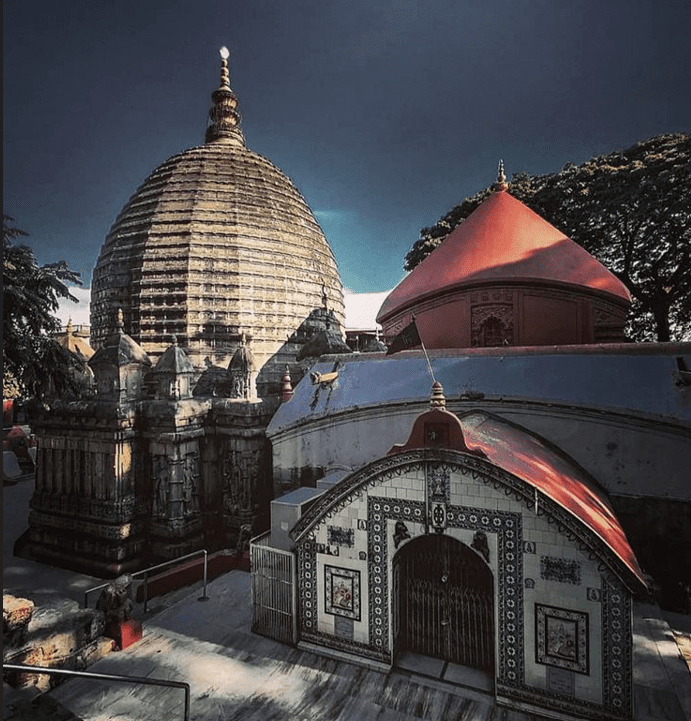
Unlike other Hindu temples, where beautifully crafted idols symbolize gods and goddesses, the Kamakhya Temple in Assam follows a completely different route of worship.

There is no traditional idol of the goddess inside the temple sanctum. Instead, devotees pay homage to a natural, ancient, and symbolic form of the goddess — one that represents the origin of creation itself.

Located atop Nilachal Hill in Guwahati, Kamakhya Temple is one of the most powerful Shakti Peethas in India. Moreover, it is a site where spirituality meets tantra, mythology, fertility symbolism, and cosmic feminine power.

To understand what is worshiped in the Kamakhya Temple, one must move beyond idol worship and enter the realm of Shakti devotion.


The Sacred Yoni Form Worshiped in Kamakhya Temple

At the core of Kamakhya Temple lies a natural rock formation that devotees worship as the goddess herself.

This sacred form is known as the Yoni, symbolizing the womb, the source of life, and fertility.

Characteristics of the Sacred Yoni

  • Natural rock formation shaped like a yoni
  • Situated inside a cave-like structure
  • Always moist due to an underground spring
  • Covered with red cloth and flowers

Devotees do not worship a face or idol. Rather, they worship the creative power of the Divine Feminine.

This makes Kamakhya Temple one of the rare temples where creation itself becomes the deity.


Mythological Background of What Is Worshiped in Kamakhya Temple

The worship form connects deeply with the legend of Goddess Sati.

Story Behind the Sacred Site

According to Hindu mythology:

  • Goddess Sati immolated herself in Daksha’s yajna
  • Shiva carried her body in grief
  • Vishnu dismembered the body
  • Body parts fell across Earth
  • These locations became the 51 Shakti Peethas
  • Kamakhya marks the place where Sati’s yoni (womb) fell

Because of this, devotees worship the goddess in her reproductive, life-creating form rather than as an idol.


Spiritual Significance of Yoni Worship

The yoni is more than a physical form — it carries cosmic symbolism.

What the Yoni Represents

  • Origin of creation
  • Feminine power (Shakti)
  • Birth of the universe
  • Fertility cycles
  • Renewal of life

According to Shakta philosophy, the universe originates in the womb of Shakti. Therefore, worship at Kamakhya honors the origin point of existence.


Union of Shiva and Shakti

Though Shiva is not present in idol form, devotees believe his energy unites with Shakti here.

Philosophical Explanation

  • Shiva = Consciousness
  • Shakti = Energy

Thus, the yoni symbolizes the eternal cosmic union that sustains creation.


Tantric Importance of What Is Worshiped at Kamakhya Temple

Kamakhya is not only a pilgrimage site but also a center of Tantra Sadhana.

Why Tantra Emphasizes the Yoni

According to tantric philosophy:

  • Divine power exists in natural symbols
  • Creation and sexuality are sacred
  • Energy flows through biological forms

Hence, the yoni becomes the ultimate tantric symbol of life force.


Elements of Tantric Rituals

Rituals performed at Kamakhya include:

  • Yogini worship
  • Fertility rituals
  • Midnight meditations
  • Energy awakening practices

These rituals honor Shakti in her raw cosmic form.


The Underground Spring: Living Presence of the Goddess

One of the most distinctive aspects of what is worshiped at Kamakhya Temple is the continuously flowing spring beneath the yoni rock.

Meaning of Sacred Water

  • Symbolizes menstrual fluid of the goddess
  • Represents fertility cycles
  • Signifies life-giving power

This sacred water is distributed as prasad to devotees.


Ambubachi Mela and the Living Goddess

The worship form gains deeper meaning during Ambubachi Mela.

Festival Significance

  • Temple remains closed for 3 days
  • Goddess is believed to menstruate
  • No rituals are performed
  • Red cloth is distributed as prasad

Therefore, this reinforces that what is worshiped is a living fertility force — not an idol.


Architectural Symbolism of the Sanctum

The temple’s architecture enhances spiritual symbolism.

Sacred Structural Elements

  • Cave-like Garbhagriha (womb chamber)
  • Steps descending to the shrine
  • Dark, enclosed sacred space

Devotees symbolically enter the womb of creation.


Other Deities Worshiped in the Temple Complex

Apart from the main sanctum, several shrines exist.

Associated Deities

  • Kali
  • Tara
  • Bhairavi
  • Bagalamukhi
  • Tripura Sundari

These represent various manifestations of Shakti.


Read Our Blog Related


Outbound Authority Links


FAQ Section

1. What is worshiped in Kamakhya Temple?
A natural yoni-shaped rock symbolizing Goddess Shakti’s womb.

2. Is there any idol inside the sanctum?
No, devotees worship the sacred yoni stone instead.

3. Why is the yoni worshiped?
Because it represents creation, fertility, and feminine divine energy.

4. What is the water beneath the yoni?
An underground spring considered sacred fertility fluid.

5. Is Kamakhya a Shakti Peeth?
Yes, it is one of the most powerful Shakti Peethas.


CTA Section

Curious to explore more hidden mysteries of Kamakhya Temple and Shakti Peeth traditions?

Read our detailed blogs on tantric rituals, temple legends, and sacred festivals. Share this guide with spiritual seekers.


Conclusion

Understanding what is worshiped in Kamakhya Temple reveals a philosophy far deeper than idol devotion.

Here, the goddess is worshiped as:

  • The womb of creation
  • The force of fertility
  • The essence of Shakti

Kamakhya Temple stands as a sacred reminder that divinity is not always sculpted in stone — sometimes it flows as life energy itself.

कामाख्या मंदिर में क्या पूजा जाता है?


परिचय

कामाख्या मंदिर आने वाले श्रद्धालुओं, शोधकर्ताओं और आध्यात्मिक जिज्ञासुओं के मन में सबसे रोचक प्रश्न होता है — “कामाख्या मंदिर में क्या पूजा जाता है?”

अन्य हिंदू मंदिरों की तरह यहाँ देवी-देवताओं की सुंदर मूर्तियाँ स्थापित नहीं हैं। असम स्थित कामाख्या मंदिर पूजा की एक बिल्कुल अलग परंपरा का अनुसरण करता है।

मंदिर के गर्भगृह में देवी की कोई पारंपरिक मूर्ति नहीं है। इसके स्थान पर, भक्त देवी के एक प्राकृतिक, प्राचीन और अत्यंत प्रतीकात्मक स्वरूप की पूजा करते हैं — जो सृष्टि के मूल स्रोत का प्रतिनिधित्व करता है।

गुवाहाटी के नीलांचल पर्वत पर स्थित कामाख्या मंदिर भारत के सबसे शक्तिशाली शक्तिपीठों में से एक है। यहाँ आध्यात्म, तंत्र, पौराणिक मान्यताएँ, उर्वरता प्रतीकवाद और दिव्य स्त्री शक्ति का संगम देखने को मिलता है।

कामाख्या मंदिर में क्या पूजा जाता है — इसे समझने के लिए मूर्ति पूजा की परंपरा से आगे बढ़कर शक्ति उपासना को समझना आवश्यक है।


कामाख्या मंदिर में पूजित पवित्र योनि स्वरूप

कामाख्या मंदिर के केंद्र में एक प्राकृतिक शिला स्थित है, जिसे स्वयं देवी का स्वरूप माना जाता है।

इस पवित्र स्वरूप को योनि कहा जाता है, जो गर्भ, सृष्टि के स्रोत और उर्वरता का प्रतीक है।

पवित्र योनि की विशेषताएँ

  • योनि के आकार की प्राकृतिक शिला
  • गुफा जैसी संरचना के भीतर स्थित
  • भूमिगत झरने के कारण सदैव आर्द्र
  • लाल वस्त्र और फूलों से आच्छादित

भक्त किसी मुख या प्रतिमा की पूजा नहीं करते। वे दिव्य स्त्री शक्ति की सृजनात्मक ऊर्जा की आराधना करते हैं।

इसी कारण कामाख्या मंदिर विश्व के उन विरले मंदिरों में है जहाँ सृष्टि स्वयं देवी का रूप मानी जाती है।


कामाख्या मंदिर में पूजित स्वरूप की पौराणिक पृष्ठभूमि

यह पूजा स्वरूप देवी सती की कथा से जुड़ा है।

पवित्र स्थल की कथा

हिंदू पौराणिक मान्यता के अनुसार:

  • देवी सती ने दक्ष यज्ञ में आत्मदाह किया
  • भगवान शिव उनके शरीर को लेकर शोक में भटकते रहे
  • भगवान विष्णु ने सती के शरीर को खंडित किया
  • अंग पृथ्वी पर विभिन्न स्थानों पर गिरे
  • ये स्थान 51 शक्तिपीठ कहलाए
  • कामाख्या वह स्थान है जहाँ सती की योनि गिरी

इसी कारण यहाँ देवी की पूजा उनके जीवनदायिनी स्वरूप में की जाती है, न कि मूर्ति रूप में।


योनि पूजा का आध्यात्मिक महत्व

योनि केवल शारीरिक अंग का प्रतीक नहीं, बल्कि ब्रह्मांडीय शक्ति का प्रतीक है।

योनि क्या दर्शाती है

  • सृष्टि का उद्गम
  • स्त्री शक्ति (शक्ति)
  • ब्रह्मांड का जन्म
  • उर्वरता चक्र
  • जीवन का पुनर्जन्म

शाक्त दर्शन के अनुसार सम्पूर्ण सृष्टि शक्ति के गर्भ से उत्पन्न हुई है।

अतः कामाख्या में पूजा सृष्टि के मूल स्रोत को समर्पित है।


शिव और शक्ति का मिलन

यद्यपि गर्भगृह में शिव की मूर्ति नहीं है, फिर भी उनकी ऊर्जा का शक्ति से मिलन माना जाता है।

दार्शनिक अर्थ

  • शिव = चेतना
  • शक्ति = ऊर्जा

योनि इस शाश्वत ब्रह्मांडीय मिलन का प्रतीक है, जो सृष्टि को संतुलित रखता है।


कामाख्या मंदिर में तांत्रिक महत्व

कामाख्या केवल तीर्थ स्थल ही नहीं, बल्कि तंत्र साधना का प्रमुख केंद्र भी है।

तंत्र में योनि का महत्व

तांत्रिक दर्शन के अनुसार:

  • दिव्य शक्ति प्राकृतिक प्रतीकों में विद्यमान है
  • सृष्टि और काम ऊर्जा पवित्र हैं
  • जैविक रूपों में ऊर्जा प्रवाहित होती है

अतः योनि को जीवन ऊर्जा का सर्वोच्च तांत्रिक प्रतीक माना जाता है।


तांत्रिक अनुष्ठानों के तत्व

कामाख्या में किए जाने वाले अनुष्ठान:

  • योगिनी पूजा
  • उर्वरता अनुष्ठान
  • मध्यरात्रि साधना
  • ऊर्जा जागरण क्रियाएँ

ये सभी अनुष्ठान शक्ति के मूल स्वरूप की आराधना करते हैं।


भूमिगत झरना — जीवित देवी का प्रतीक

योनि शिला के नीचे सतत बहने वाला झरना पूजा का महत्वपूर्ण भाग है।

पवित्र जल का अर्थ

  • देवी के रजस्वला द्रव का प्रतीक
  • उर्वरता चक्र का संकेत
  • जीवनदायिनी शक्ति का प्रतीक

यह पवित्र जल भक्तों को प्रसाद के रूप में दिया जाता है।


अंबुबाची मेला और जीवंत देवी

अंबुबाची मेले के दौरान यह पूजा स्वरूप और गहरा अर्थ ग्रहण करता है।

पर्व का महत्व

  • मंदिर 3 दिन बंद रहता है
  • देवी के रजस्वला होने की मान्यता
  • कोई पूजा नहीं होती
  • लाल वस्त्र प्रसाद रूप में दिया जाता है

यह दर्शाता है कि यहाँ मूर्ति नहीं, बल्कि जीवंत उर्वरता शक्ति की पूजा होती है।


गर्भगृह की स्थापत्य प्रतीकात्मकता

मंदिर की संरचना भी आध्यात्मिक अनुभव को गहन बनाती है।

पवित्र संरचनात्मक प्रतीक

  • गुफा जैसा गर्भगृह (गर्भ कक्ष)
  • नीचे उतरती सीढ़ियाँ
  • अंधकारमय पवित्र वातावरण

भक्त प्रतीकात्मक रूप से सृष्टि के गर्भ में प्रवेश करते हैं।


मंदिर परिसर में अन्य पूजित देवियाँ

मुख्य गर्भगृह के अतिरिक्त अन्य देवियों के मंदिर भी हैं।

संबद्ध देवियाँ

  • काली
  • तारा
  • भैरवी
  • बगलामुखी
  • त्रिपुरा सुंदरी

ये शक्ति के विविध रूप हैं।


आंतरिक लिंक प्लेसहोल्डर

  • कामाख्या मंदिर में मूर्ति क्यों नहीं है → [Internal Link]
  • कामाख्या मंदिर में पशु बलि क्यों होती है → [Internal Link]
  • अंबुबाची मेला पूर्ण गाइड → [Internal Link]

बाहरी प्राधिकरण लिंक

(Do-Follow जोड़ें)

  • Assam Tourism Official Website
  • Ministry of Culture (India)
  • Archaeological Survey of India

FAQ

1. कामाख्या मंदिर में क्या पूजा जाता है?
योनि आकार की प्राकृतिक शिला, जो शक्ति के गर्भ का प्रतीक है।

2. क्या गर्भगृह में मूर्ति है?
नहीं, यहाँ प्रतिमा के स्थान पर योनि शिला की पूजा होती है।

3. योनि की पूजा क्यों होती है?
क्योंकि यह सृष्टि, उर्वरता और स्त्री दिव्य शक्ति का प्रतीक है।

4. योनि के नीचे का जल क्या है?
भूमिगत झरना, जिसे पवित्र उर्वरता द्रव माना जाता है।

5. क्या कामाख्या शक्तिपीठ है?
हाँ, यह सबसे शक्तिशाली शक्तिपीठों में से एक है।


CTA

कामाख्या मंदिर और शक्तिपीठ परंपरा के और रहस्य जानना चाहते हैं?

हमारे तंत्र, मंदिर कथाओं और पर्वों पर विस्तृत लेख पढ़ें और इस लेख को आध्यात्मिक जिज्ञासुओं के साथ साझा करें।


निष्कर्ष

कामाख्या मंदिर में क्या पूजा जाता है — यह समझना मूर्ति पूजा से कहीं गहरी आध्यात्मिक समझ देता है।

यहाँ देवी की पूजा होती है:

  • सृष्टि के गर्भ रूप में
  • उर्वरता शक्ति के रूप में
  • आदिशक्ति के सार रूप में

कामाख्या मंदिर हमें स्मरण कराता है कि दिव्यता हमेशा पत्थर की मूर्तियों में नहीं होती — कभी-कभी वह स्वयं जीवन ऊर्जा के रूप में प्रवाहित होती है।

Mansa Devi is a Shakti Peeth

People who visit Haridwar usually go to the Mansa Devi Temple to pray. They tie threads. Make wishes. The air is filled with devotion.. People often wonder if Mansa Devi is a Shakti Peeth.

This is a question. The temple is very powerful. The goddess is a form of Shakti. People believe that miracles happen there.. To be a Shakti Peeth there are certain stories and legends that must be true.

To find the answer we need to look at stories and legends. We also need to understand what a Shakti Peeth is.


What is a Shakti Peeth?

The story of Shakti Peeths starts with Goddess Sati. She was the daughter of King Daksha and the wife of Lord Shiva.

Here is what happened:

  • King Daksha performed a ceremony but did not invite Lord Shiva
  • Goddess Sati was very upset. Killed herself
  • Lord Shiva was very sad. Carried her body around the universe
  • To make things right Lord Vishnu used his wheel to cut the body into pieces
  • The pieces fell in places and these places became Shakti Peeths
  • These are places of power and are considered very holy

There are 51 Shakti Peeths.. Is Mansa Devi one of them?


Is Mansa Devi one of them?

No Mansa Devi is not a Shakti Peeth. The temple is very important to people. It is not mentioned in the old stories.


Why is Mansa Devi not a Shakti Peeth?

To be a Shakti Peeth, a temple must have a connection to Goddess Satis body.

Rules:

  • A piece of her body must have fallen there
  • The old stories must say that it is a Shakti Peeth
  • Special texts must also say that it is a Shakti Peeth

Mansa Devi does not meet these rules:

  • No piece of Goddess Satis body is associated with the temple
  • The old stories do not mention it as a Shakti Peeth
  • The special texts do not say that it is a Shakti Peeth

So Mansa Devi is not a Shakti Peeth.


What is Mansa Devi then?

Mansa Devi is a Siddh Peeth. This means that it is a temple where peoples wishes come true.

Meaning:

  • It is a place of devotion
  • People believe that their wishes are fulfilled there
  • It is a place for spiritual practices

People often get confused between Shakti Peeth and Siddh Peeth.. They are different.


Difference Between Shakti Peeth and Siddh Peeth

  • Shakti Peeths are about the power of the goddess
  • Siddh Peeths are about the fulfillment of wishes

Story of Goddess Mansa

The story of Goddess Mansa is different from Goddess Sati.

  • She is the daughter of Lord Shiva
  • She has the power of snakes
  • She protects people from snakes and hidden fears
  • She gives people fertility and prosperity

People worship her in Eastern India and the Himalayas. Her story is not connected to the story of Goddess Sati.


Importance of Mansa Devi Temple

The Mansa Devi Temple is very important.

  • People believe that their wishes come true there
  • They believe that it helps with marriage and childbirth
  • They believe that it helps with problems

The ritual of tying threads is a symbol of desire and fulfillment.


Why do people think Mansa Devi is a Shakti Peeth?

People think Mansa Devi is a Shakti Peeth because it has symbols and power.

  • The goddess is a form of Shakti
  • The temple is very powerful
  • It is part of a pilgrimage route
  • Many people believe in its power

Being a form of Shakti does not make it a Shakti Peeth. The rules for being a Shakti Peeth are very specific.


What is the difference between Shakti Peeth and Siddh Peeth?

Main differences:

  • Origin: Shakti Peeth comes from the story of Goddess Sati Siddh Peeth comes from devotion and fulfillment
  • Stories: Shakti Peeth is based on stories Siddh Peeth is based on regional traditions
  • Power: Shakti Peeth is about power Siddh Peeth is about wish fulfillment
  • Rituals: Shakti Peeth has rituals Siddh Peeth has devotional rituals

Examples of Shakti Peeths are Kamakhya and Kalighat. Examples of Siddh Peeths are Mansa Devi and Vaishno Devi.


Pilgrimage Context

Mansa Devi is part of a triangle in Haridwar.

  • It includes Mansa Devi, Chandi Devi and Maya Devi
  • These temples represent the power of the goddess

Cultural Perspective

From a cultural perspective Siddh Peeths like Mansa Devi give people emotional and psychological fulfillment.

  • They provide faith and reassurance
  • They symbolize desire and fulfillment
  • They help people connect with the goddess

While Shakti Peeths are about the power of the goddess Siddh Peeths are about connection and fulfillment.


Learn More

Do you want to learn more about temples and goddess traditions?

Check out our blogs and guides.

How Many Shakti Peeth


Conclusion

In conclusion Mansa Devi is not a Shakti Peeth.. It is a very powerful Siddh Peeth.

  • It is a place of devotion and fulfillment
  • It is a part of goddess worship
  • It stands as a living center of faith and prayer

Both Shakti Peeths and Siddh Peeths serve roles in goddess worship.

  • Shakti Peeths are about power
  • Siddh Peeths are, about connection and fulfillment

For devotees both ultimately lead to the same divine mother. The goddess.

Why is Kamakhya Temple closed for 3 days?

Perched atop the Nilachal Hill in the state of Assam, Kamakhya Temple is a place of worship that defies conventional religious trends. This is a temple where worship and nature, biology, tantra, and the universe are intertwined in a manner that is hard to find elsewhere in the world.

Among all the other mysteries surrounding this temple, there is one question that lingers in the minds of devotees and travelers alike:

The reason is not organizational, architectural, or related to the seasons. It is a spiritual one, one that is connected to feminine divinity, fertility, and Shakti cults of old.

But what is perhaps even more fascinating is that another question lingers in the minds of many who visit this temple:

Why Is Kamakhya Temple Closed for 3 Days?

Annual Closure During Ambubachi Mela

The Kamakhya Temple is closed for three days every year, and this happens during the Ambubachi Mela, which is one of the most distinctive religious festivals in the world.

While most festivals celebrate birth, victory, or harvest, the Ambubachi Mela celebrates a biological phenomenon: menstruation.

This is when, according to temple tradition, Goddess Kamakhya, the manifestation of Shakti, experiences her annual menstrual cycle.


Spiritual Meaning Behind the 3‑Day Closure

The Spiritual Significance of the Closure

According to Shakti ideology, the goddess is not separate from nature but is nature itself.

Thus:

• Creation is sacred
• Fertility is divine
• Menstruation is powerful, not impure

The three days of closure symbolize the resting period of the goddess, just as women experience during their menstrual cycle.

This ideology converts biology into theology.


Festival Link to the Temple Closure

The Ambubachi Mela Connection

The closure exactly matches the dates of Ambubachi Mela, which takes place every year in June (during the monsoon season).

This is significant.

Monsoon symbolizes:

• The fertility of the earth
• Agricultural renewal
• Soil rejuvenation

As the earth becomes fertile, the goddess also enters her fertile or reproductive phase, thus synchronizing with the cosmic cycles.


Ritual Activities During the Closure Period

What Happens During the 3 Days of Closure?

During the three days of closure, the temple is closed, but spiritual activities take place outside.

Some of the important events that happen during this period are:

• Tantric rituals performed by Aghori sadhus
• Meditation sessions
• Spiritual initiations
• Devotees observe fasting

Devotees patiently wait outside, as they believe that the goddess is in a state of internal power accumulation.


Sacred Mysteries Observed Inside the Sanctum

The Red Water Phenomenon

One of the most talked-about phenomena is the natural spring present within the sanctum.

During Ambubachi:

• The water turns reddish
• The priests interpret it as menstrual symbolism
• It is given out as sacred Angodak

In addition to this, the devotees are given Rakta Bastra – a red cloth that symbolizes the divine fertility blessings.


Reopening Ceremonies and Post‑Closure Rituals

Rituals After the Temple Reopens

After three days, the temple reopens with purification rituals.

These include:

• Sanctum purification rituals
• Sacred bathing rituals
• Tantric invocations
• Public दर्शन reopening

The reopening day is filled with huge crowds – sometimes exceeding millions.

The devotees believe that this is the most auspicious time for blessings.


Is Kamakhya Temple Closed Every Month?

Monthly Closure Belief Explained

This is one of the most searched and misunderstood queries.

Short Answer: No – not fully closed every month.

However, the belief has some complexity.


The Monthly Menstruation Belief

According to local oral traditions, the goddess has a subtle menstrual cycle every month.

However, unlike Ambubachi:

• The temple DOES NOT close for 3 full days
• There is no large-scale festival
• There is no public restriction imposed

Instead, there are some small-scale ritual changes that may take place internally.

These are priest-level rituals, not public closures.


Why the Annual Closure Is Different

The annual Ambubachi cycle is believed to be the goddess’s main fertility cycle.

Therefore:

• It is in monsoon season
• It is associated with earth fertility
• It is tantric astrological timing

Monthly cycles are only symbolic – annual is cosmic.


Tantric Importance of Ambubachi Period

Tantric Significance of the 3-Day Closure

Kamakhya is the world hub of Tantra Sadhana.

During Ambubachi:

• The energy is at its peak
• The rituals are more powerful
• Initiations are performed

Tantric sadhaks believe that this is the entry point to siddhi (spiritual achievements).


Cultural and Social Impact

Cultural Impact of the Closure

The 3-day closure of the temple has a huge impact on the culture of the region.

During this period:

• Agriculture stops in some parts of Assam
• Married women perform rituals
• Sadhus assemble in large numbers

The closure becomes both spiritual and cultural.


Academic and Anthropological Perspectives

Scientific and Anthropological Interpretations

The closure is interpreted by scholars through symbolic anthropology.

The interpretations are:

• Fertility cult traditions
• Mother goddess cult traditions
• Agricultural cycle synchronization
• Feminine body worship

Thus, mythology and ecology meet.


Devotional Emotions and Faith Perspective

Emotional & Devotional Perspective

Devotees do not consider the closure as absence, but as closeness.

They believe:

The goddess goes not to disconnect, but to renew.

Waiting outside the temple becomes a gesture of faith—much like patience, surrender, and worship of feminine cycles.


Lesser‑Known Insights About the Closure

Unique Facts About the 3-Day Closure

• Temple priests do not conduct daily worship rituals inside
• Cooking of prasad is temporarily stopped
• Agricultural ploughing is temporarily stopped locally
• Tantric meetings reach a peak
• Millions attend on the reopening day

No other major temple in the world practices menstruation theology on such a massive scale.


Internal Link Placeholders

Facts of Kamakhya Temple
Ambubachi Mela History
Shakti Peethas in India


Outbound Authority Links

Assam Tourism Official Website
Incredible India – Ministry of Tourism
Archaeological Survey of India


FAQ – Why Is Kamakhya Temple Closed for 3 Days?

Q1: Why is Kamakhya Temple closed for 3 days?
It closes during Ambubachi Mela, symbolizing the annual menstruation cycle of Goddess Kamakhya.

Q2: Does the temple close every month?
No. Monthly menstruation belief exists symbolically, but public closure occurs only once a year.

Q3: What is Ambubachi Mela?
It is a fertility festival celebrating the reproductive power of the goddess and earth.

Q4: What is Rakta Bastra?
A sacred red cloth distributed as fertility prasad after reopening.

Q5: Can tourists visit during closure?
Yes, but temple entry is restricted until reopening rituals are completed.


Call-To-Action (CTA)

If you enjoyed this mystery, look for more profound spiritual knowledge on our blog – from tantric temples to the secret Shakti Peethas of India.

Stay connected for research-based spiritual knowledge.


Conclusion

So, why is Kamakhya Temple closed for 3 days?

Not for renovation.
Not for administration.
But for honoring the biological power of creation itself.

In a world that often stigmatizes menstruation, Kamakhya sanctifies it.

The annual closure reminds devotees that divinity is not separate from nature — it flows through it.

And while the temple does not close every month publicly, the belief in the goddess’s cyclical rhythm continues to live in sacred whispers.

Kamakhya, therefore, is not just a temple.

It is a living theology of feminine power, fertility, and cosmic creation.

कामाख्या मंदिर 3 दिनों के लिए क्यों बंद रहता है?

असम राज्य की नीलांचल पहाड़ी की चोटी पर स्थित कामाख्या मंदिर एक ऐसा पूजा स्थल है जो पारंपरिक धार्मिक धारणाओं से अलग है। यह वह स्थान है जहाँ पूजा, प्रकृति, जीवविज्ञान, तंत्र और ब्रह्मांड एक साथ जुड़ते हैं — ऐसे रूप में जो दुनिया में कहीं और दुर्लभ है।

इस मंदिर से जुड़े अनेक रहस्यों में एक प्रश्न सबसे अधिक लोगों के मन में आता है:

कामाख्या मंदिर 3 दिनों के लिए क्यों बंद रहता है?

इसका कारण प्रशासनिक, वास्तुशिल्पीय या मौसमी नहीं है। यह एक आध्यात्मिक कारण है — जो स्त्री दिव्यता, उर्वरता और प्राचीन शक्ति परंपराओं से जुड़ा हुआ है।

लेकिन इससे भी अधिक रोचक एक और प्रश्न है जो कई श्रद्धालुओं के मन में उठता है:

क्या कामाख्या मंदिर हर महीने भी बंद रहता है?


अंबुबाची मेले के दौरान वार्षिक बंद

कामाख्या मंदिर हर वर्ष 3 दिनों के लिए बंद रहता है, और यह अवधि अंबुबाची मेले के समय आती है — जो विश्व के सबसे अनोखे धार्मिक उत्सवों में से एक है।

जहाँ अधिकांश त्योहार जन्म, विजय या फसल का उत्सव मनाते हैं, वहीं अंबुबाची मेला एक जैविक प्रक्रिया — मासिक धर्म — का उत्सव मनाता है।

मंदिर परंपरा के अनुसार, इसी समय देवी कामाख्या, जो शक्ति का स्वरूप हैं, अपने वार्षिक रजस्वला काल से गुजरती हैं।


बंद होने का आध्यात्मिक महत्व

शक्ति दर्शन के अनुसार देवी प्रकृति से अलग नहीं — बल्कि स्वयं प्रकृति हैं।

इसलिए:

• सृजन पवित्र है
• उर्वरता दिव्य है
• मासिक धर्म शक्तिशाली है, अपवित्र नहीं

मंदिर का 3 दिन बंद रहना देवी के विश्राम काल का प्रतीक है — ठीक उसी प्रकार जैसे स्त्रियाँ अपने मासिक चक्र के दौरान विश्राम करती हैं।

इस प्रकार, जीवविज्ञान यहाँ धर्मशास्त्र बन जाता है।


अंबुबाची मेला और बंद का संबंध

मंदिर का बंद होना हर वर्ष जून महीने (मानसून आरंभ) में होता है।

यह समय अत्यंत प्रतीकात्मक है।

मानसून दर्शाता है:

• धरती की उर्वरता
• कृषि पुनर्जागरण
• मिट्टी का पुनर्जीवन

जिस प्रकार धरती उर्वर होती है, उसी प्रकार देवी भी अपनी सृजन शक्ति के चक्र में प्रवेश करती हैं।


3 दिनों के बंद के दौरान क्या होता है?

मंदिर बंद रहता है, लेकिन बाहर आध्यात्मिक गतिविधियाँ चलती रहती हैं।

इस दौरान:

• अघोरी साधु तांत्रिक अनुष्ठान करते हैं
• ध्यान साधनाएँ होती हैं
• दीक्षाएँ दी जाती हैं
• भक्त व्रत रखते हैं

भक्त प्रतीक्षा करते हैं, क्योंकि वे मानते हैं कि देवी आंतरिक शक्ति संचय की अवस्था में हैं।


लाल जल का रहस्य

मंदिर गर्भगृह में स्थित प्राकृतिक जलस्रोत इस अवधि में विशेष महत्व रखता है।

अंबुबाची के दौरान:

• जल लाल हो जाता है
• इसे मासिक धर्म का प्रतीक माना जाता है
• इसे अंगोदक रूप में दिया जाता है

साथ ही, भक्तों को “रक्त वस्त्र” (लाल कपड़ा) प्रसाद स्वरूप मिलता है — जो उर्वरता का आशीर्वाद माना जाता है।


मंदिर पुनः खुलने के बाद के अनुष्ठान

3 दिनों बाद मंदिर शुद्धिकरण अनुष्ठानों के साथ पुनः खुलता है।

इनमें शामिल हैं:

• गर्भगृह शुद्धि
• पवित्र स्नान
• तांत्रिक मंत्रोच्चार
• सार्वजनिक दर्शन प्रारंभ

इस दिन लाखों श्रद्धालु दर्शन के लिए आते हैं।


क्या कामाख्या मंदिर हर महीने भी बंद रहता है?

संक्षिप्त उत्तर: नहीं — हर महीने पूर्ण रूप से बंद नहीं रहता।

हालाँकि, इस विश्वास से जुड़ी कुछ परंपराएँ हैं।


मासिक धर्म की मासिक मान्यता

स्थानीय मान्यताओं के अनुसार देवी का सूक्ष्म मासिक चक्र हर महीने होता है।

लेकिन:

• मंदिर 3 दिन बंद नहीं रहता
• कोई बड़ा उत्सव नहीं होता
• सार्वजनिक प्रतिबंध नहीं होते

केवल आंतरिक स्तर पर कुछ छोटे अनुष्ठान हो सकते हैं।


वार्षिक बंद क्यों अलग है?

अंबुबाची देवी का मुख्य उर्वरता चक्र माना जाता है।

इसलिए:

• मानसून से जुड़ा है
• धरती की उर्वरता से संबंधित है
• तांत्रिक ज्योतिषीय समय से मेल खाता है

मासिक चक्र प्रतीकात्मक है — वार्षिक चक्र ब्रह्मांडीय।


तांत्रिक महत्व

कामाख्या तंत्र साधना का वैश्विक केंद्र है।

अंबुबाची के दौरान:

• ऊर्जा चरम पर मानी जाती है
• अनुष्ठान अधिक शक्तिशाली होते हैं
• दीक्षाएँ दी जाती हैं

साधक इसे सिद्धि प्राप्ति का काल मानते हैं।


सांस्कृतिक प्रभाव

3 दिन का बंद क्षेत्रीय जीवन को प्रभावित करता है।

इस दौरान:

• कुछ स्थानों पर कृषि कार्य रुकते हैं
• विवाहित महिलाएँ अनुष्ठान करती हैं
• साधु-संत एकत्र होते हैं


वैज्ञानिक व मानवशास्त्रीय दृष्टिकोण

विद्वान इसे प्रतीकात्मक मानवशास्त्र से जोड़ते हैं:

• उर्वरता पूजा परंपरा
• मातृदेवी परंपरा
• कृषि चक्र संबंध
• स्त्री शरीर सम्मान


भावनात्मक व भक्तिपूर्ण दृष्टि

भक्त बंद को दूरी नहीं, निकटता मानते हैं।

उनका विश्वास है:

देवी अलग नहीं होतीं — पुनः ऊर्जित होती हैं।


3-दिवसीय बंद के अनोखे तथ्य

• दैनिक पूजा नहीं होती
• प्रसाद पकाना रुकता है
• हल चलाना रुकता है
• तांत्रिक सभाएँ बढ़ती हैं
• पुनः उद्घाटन पर भारी भीड़ होती है


आंतरिक लिंक

कामाख्या मंदिर तथ्य
अंबुबाची मेला गाइड
51 शक्तिपीठ सूची


FAQ

प्र.1: कामाख्या मंदिर 3 दिन बंद क्यों रहता है?
अंबुबाची मेले के दौरान देवी के वार्षिक रजस्वला काल के कारण।

प्र.2: क्या हर महीने बंद रहता है?
नहीं, केवल प्रतीकात्मक मान्यता है।

प्र.3: अंबुबाची मेला क्या है?
उर्वरता और सृजन शक्ति का उत्सव।

प्र.4: रक्त वस्त्र क्या है?
लाल कपड़ा प्रसाद रूप में दिया जाता है।

प्र.5: क्या पर्यटक जा सकते हैं?
हाँ, पर प्रवेश बंद रहता है।


निष्कर्ष

कामाख्या मंदिर 3 दिन इसलिए बंद रहता है क्योंकि यहाँ सृजन शक्ति का सम्मान किया जाता है।

जहाँ दुनिया मासिक धर्म को वर्जना मानती है, वहीं कामाख्या उसे दिव्यता मानता है।

यह मंदिर केवल पूजा स्थल नहीं — स्त्री शक्ति का जीवित दर्शन है।

Facts of Kamakhya Temple

The Kamakhya Temple stands atop the Nilachal Hill in the state of Assam. Unlike ordinary shrines, this temple is truly different from other temples. It is an experience that combines mysticism, tantra, devotion and ancient feminine energy.

In most temples, people worship gods and goddesses in idol form. However, the Kamakhya Temple goes beyond idol worship. Instead, it symbolizes the power of nature itself.

People from all over the world come to visit the Kamakhya Temple. Devotees arrive with faith, while researchers and spiritual enthusiasts come with curiosity. As a result, no one leaves the Kamakhya Temple without being changed by its strong presence.

In this blog, we will tell you about the facts of Kamakhya Temple, including its history, spiritual, cultural and mysterious aspects. Moreover, we will present these facts in a way that brings the temple to life.

Historical Facts of Kamakhya Temple

One of the Oldest Shakti Peethas

The Kamakhya Temple is counted among the 51 Shakti Peethas of India. According to sacred stories, when Goddess Sati’s body was cut into pieces by Lord Vishnu’s Sudarshan Chakra, her womb and yoni fell at this very spot.

Because of this legend, the Kamakhya Temple is regarded as the center of cosmic power or Shakti in its most creative form. Thus, the temple holds immense spiritual significance.

Rebuilt Multiple Times

The original Kamakhya Temple complex dates back to the 8th–9th century under the Mlechchha dynasty. However, invaders destroyed it in the 16th century. Later, Koch King Nara Narayan and his brother Chilarai rebuilt the Kamakhya Temple in its present form.

Architectural and Spiritual Structure

The current architecture of the Kamakhya Temple is a mix of styles. These styles include:

• Assamese architecture
• Bengal temple style
• Tantric architectural symbolism

The Kamakhya Temple is also a place where:

• Aghori sadhus meditate
• Tantric rituals are conducted
• Occult traditions are maintained

The Kamakhya Temple is the devotional temple that celebrates both the light and dark aspects of spirituality — creation and destruction. This makes the Kamakhya Temple a unique place.

Unique Worship Facts of Kamakhya Temple

No Idol Worship

One surprising fact of the Kamakhya Temple is that there is no idol inside the temple. Instead devotees worship a rock cleft in the shape of a yoni. This rock cleft is constantly replenished by a spring.

This spring keeps the Kamakhya Temple moist throughout the year. It represents fertility and life.

Temple of Tantra Sadhana

The Kamakhya Temple is famous worldwide as the center of Tantric Sadhana. Here:

• Aghori sadhus meditate
• Tantric rituals are conducted
• Occult traditions are maintained

Mysterious Facts of Kamakhya Temple

The Bleeding Goddess Phenomenon

One of the talked-about facts of the Kamakhya Temple is the annual menstruation phenomenon. Every year during the Ambubachi Mela:

• The temple is closed for 3 days
• The spring water turns reddish
• It is said that Goddess Kamakhya menstruates

On opening the temple devotees are given a cloth called Angodak / Rakta Bastra as a holy prasad.

No Sacrifice of Female Animals

Animal sacrifices are performed in the Kamakhya Temple as a part of the Shakti worship practices. No female animals are ever sacrificed.

Architectural Facts of Kamakhya Temple

Beehive‑Shaped Dome

The dome of the Kamakhya Temple is beehive‑shaped rather than pointed like the typical Indian style. This represents:

• Fertility
• Womb symbolism
• Concentration of power

Underground Sanctum

To access the goddess one has to go down through narrow stone stairs to a cave-like room.

Cultural Facts of Kamakhya Temple

Ambubachi Mela – Festival of Fertility

The Ambubachi Mela is the principal festival of the Kamakhya Temple. During this festival:

• Agriculture in Assam comes to a standstill
• Saints from over gather in thousands
• Tantra sadhus perform rituals

Spiritual Facts of Kamakhya Temple

Wish-Fulfilling Shrine

Devotees believe that the wishes fulfilled here happen faster regarding marriage, fertility and relationships.

Gateway to Occult Knowledge

Many seekers visit the Kamakhya Temple not for blessings but for initiation into traditions and esoteric spiritual practices.

Lesser-Known Facts of Kamakhya Temple

• The Kamakhya Temple contains 10 Mahavidya shrines
• It is associated with magic legends
• The Brahmaputra River adds properties
• Caves for meditation exist nearby

Mythological Facts of Kamakhya Temple

Associated with Lord Shiva’s Cosmic Sorrow

After the death of Sati, Shiva danced with the Tandava of destruction with her body resulting in the creation of Shakti Peethas like the Kamakhya Temple.

Read Our Blog Related Maa Kamakhya Temple

Ambubachi Mela History
51 Shakti Peethas in India
Kamakhya Temple Festival List

Outbound Authority Links

Assam Tourism Official Website
Incredible India – Ministry of Tourism
Archaeological Survey of India

FAQ – Facts of Kamakhya Temple

Q1: Why is the Kamakhya Temple famous?
The Kamakhya Temple is famous as a Shakti Peetha representing the power of the universe.

Q2: Is there an idol inside the Kamakhya Temple?
No a natural rock cavity is worshipped.

Q3: What happens during Ambubachi Mela?
The temple remains shut for 3 days representing the menstruation cycle of the Goddess.

Q4: Is tantra still practiced here?
Yes it is a tantric worship place.

Q5: Can tourists visit throughout the year?
Yes, except on the days of Ambubachi closure.

Call-To-Action (CTA)

If you enjoyed these facts learn more about spiritual in-depth analyses on our blog. Connect with us for research-backed information.

Conclusion

The Kamakhya Temple is more than a pilgrimage destination – it is a living embodiment of creation, mystery and divine femininity. The rituals here defy conventions, the festivals here redefine purity and the energies here go beyond religion. Creation itself is holy – The Kamakhya Temple is its most potent shrine.

कामाख्या मंदिर के तथ्य

(Facts of Kamakhya Temple)

कामाख्या मंदिर असम राज्य के नीलांचल पहाड़ी की चोटी पर स्थित है। सामान्य मंदिरों से अलग, यह मंदिर वास्तव में अन्य मंदिरों से भिन्न है। यह एक ऐसा आध्यात्मिक अनुभव है जहाँ रहस्यवाद, तंत्र, भक्ति और प्राचीन स्त्री ऊर्जा का अद्भुत संगम होता है।

अधिकांश मंदिरों में लोग देवी-देवताओं की मूर्ति स्वरूप पूजा करते हैं। हालांकि, कामाख्या मंदिर मूर्ति पूजा से आगे बढ़कर है। यह स्वयं प्रकृति की सृजन शक्ति का प्रतीक माना जाता है।

दुनिया भर से लोग कामाख्या मंदिर के दर्शन के लिए आते हैं। श्रद्धालु आस्था लेकर आते हैं, जबकि शोधकर्ता और आध्यात्मिक जिज्ञासु जिज्ञासा लेकर पहुँचते हैं। परिणामस्वरूप, कोई भी व्यक्ति यहाँ से इसकी शक्तिशाली उपस्थिति से प्रभावित हुए बिना नहीं लौटता।

इस ब्लॉग में हम कामाख्या मंदिर के तथ्यों, इसके ऐतिहासिक, आध्यात्मिक, सांस्कृतिक और रहस्यमयी पहलुओं के बारे में बताएँगे। साथ ही, इन तथ्यों को ऐसे प्रस्तुत करेंगे जिससे मंदिर की जीवंतता महसूस हो सके।


कामाख्या मंदिर के ऐतिहासिक तथ्य

सबसे प्राचीन शक्तिपीठों में से एक

कामाख्या मंदिर भारत के 51 शक्तिपीठों में गिना जाता है। पौराणिक कथाओं के अनुसार, जब भगवान विष्णु ने सुदर्शन चक्र से माता सती के शरीर के टुकड़े किए, तब उनकी योनि और गर्भ भाग इसी स्थान पर गिरा।

इसी कारण कामाख्या मंदिर को ब्रह्मांडीय शक्ति या सृजन शक्ति “शक्ति” का केंद्र माना जाता है। इसलिए यह मंदिर अत्यंत आध्यात्मिक महत्व रखता है।


कई बार पुनर्निर्माण

कामाख्या मंदिर का मूल परिसर 8वीं–9वीं शताब्दी में म्लेच्छ वंश के समय का माना जाता है। बाद में 16वीं शताब्दी में आक्रमणकारियों ने इसे नष्ट कर दिया।

इसके पश्चात कोच राजा नर नारायण और उनके भाई चिलाराय ने वर्तमान स्वरूप में मंदिर का पुनर्निर्माण कराया।


वास्तुकला और आध्यात्मिक संरचना

कामाख्या मंदिर की वर्तमान वास्तुकला विभिन्न शैलियों का मिश्रण है:

• असमिया वास्तुकला
• बंगाल मंदिर शैली
• तांत्रिक स्थापत्य प्रतीकवाद

यह मंदिर एक ऐसा केंद्र भी है जहाँ:

• अघोरी साधु साधना करते हैं
• तांत्रिक अनुष्ठान होते हैं
• गूढ़ परंपराएँ जीवित रखी जाती हैं

इस प्रकार, कामाख्या मंदिर आध्यात्मिकता के सृजन और विनाश — दोनों पक्षों का उत्सव मनाता है।


कामाख्या मंदिर के अनोखे पूजा तथ्य

बिना मूर्ति पूजा

कामाख्या मंदिर का एक आश्चर्यजनक तथ्य यह है कि गर्भगृह में कोई मूर्ति नहीं है। यहाँ एक प्राकृतिक शिला-विदर (चट्टान की दरार) की पूजा होती है जो योनि आकार की है।

यह शिला एक प्राकृतिक झरने से सदैव जलयुक्त रहती है, जो उर्वरता और जीवन का प्रतीक मानी जाती है।


तंत्र साधना का केंद्र

कामाख्या मंदिर विश्वभर में तांत्रिक साधना के प्रमुख केंद्र के रूप में प्रसिद्ध है। यहाँ:

• अघोरी साधु ध्यान करते हैं
• तांत्रिक अनुष्ठान किए जाते हैं
• गूढ़ साधनाएँ संपन्न होती हैं


कामाख्या मंदिर के रहस्यमयी तथ्य

रक्तस्राव करती देवी की घटना

कामाख्या मंदिर का सबसे चर्चित रहस्य वार्षिक मासिक धर्म से जुड़ा है। हर वर्ष अंबुबाची मेले के दौरान:

• मंदिर 3 दिनों तक बंद रहता है
• झरने का जल लाल हो जाता है
• मान्यता है कि देवी कामाख्या रजस्वला होती हैं

मंदिर खुलने पर भक्तों को अंगोदक / रक्त वस्त्र प्रसाद रूप में दिया जाता है।


मादा पशुओं की बलि नहीं

यहाँ शक्ति पूजा परंपरा के अंतर्गत पशु बलि दी जाती है। किंतु मादा पशुओं की बलि कभी नहीं दी जाती — यह स्त्री सृजन शक्ति के सम्मान का प्रतीक है।


कामाख्या मंदिर के स्थापत्य तथ्य

मधुमक्खी छत्ते जैसा गुंबद

मंदिर का गुंबद मधुमक्खी के छत्ते जैसा है, जो सामान्य उत्तर भारतीय शैली से भिन्न है। यह दर्शाता है:

• उर्वरता
• गर्भ प्रतीकवाद
• शक्ति का संकेंद्रण


भूमिगत गर्भगृह

देवी के दर्शन हेतु संकरे पत्थर के सीढ़ियों से नीचे गुफानुमा कक्ष में उतरना पड़ता है। यह अनुभव मानो पृथ्वी के गर्भ में प्रवेश जैसा लगता है।


सांस्कृतिक तथ्य

अंबुबाची मेला – उर्वरता का उत्सव

यह मंदिर का मुख्य उत्सव है। इस दौरान:

• असम में कृषि कार्य रुक जाते हैं
• हजारों संत एकत्रित होते हैं
• तांत्रिक साधु अनुष्ठान करते हैं


आध्यात्मिक तथ्य

मनोकामना पूर्ण करने वाला धाम

भक्त मानते हैं कि यहाँ विवाह, संतान और संबंधों से जुड़ी मनोकामनाएँ शीघ्र पूर्ण होती हैं।


गूढ़ ज्ञान का द्वार

कई साधक आशीर्वाद नहीं बल्कि तांत्रिक दीक्षा हेतु यहाँ आते हैं।


कम ज्ञात तथ्य

• यहाँ 10 महाविद्या मंदिर स्थित हैं
• काले जादू की कथाओं से जुड़ा माना जाता है
• ब्रह्मपुत्र नदी ऊर्जा प्रभाव बढ़ाती है
• पास में ध्यान गुफाएँ हैं


पौराणिक तथ्य

शिव के तांडव से संबंध

माता सती की मृत्यु के बाद भगवान शिव ने उनके शरीर को लेकर तांडव किया, जिससे शक्तिपीठों की उत्पत्ति हुई — जिनमें कामाख्या भी शामिल है।


संबंधित ब्लॉग पढ़ें

अंबुबाची मेला इतिहास
भारत के 51 शक्तिपीठ
कामाख्या मंदिर उत्सव सूची


आधिकारिक लिंक

असम पर्यटन
इन्क्रेडिबल इंडिया
भारतीय पुरातत्व सर्वेक्षण


FAQ

प्र.1: कामाख्या मंदिर प्रसिद्ध क्यों है?
यह शक्ति पीठ के रूप में ब्रह्मांडीय स्त्री शक्ति का प्रतीक है।

प्र.2: क्या यहाँ मूर्ति है?
नहीं, प्राकृतिक शिला-विदर की पूजा होती है।

प्र.3: अंबुबाची मेले में क्या होता है?
मंदिर 3 दिन बंद रहता है — देवी के रजस्वला होने की मान्यता है।

प्र.4: क्या यहाँ तंत्र साधना होती है?
हाँ, यह प्रमुख तांत्रिक केंद्र है।

प्र.5: क्या सालभर दर्शन संभव हैं?
हाँ, अंबुबाची बंद अवधि को छोड़कर।


CTA

यदि आपको ये तथ्य रोचक लगे, तो हमारे ब्लॉग पर और गहन आध्यात्मिक लेख पढ़ें। शोध आधारित जानकारी के लिए हमसे जुड़े रहें।


निष्कर्ष

कामाख्या मंदिर केवल तीर्थ नहीं — सृजन, रहस्य और दिव्य स्त्री शक्ति का जीवंत प्रतीक है। यहाँ की परंपराएँ मान्यताओं को चुनौती देती हैं, उत्सव पवित्रता की परिभाषा बदलते हैं, और ऊर्जा धर्म से परे जाती है।

सृजन स्वयं पवित्र है — और कामाख्या उसका सबसे शक्तिशाली केंद्र।

Which Part of Sati Fell in Kamakhya

Among the many holy questions that surround the worship of Shakti, there is one that stands out for its mysterious and deeply spiritual nature – namely, “Which Part of Sati Fell in Kamakhya?”

For devotees who trek up to Nilachal Hill in Assam, this question often lives in their hearts. Unlike most other temples, where a statue of the deity is worshipped, Kamakhya provides something much more symbolic, much more ancient, and much more esoteric.

To answer this question, we must embark on one of the most emotional and cosmic stories in Hindu mythology – that of Sati, Shiva, and the creation of the Shakti Peeths.

For Kamakhya is no ordinary temple. It stands as the seat of creation itself.


Which Part of Sati Fell in Kamakhya?

According to the traditions of Shakti Peeths:

👉 The Yoni (womb and genital area) of Goddess Sati fell at Kamakhya.

This makes Kamakhya one of the most spiritually and symbolically rich Shakti Peeths.

While other Peeths are associated with body parts or jewelry, Kamakhya becomes the embodiment of life itself – the cosmic womb from which creation springs.


Mythological Background of Kamakhya Shakti Peeth

The Sacrifice of Sati

Goddess Sati, the daughter of King Daksha, married Lord Shiva against her father’s will. King Daksha, overcome with ego, arranged a massive yajna but deliberately did not invite Shiva to the ceremony.

Sati could not tolerate the disregard shown to her husband. Therefore, she jumped into the sacrificial fire and took her own life.

This was not merely a death but a statement of cosmic defiance.


Shiva’s Agony and the Origin of Shakti Peeths

Lord Shiva was devastated to hear about Sati’s death. He picked up her lifeless body and began performing the Tandava, the cosmic dance that can shake the universe apart.

The gods grew terrified of the impending doom.

Lord Vishnu, to maintain the balance of the universe, used the Sudarshan Chakra and cut Sati’s lifeless body into pieces. Her pieces fell across the Indian subcontinent.

Each spot became a Shakti Peeth, a living embodiment of the divine feminine force.

One of these sacred spots is Kamakhya.


Why the Yoni Fell at Kamakhya? Spiritual Significance of the Yoni Fall

The fall of Sati’s Yoni at Kamakhya carries immense spiritual significance.

It represents:

• Creation and procreation
• Female power in the universe
• Regeneration and cycles of life
• Integration of Shiva and Shakti
• Universal energy source

In Tantric philosophy, the Yoni is viewed not from a biological perspective but from a cosmic one – the door to creation.

This is why Kamakhya is also known as:

“The Womb of the Universe.”


Special Worship at Kamakhya Temple

Kamakhya stands apart from other Hindu temples.

No Idol Worship

There is no statue of Goddess Kamakhya.

Instead, devotees worship:

• A natural rock cleft
• Shaped like the Yoni
• Fed by an underground spring at all times

This natural rock cleft remains clothed in red and is worshipped as the living goddess.


The Secret of the Underground Spring

The inner sanctum houses a natural spring that keeps the rock damp throughout the year.

Priests and devotees associate this with:

• Menstrual cycles of the Goddess
• The eternal energy of fertility
• The cycles of creation

Thus, this belief forms the basis of Kamakhya’s most celebrated festival.


Ambubachi Mela – Festival of Divine Menstruation

Every year, the temple remains shut for three days.

It is said that during this sacred period:

• Goddess Kamakhya observes her annual menstruation
• The spring water turns red
• The earth’s fertility power renews itself

When the temple reopens, devotees receive Ambubachi Prasad, the holy cloth representing the creative power of Shakti.

This festival remains unmatched among the world’s religious celebrations.


Tantric Significance of Kamakhya Shakti Peeth

Kamakhya Shakti Peeth stands as the prime seat of Tantric Shaktism.

According to Tantric followers:

• It is the supreme Yoni Peeth
• The entrance to occult knowledge
• The place for Siddhi (spiritual powers)
• The seat of Mahavidyas (10 wisdom goddesses)

Many Aghori and Tantric saints meditate here for decades.


Kamakhya among the 51 Shakti Peeths

Kamakhya Shakti Peeth holds a special place among the 51 Shakti Peeths.

Why?

• It symbolizes the cosmic reproductive power
• It is associated with creation, not destruction
• It is the center of fertility rituals
• It is the core Tantric seat

Kamakhya is also counted among the most potent Shakti Peeths, along with:

• Kalighat
• Jwala Ji
• Tara Tarini


Geographic & Cultural Setting

The Kamakhya Temple stands atop Nilachal Hill in Assam, overlooking the Brahmaputra River.

The location itself deepens its mysticism:

• Enveloped by forests
• Linked to ancient tribal goddess worship
• Blending Vedic and tribal traditions

This fusion gives Kamakhya spiritual meaning that extends beyond scripture into living culture.


Historical Evolution of Kamakhya Temple

Mythologically ancient, the present structure dates to the medieval period.

Key stages include:

• Original temple mentioned in Kalika Purana
• Destroyed during invasions
• Rebuilt by Koch dynasty kings
• Expanded by Ahom dynasty rulers

Its architecture reflects the Nilachal temple style.


Symbolism of Fertility & Womanhood

Kamakhya remains unique because it reveres what many traditions keep hidden.

It honors:

• Menstruation as holy
• Fertility as sacred
• Womanhood as cosmic power

In doing so, it transforms biological phenomena into spiritual symbolism.


Read Related Blog

Story of Kamakhya Temple
How Many Shakti Peeth Are There
Ambubachi Mela Festival Guide


Outbound Authority Links

Incredible India
Assam Tourism Board


FAQ Section

Which part of Sati was in Kamakhya?
The Yoni (womb/genital part) of Goddess Sati is in Kamakhya.

Why is Kamakhya Temple so powerful?
It symbolizes the cosmic womb, the source of creation and Shakti power.

Is there an idol in Kamakhya Temple?
No. The temple has a natural rock cleft representing the Yoni.

What is special about Ambubachi Mela?
It marks the annual menstruation of Goddess Kamakhya.

Is Kamakhya Temple a Tantric temple?
Yes. It is one of the prime Tantric worship sites.


Call-To-Action (CTA)

If you are interested in the Shakti Peeths, temple secrets, and Tantric practices, then explore more spiritual resources on our website and begin your sacred knowledge journey today.


Conclusion

So, Which Part of Sati Fell in Kamakhya?

The Yoni of Sati holds secrets far deeper than mere biology. It symbolizes creation, procreation, cosmic generative power, and the eternal force of the Divine Feminine.

Kamakhya is more than a temple. It stands as the sacred source of life itself — worthy of reverence.

From mythology to Tantra, from creation to liberation, Kamakhya remains one of the most profound spiritual centers in the Shakti tradition.


कामाख्या में सती का कौन सा अंग गिरा था

शक्ति उपासना से जुड़े अनेक पवित्र प्रश्नों में एक ऐसा प्रश्न है जो अपनी रहस्यमयी और गहन आध्यात्मिक प्रकृति के कारण सबसे अलग खड़ा होता है — “कामाख्या में सती का कौन सा अंग गिरा था?”

असम के नीलांचल पर्वत पर चढ़ने वाले भक्तों के मन में यह प्रश्न अक्सर रहता है। अधिकांश मंदिरों के विपरीत, जहाँ देवी की मूर्ति की पूजा होती है, कामाख्या कुछ अधिक प्रतीकात्मक, अधिक प्राचीन और अधिक गूढ़ अनुभव प्रदान करता है।

इस प्रश्न का उत्तर पाने के लिए हमें हिंदू पौराणिक कथाओं की सबसे भावनात्मक और ब्रह्मांडीय कथा — सती, शिव और शक्ति पीठों की उत्पत्ति — की ओर जाना होगा।

क्योंकि कामाख्या कोई साधारण मंदिर नहीं है। इसे स्वयं सृष्टि का उद्गम स्थल माना जाता है।


कामाख्या में सती का कौन सा अंग गिरा था?

शक्ति पीठ परंपराओं के अनुसार:

👉 देवी सती की योनि (गर्भ एवं जननांग भाग) कामाख्या में गिरी थी।

इसी कारण कामाख्या सबसे आध्यात्मिक और प्रतीकात्मक रूप से समृद्ध शक्ति पीठों में से एक माना जाता है।

जहाँ अन्य पीठ शरीर के अंगों या आभूषणों से जुड़े हैं, वहीं कामाख्या जीवन के मूल स्रोत — सृष्टि की ब्रह्मांडीय गर्भशक्ति — का प्रतीक है।


कामाख्या शक्ति पीठ की पौराणिक पृष्ठभूमि

सती का आत्मदाह

देवी सती, राजा दक्ष की पुत्री थीं। उन्होंने अपने पिता की इच्छा के विरुद्ध भगवान शिव से विवाह किया। अहंकार से भरे दक्ष ने एक भव्य यज्ञ का आयोजन किया, परंतु शिव को आमंत्रित नहीं किया।

पति का अपमान सहन न कर पाने के कारण सती ने यज्ञ अग्नि में कूदकर प्राण त्याग दिए।

यह केवल मृत्यु नहीं थी — यह ब्रह्मांडीय प्रतिरोध था।


शिव का शोक और शक्ति पीठों की उत्पत्ति

सती की मृत्यु का समाचार सुनकर भगवान शिव शोक से व्याकुल हो उठे। उन्होंने सती के निर्जीव शरीर को उठाया और तांडव नृत्य करने लगे — ऐसा नृत्य जो सृष्टि को हिला सकता था।

देवता भयभीत हो उठे।

ब्रह्मांड का संतुलन बनाए रखने हेतु भगवान विष्णु ने सुदर्शन चक्र चलाया और सती के शरीर को खंडित कर दिया। उनके अंग भारतीय उपमहाद्वीप के विभिन्न स्थलों पर गिरे।

प्रत्येक स्थान शक्ति पीठ बन गया।

उनमें से एक है — कामाख्या।


कामाख्या में योनि गिरने का आध्यात्मिक महत्व

कामाख्या में सती की योनि गिरने का गहन आध्यात्मिक अर्थ है।

यह प्रतीक है:

• सृष्टि और प्रजनन
• ब्रह्मांडीय स्त्री शक्ति
• पुनर्जन्म और जीवन चक्र
• शिव-शक्ति एकत्व
• सार्वभौमिक ऊर्जा स्रोत

तांत्रिक दर्शन में योनि को जैविक नहीं, बल्कि ब्रह्मांडीय दृष्टि से देखा जाता है — सृष्टि के द्वार के रूप में।

इसी कारण कामाख्या को कहा जाता है:

“सृष्टि का गर्भ”


कामाख्या मंदिर की विशेष पूजा पद्धति

कामाख्या अन्य मंदिरों से भिन्न है।

मूर्ति पूजा नहीं होती

यहाँ देवी की कोई प्रतिमा नहीं है।

इसके स्थान पर पूजा होती है:

• प्राकृतिक शैल दरार की
• जो योनि के आकार की है
• जो सदैव भूमिगत जलधारा से सिंचित रहती है

इसे लाल वस्त्र से ढककर जीवित देवी स्वरूप माना जाता है।


भूमिगत जलधारा का रहस्य

गर्भगृह में स्थित यह प्राकृतिक स्रोत शिला को वर्षभर आर्द्र रखता है।

भक्त इसे जोड़ते हैं:

• देवी के ऋतुचक्र से
• अनंत प्रजनन ऊर्जा से
• सृष्टि चक्र से

यही मान्यता एक महान उत्सव का आधार है।


अंबुबाची मेला — दिव्य ऋतु उत्सव

प्रति वर्ष मंदिर तीन दिनों के लिए बंद रहता है।

मान्यता है कि इस अवधि में:

• देवी कामाख्या का वार्षिक ऋतु काल होता है
• जल लालिमा लिए होता है
• पृथ्वी की उर्वरता शक्ति नवीकृत होती है

मंदिर खुलने पर भक्तों को अंबुबाची प्रसाद (पवित्र वस्त्र) दिया जाता है।

यह उत्सव विश्व में अद्वितीय है।


तांत्रिक महत्व

कामाख्या तांत्रिक शक्तिवाद का प्रमुख केंद्र है।

तांत्रिक मान्यताओं के अनुसार:

• यह सर्वोच्च योनि पीठ है
• गूढ़ ज्ञान का द्वार है
• सिद्धि प्राप्ति का स्थल है
• दस महाविद्याओं का आसन है

अनेक अघोरी और तांत्रिक साधक यहाँ साधना करते हैं।


51 शक्ति पीठों में कामाख्या का स्थान

कामाख्या का स्थान अत्यंत विशिष्ट है।

क्यों?

• यह सृजन शक्ति का प्रतीक है
• विनाश नहीं, उत्पत्ति से जुड़ा है
• उर्वरता अनुष्ठानों का केंद्र है
• तांत्रिक ऊर्जा का मूल आसन है

इसे प्रमुख शक्ति पीठों में गिना जाता है:

• कालीघाट
• ज्वाला जी
• तारा तारिणी


भौगोलिक एवं सांस्कृतिक परिवेश

कामाख्या मंदिर असम के नीलांचल पर्वत पर ब्रह्मपुत्र नदी के ऊपर स्थित है।

स्थान की विशेषताएँ:

• घने वन
• जनजातीय देवी परंपरा
• वैदिक + लोक परंपरा संगम

यह इसे सांस्कृतिक रूप से भी अद्वितीय बनाता है।


ऐतिहासिक विकास

पौराणिक रूप से प्राचीन, वर्तमान मंदिर मध्यकालीन है।

मुख्य चरण:

• कालिका पुराण में उल्लेख
• आक्रमणों में विनाश
• कोच राजाओं द्वारा पुनर्निर्माण
• अहोम शासकों द्वारा विस्तार

वास्तुकला नीलांचल शैली की है।


स्त्रीत्व और उर्वरता का प्रतीकवाद

कामाख्या वह पूजता है जिसे अक्सर छिपाया जाता है।

यह पूजता है:

• ऋतु धर्म को
• उर्वरता को
• स्त्रीत्व को ब्रह्मांडीय शक्ति रूप में

इस प्रकार जैविक प्रक्रिया आध्यात्मिक प्रतीक बन जाती है।


आंतरिक लिंक

• कामाख्या मंदिर का इतिहास
• कितने शक्ति पीठ हैं
• अंबुबाची मेला गाइड


बाहरी लिंक

• Incredible India
• Assam Tourism
• ASI


FAQ

कामाख्या में सती का कौन सा अंग गिरा था?
योनि (गर्भ भाग)।

कामाख्या इतना शक्तिशाली क्यों है?
यह सृष्टि के मूल गर्भ का प्रतीक है।

क्या यहाँ मूर्ति है?
नहीं, प्राकृतिक शैल दरार की पूजा होती है।

अंबुबाची मेला क्या है?
देवी के वार्षिक ऋतु काल का उत्सव।

क्या यह तांत्रिक मंदिर है?
हाँ, प्रमुख तांत्रिक पीठ है।


Call-To-Action

यदि आप शक्ति पीठ, मंदिर रहस्य और तांत्रिक परंपराओं में रुचि रखते हैं, तो हमारे अन्य आध्यात्मिक लेख अवश्य पढ़ें।


निष्कर्ष

तो, कामाख्या में सती का कौन सा अंग गिरा था?

उत्तर है — योनि।

यह केवल शरीर का अंग नहीं, बल्कि सृष्टि, ऊर्जा, स्त्रीत्व और दिव्य शक्ति का शाश्वत प्रतीक है।

कामाख्या मंदिर जीवन के स्रोत की पवित्रता का स्मरण कराता है — जो उपासना योग्य है।

पौराणिक से तांत्रिक, सृजन से मोक्ष तक — कामाख्या शक्ति परंपरा का एक महान आध्यात्मिक केंद्र है।

Who is Kamakhya Devi?

Kamakhya Devi is revered as an incarnation of Goddess Shakti — the supreme embodiment of feminine cosmic energy. She symbolizes creation, fertility, desire, and divine power. The sacred shrine dedicated to Kamakhya Devi represents the origin of life and the cosmic force of the universe.

Unlike most Hindu temples where idols are worshipped, the Kamakhya Temple enshrines a natural rock fissure symbolizing the yoni — the generative womb of the Goddess. This sacred form represents fertility, regeneration, and the eternal cycle of creation.

She is associated with:

  • Feminine Power (Shakti)
  • Fertility and Motherhood
  • Desire and Creation

Kamakhya Devi Temple – Location & Importance

The holy temple of Kamakhya Devi is situated atop Nilachal Hill in Guwahati, Assam. Surrounded by lush greenery and overlooking the Brahmaputra River, the temple radiates mystical and spiritual energy.

Why Kamakhya Devi Temple is Unique

  • No conventional idol worship
  • Presence of a natural spring within the sanctum
  • Symbolizes the creative power of the universe
  • Major center of Tantric practices

Moreover, it is considered one of the most powerful Shakti Peethas in India, attracting millions of devotees annually.


Mythological Story of Kamakhya Devi

The origin of Kamakhya Devi is deeply rooted in the legend of Goddess Sati and Lord Shiva.

According to Hindu mythology, Sati sacrificed herself after her father, King Daksha, insulted Lord Shiva. Overcome with grief, Shiva performed the cosmic dance of destruction — Tandava — carrying her body across the universe.

To restore cosmic balance, Lord Vishnu used his Sudarshan Chakra to divide Sati’s body into pieces. These sacred parts fell at different locations, forming the Shakti Peethas.

It is believed that Sati’s womb and yoni fell on Nilachal Hill, making it the eternal seat of fertility and creation — worshipped today as Kamakhya Devi.


Spiritual Significance of Kamakhya Devi Shakti Peeth

The shrine of Kamakhya Devi is considered a powerful center of divine feminine energy and Tantra sadhana.

Devotees believe worshipping here grants:

  • Spiritual awakening
  • Fertility blessings
  • Marriage harmony
  • Physical and emotional healing

Additionally, Tantric practitioners regard Kamakhya Devi Temple as their holiest pilgrimage destination.


Ambubachi Mela – Festival of Kamakhya Devi

One of the most mystical festivals dedicated to Kamakhya Devi is the Ambubachi Mela.

What Happens During Ambubachi Mela?

  • Celebrated every year in June
  • Marks the menstruation cycle of the Goddess
  • Temple remains closed for three days
  • Reopens with grand rituals and celebrations

Interestingly, this festival symbolizes fertility and the creative power of nature.


Ritual Practices & Offerings at Kamakhya Devi Temple

Ritual traditions at the shrine are deeply rooted in Tantric philosophy.

Major practices include:

  • Animal sacrifices (traditional ritual)
  • Fertility prayers
  • Red cloth and sindoor offerings
  • Night sadhanas by Aghoris and Tantrics

Therefore, the temple holds immense importance in Tantric spirituality.


Temple Architecture of Kamakhya Devi

The temple architecture reflects a blend of classical and regional styles:

  • Nagara style (North Indian influence)
  • Indigenous Assamese design
  • Dome-shaped shikhara tower

The sanctum lies within a cave-like chamber housing the sacred yoni stone, continuously nourished by an underground spring.


Best Time to Visit Kamakhya Devi Temple

  • June — During Ambubachi Mela
  • October to March — Ideal weather for pilgrimage

Travel Tips for Devotees

  • Wear modest traditional clothing
  • Visit early morning for peaceful darshan
  • Expect long queues during festivals
  • Hire local guides for temple history

External Authority References

Add outbound links:


Conclusion

Kamakhya Devi is not merely a goddess but the embodiment of creation, desire, and feminine cosmic power. Her temple stands as a sacred gateway where mythology, Tantra, and spirituality converge.

From the mystical Ambubachi Mela to the divine energy of the Shakti Peeth, Kamakhya continues to attract pilgrims seeking blessings and enlightenment.

Visiting Kamakhya Devi — physically or spiritually — leaves a profound and transformative impact on every devotee’s soul.

How to Reach Kamakhya Temple

How to Reach Kamakhya Temple

If you are searching “How to Reach Kamakhya Temple,” then you are definitely planning to visit this divine Shakti Peeth in Assam. Kamakhya Temple is located on Nilachal Hill in Guwahati and is counted among the most powerful spiritual centers in India.

This temple is not just a religious site but is globally famous for Tantra Sadhana, Shakti Worship, and the Ambubachi Mela. Every year, millions of pilgrims, tourists, and spiritual seekers visit here.

In the detailed guide below, you will find:

• Exact travel routes
• Distance & Timing Breakdown
• Budget vs Premium Travel Options
• Local transport logistics
• Darshan planning strategy


Kamakhya Temple Location Details

The temple is situated in Guwahati, the largest city of Assam, on Nilachal Hill on the southern bank of the Brahmaputra River.

Geographical Facts

• Elevation: ~800 feet above sea level
• City Centre: 8 Km
• River Proximity: Brahmaputra River
• Region: Gateway to Northeast India

Being located on a hilltop, the last stretch is slightly steep, but a fully motorable road is available.


✈️ How to Reach Kamakhya Temple by Air

Air travel is the fastest and most convenient option, especially for long-distance travelers.

Nearest AirportTemple Distance
Lokpriya Gopinath Bordoloi International Airport18–20 km

Flight Connectivity

• Delhi
• Mumbai
• Kolkata
• Bangalore
• Chennai
• Hyderabad


Airport → Temple Transport

ModeTimeCost Range
Private Taxi45–60 mins₹600
Ola50 mins₹500
Bus + Auto1.5 hrs₹150

Pro Travel Tip: Avoid arriving late in the evening — hill traffic and darshan waiting lines are heavy.


🚆 How to Reach Kamakhya Temple by Train

Train travel is preferred by most pilgrims in India because it is economical and offers direct connectivity.

Nearest Station

StationDistance
Kamakhya Junction Railway Station5–6 km

Alternative Major Station

StationDistance
Guwahati Railway Station~8 km

Direct Train Routes

From CityTrain Time
Delhi30–36 hrs
Kolkata18 hrs
Patna20 hrs
Jaipur32 hrs

Station → Temple

ModeCost
Auto₹150
Shared Cab₹100 –
Private Taxi₹300 –

Travel Time: ~25 minutes


🛣️ How to Reach Kamakhya Temple by Road

Road connectivity in Northeast India has improved significantly, especially in the Guwahati corridor.


National Highway Access

• NH27
• NH17


Bus Connectivity

Regular buses operate by:

• Assam State Transport
• Private Volvo Operators


Connected Cities

CityTime
Shillong3 hrs
Tezpur4 hrs
Siliguri8 hrs
Itanagar9 hrs

Route from Guwahati City to Kamakhya Temple

Route: GS Road → Adabari → Nilachal Hill Road


Mode / Time

ModeTime
Cab25 mins
Auto30 mins
Bus + Walk45 mins

The road is fully paved, so sedan cars can easily reach the hilltop.


Temple Hill Access Options

Three routes are available for the final ascent:

OptionDetails
1️⃣ Direct Cab Till GateMost convenient – best for elderly & families
2️⃣ Shared JeepPopular option for budget travelers
3️⃣ Staircase RouteDevotional climb – ~600+ steps

There is a spiritual belief that climbing the stairs earns religious merit.


Best Time to Visit Kamakhya Temple

Peak Spiritual Season

FestivalMonth
Ambubachi MelaJune
Durga PujaSept–Oct
NavratriTwice yearly

During Ambubachi Mela, the temple remains closed for 3 days — reopening day attracts huge crowds.


Best Weather Season

October to March (cool and pleasant)


Avoid

• Heavy Monsoon (Landslide Risk)
• Peak summer noon darshan


Darshan Timings

RitualTiming
Temple Opening5:30 AM
Darshan Start8:00 AM
Afternoon Break1–2 PM
Evening Aarti7:00 PM

VIP passes are available at the temple counter.


Accommodation Near Temple

Stay Options

• Budget Dharamshalas
• Mid-range hotels
• Premium city hotels

Temple hill has limited stay options; most tourists stay in Guwahati city.


For more blog click here

Best Time to Visit Maa Kamakhya Temple, Guwahati (Weather, Festivals & Darshan Tips)https://shreekamakhya.com/2026/01/04/best-time-to-visit-maa-kamakhya-temple-guwahati-weather-festivals-darshan-tips/


Official Travel & Temple Information
• Assam Tourism
• Incredible India
• IRCTC


Sample: Travel Cost Estimation

ModeBudgetPremium
Flight Trip₹8000₹18000
Train Trip₹1000₹4000
Road Trip₹3000₹1000

The Spiritual Significance of Kamakhya Temple

Kamakhya Temple is considered the epicenter of Tantric worship.

Key Mythology

• Body parts of Goddess Sati fell at 51 locations
• The Yoni part fell here
• Fertility and creation symbolism is worshipped

Therefore, the temple represents the highest manifestation of feminine divine power.


Safety & Travel Tips

• Book in advance during festival seasons
• Carry both cash and UPI payment options
• Keep your belongings safe in crowds
• Wheelchair assistance is available for elderly visitors
• Avoid using stairs during monsoon season


Conclusion

Now you have complete, actionable clarity on how to plan How to Reach Kamakhya Temple via air, train, or road.

Due to strong connectivity, transport availability, and organized hill access, this pilgrimage is easy to plan — simply choose the right timing and season wisely.

Visiting Kamakhya Temple is not just about darshan, but also a deep spiritual awakening experience.

परिचय

यदि आप कामाख्या मंदिर कैसे पहुँचे” खोज रहे हैं, तो निश्चित रूप से आप असम स्थित इस दिव्य शक्तिपीठ के दर्शन की योजना बना रहे हैं। Kamakhya Temple नीलाचल पहाड़ी पर गुवाहाटी में स्थित है और भारत के सबसे शक्तिशाली आध्यात्मिक केंद्रों में गिना जाता है।

यह मंदिर केवल एक धार्मिक स्थल ही नहीं, बल्कि तंत्र साधना, शक्ति उपासना और अंबुबाची मेले के लिए विश्व-प्रसिद्ध है। प्रत्येक वर्ष लाखों श्रद्धालु, पर्यटक और आध्यात्मिक साधक यहाँ दर्शन हेतु आते हैं।

नीचे दी गई विस्तृत मार्गदर्शिका में आपको प्राप्त होगा:

• सटीक यात्रा मार्ग
• दूरी एवं समय विवरण
• बजट बनाम प्रीमियम यात्रा विकल्प
• स्थानीय परिवहन व्यवस्था
• दर्शन योजना रणनीति


कामाख्या मंदिर स्थान विवरण

यह मंदिर असम के सबसे बड़े शहर गुवाहाटी में ब्रह्मपुत्र नदी के दक्षिणी तट पर नीलाचल पहाड़ी पर स्थित है।

भौगोलिक तथ्य

• ऊँचाई: समुद्र तल से लगभग 800 फीट
• शहर केंद्र से दूरी: 8 किमी
• नदी निकटता: ब्रह्मपुत्र नदी
• क्षेत्र: पूर्वोत्तर भारत का प्रवेश द्वार

पहाड़ी पर स्थित होने के कारण अंतिम मार्ग थोड़ा ढलानयुक्त है, किन्तु पूर्णतः मोटर योग्य सड़क उपलब्ध है।


✈️ हवाई मार्ग से कामाख्या मंदिर कैसे पहुँचे

हवाई यात्रा सबसे तेज़ और सुविधाजनक विकल्प है, विशेषकर दूर-दराज़ से आने वाले यात्रियों के लिए।

निकटतम हवाई अड्डामंदिर से दूरी
लोकप्रिया गोपीनाथ बोरदोलोई अंतरराष्ट्रीय हवाई अड्डा18–20 किमी

उड़ान संपर्क

• दिल्ली
• मुंबई
• कोलकाता
• बेंगलुरु
• चेन्नई
• हैदराबाद


हवाई अड्डा → मंदिर परिवहन

साधनसमयअनुमानित किराया
निजी टैक्सी45–60 मिनट₹600
ओला50 मिनट₹500
बस + ऑटो1.5 घंटे₹150

यात्रा सुझाव: शाम देर से पहुँचना टालें — पहाड़ी यातायात एवं दर्शन की प्रतीक्षा पंक्ति अधिक रहती है।


🚆 रेल मार्ग से कामाख्या मंदिर कैसे पहुँचे

भारत में अधिकांश श्रद्धालु रेल यात्रा को प्राथमिकता देते हैं क्योंकि यह किफायती तथा सीधी संपर्क सुविधा प्रदान करती है।

निकटतम रेलवे स्टेशन

स्टेशनदूरी
कामाख्या जंक्शन रेलवे स्टेशन5–6 किमी

वैकल्पिक प्रमुख स्टेशन

स्टेशनदूरी
गुवाहाटी रेलवे स्टेशन~8 किमी

प्रमुख रेल मार्ग

शहरयात्रा समय
दिल्ली30–36 घंटे
कोलकाता18 घंटे
पटना20 घंटे
जयपुर32 घंटे

स्टेशन → मंदिर

साधनकिराया
ऑटो₹150
साझा टैक्सी₹100 –
निजी टैक्सी₹300 –

यात्रा समय: ~25 मिनट


🛣️ सड़क मार्ग से कामाख्या मंदिर कैसे पहुँचे

पूर्वोत्तर भारत में सड़क संपर्क काफी बेहतर हुआ है, विशेषकर गुवाहाटी कॉरिडोर में।


राष्ट्रीय राजमार्ग संपर्क

• NH27
• NH17


बस संपर्क

नियमित बस सेवाएँ संचालित होती हैं:

• असम राज्य परिवहन
• निजी वोल्वो ऑपरेटर


जुड़े हुए प्रमुख शहर

शहरसमय
शिलांग3 घंटे
तेजपुर4 घंटे
सिलीगुड़ी8 घंटे
ईटानगर9 घंटे

गुवाहाटी शहर से कामाख्या मंदिर मार्ग

मार्ग: जीएस रोड → अदाबाड़ी → नीलाचल हिल रोड


साधन / समय

साधनसमय
टैक्सी25 मिनट
ऑटो30 मिनट
बस + पैदल45 मिनट

सड़क पूर्णतः पक्की है, इसलिए सेडान कारें भी पहाड़ी शीर्ष तक आसानी से पहुँच सकती हैं।


मंदिर पहाड़ी पहुँच विकल्प

अंतिम चढ़ाई के लिए तीन मार्ग उपलब्ध हैं:

विकल्पविवरण
1️⃣ सीधे गेट तक टैक्सीसबसे सुविधाजनक – बुजुर्गों एवं परिवारों हेतु उपयुक्त
2️⃣ साझा जीपबजट यात्रियों के लिए लोकप्रिय विकल्प
3️⃣ सीढ़ी मार्गभक्तिपूर्ण चढ़ाई – लगभग 600+ सीढ़ियाँ

धार्मिक मान्यता है कि सीढ़ियाँ चढ़ने से पुण्य की प्राप्ति होती है।


कामाख्या मंदिर जाने का सर्वोत्तम समय

प्रमुख आध्यात्मिक पर्व

पर्वमहीना
अंबुबाची मेलाजून
दुर्गा पूजासितंबर–अक्टूबर
नवरात्रिवर्ष में दो बार

अंबुबाची मेले के दौरान मंदिर 3 दिन बंद रहता है — पुनः खुलने के दिन अत्यधिक भीड़ होती है।


श्रेष्ठ मौसम

अक्टूबर से मार्च (शीतल एवं सुहावना मौसम)


परहेज़ करें

• भारी मानसून (भूस्खलन का जोखिम)
• दोपहर की तीव्र गर्मी में दर्शन


दर्शन समय

अनुष्ठानसमय
मंदिर खुलना5:30 प्रातः
दर्शन प्रारंभ8:00 प्रातः
दोपहर विश्राम1–2 बजे
संध्या आरती7:00 बजे

वीआईपी पास मंदिर काउंटर पर उपलब्ध होते हैं।


मंदिर के निकट आवास

ठहरने के विकल्प

• बजट धर्मशालाएँ
• मध्यम श्रेणी होटल
• प्रीमियम शहर होटल

मंदिर पहाड़ी पर सीमित आवास उपलब्ध है; अधिकांश पर्यटक गुवाहाटी शहर में ठहरते हैं।


आंतरिक लिंकिंग स्थान

“Nearby spiritual places explore karne ke liye hamara Guwahati Travel Guide zaroor check karein.”


बाहरी प्राधिकरण संदर्भ

विश्वसनीय जानकारी एवं प्रामाणिकता हेतु बाहरी लिंक उपयोग करें:

• असम पर्यटन
• इन्क्रेडिबल इंडिया
• आईआरसीटीसी
• भारतीय विमानपत्तन प्राधिकरण

ये गूगल को विश्वसनीयता संकेत प्रदान करते हैं।


नमूना: यात्रा लागत अनुमान

साधनबजटप्रीमियम
हवाई यात्रा₹8₹18
रेल यात्रा₹1₹4
सड़क यात्रा₹3₹10

कामाख्या मंदिर का आध्यात्मिक महत्व

कामाख्या मंदिर को तांत्रिक उपासना का प्रमुख केंद्र माना जाता है।

प्रमुख पौराणिक मान्यताएँ

• देवी सती के शरीर के अंग 51 स्थानों पर गिरे
• योनि भाग यहाँ गिरा था
• उर्वरता एवं सृजन शक्ति की उपासना होती है

अतः यह मंदिर स्त्री दिव्य शक्ति की सर्वोच्च अभिव्यक्ति का प्रतीक है।


सुरक्षा एवं यात्रा सुझाव

• त्योहारों के समय अग्रिम बुकिंग करें
• नकद एवं यूपीआई दोनों साथ रखें
• भीड़ में अपने सामान की सुरक्षा रखें
• बुजुर्गों हेतु व्हीलचेयर सुविधा उपलब्ध है
• मानसून में सीढ़ियों का उपयोग न करें


निष्कर्ष

अब आपके पास यह स्पष्ट एवं व्यावहारिक जानकारी है कि कामाख्या मंदिर कैसे पहुँचे — हवाई, रेल या सड़क मार्ग से यात्रा कैसे योजनाबद्ध करें।

मजबूत संपर्क व्यवस्था, परिवहन उपलब्धता तथा सुव्यवस्थित पहाड़ी पहुँच के कारण यह तीर्थ यात्रा सरलता से योजना बनाई जा सकती है — केवल समय एवं मौसम का उचित चयन करें।

कामाख्या मंदिर की यात्रा केवल दर्शन मात्र नहीं, बल्कि एक गहन आध्यात्मिक जागरण का अनुभव है।

How to Reach Maa Kamakhya Temple from Major Indian Cities (Delhi, Kolkata, Bangalore & Mumbai)

Visiting Maa Kamakhya Temple in Guwahati, Assam is a spiritual journey that thousands of devotees undertake every year. Whether you’re coming for darshan, festivals like the Ambubachi Mela, or simply to experience the divine energy of Shakti, knowing how to reach the temple from major Indian cities can make your trip smooth and hassle-free.


By Air – The Fastest Way

Nearest Airport

The closest airport to Kamakhya Temple is Lokpriya Gopinath Bordoloi International Airport (GAU) in Guwahati, located about 20 km from the temple. From here, taxis, app-based cabs (Ola/Uber), and prepaid airport taxis will take you directly to the temple area in around 45–60 minutes, depending on traffic.


From Major Cities

Air travel is the quickest option if you’re coming from far away:

From Delhi (DEL)

  • Frequent direct flights to Guwahati (roughly 2–2.5 hours) with airlines like Vistara, Air India, Indigo, etc.
  • After landing, hire a taxi or cab to Kamakhya Temple.

From Kolkata (CCU)

  • Direct flights available (~1.5–2 hours).
  • Once in Guwahati, take a cab or taxi to the temple.

From Mumbai (BOM)

  • Direct flights to Guwahati (~3–3.5 hours) with airlines like IndiGo and SpiceJet.
  • Then a short road transfer to the temple area.

From Bangalore (BLR)

  • Flights to Guwahati (~3–3.5 hours) are available, though some may have brief layovers.
  • Taxi or cab from the airport will bring you straight to Kamakhya.

Tip: Booking in advance not only saves money but also ensures a seat during festival seasons when flights fill up quickly.


By Train – Scenic and Budget-Friendly

Best Railway Stations to Use

Guwahati is a major rail hub in Northeast India and well-connected to all parts of the country.

Main Stations Near the Temple

  • Kamakhya Railway Station (KYQ) – closest, about 6–7 km from the temple.
  • Guwahati Railway Station (GHY) – wider connectivity and around 8 km away.

Train Routes from Major Cities

  • Delhi → Guwahati: Board trains like Brahmaputra Mail or other services connecting to Northeast India.
  • Kolkata → Guwahati: Trains like Saraighat Express or Howrah–Guwahati services.
  • Mumbai → Guwahati: Long-haul trains from Lokmanya Tilak (Mumbai) reach Guwahati.
  • Bangalore → Guwahati: Long-distance trains connect via central and eastern India.

🚕 From the Station to Kamakhya Temple
Once you arrive at either station, you can take an auto-rickshaw, taxi, or app-based cab to reach the temple area in about 20-30 minutes.


By Road – For Adventurous Travelers

If you enjoy road trips and scenic drives, you can also travel to Guwahati by car or bus from nearby regions:

🚐 State & Private Buses
Running between Guwahati and nearby cities/states, including connections from Shillong, Siliguri, and other nearby towns.

🚗 Self-Drive or Taxi
National Highways NH-27 and NH-17 connect the Northeast to the rest of India. While road travel from very distant metros (like Mumbai or Bangalore) can be long and time-intensive, it’s perfect for those who love road-trips.


Local Transport in Guwahati

Once you reach Guwahati (by air or rail), it’s easy to complete the last leg of your journey to Kamakhya Temple:

Taxis / App-Based Cabs – Convenient and comfortable.
Auto-Rickshaws & Shared Start Services – Budget-friendly for short distances.
Shared Vans & Local Jeeps – Frequent options to the Nilachal Hill base.
On Foot – For the spiritually inclined, walking up the hill steps is a traditional option.


Final Tips for Travelers

Early Booking: Especially during festivals like Ambubachi Mela, flights and trains sell out fast.
Plan Ground Transport: Pre-book airport transfers if possible.
Comfort & Convenience: If traveling with elders, prefer taxis or cabs over public transport.

आमंत्रण

श्रद्धा और साधना से जुड़ें

धाम के द्वार हर उस हृदय के लिए खुले हैं जो शांति, संतुलन और आंतरिक जागरण की ओर एक कदम बढ़ाना चाहता है।